
Andere Kunden interessierten sich auch für
 The Moon Metal14,99 €
 The Chessmen Of Mars23,99 €
 The War In the Air24,99 €
 The Gods Of Mars23,99 €
 The Food Of The Gods And How It Came To Earth22,99 €
 The People That Time Forgot15,99 €
 The Moon Pool16,99 €

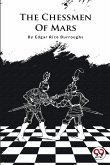

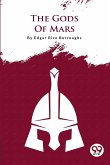

Jules Verne's 1869 novel Around the Moon, also known as Circling the Moon and All Around the Moon, is the follow-up to his 1865 book From the Earth to the Moon. The journey to the Moon, which was merely started in the first novel, is continued in this science fiction story. The two were occasionally merged in later English publications under the heading From the Earth to the Moon and Around It. The 1902 motion picture A Trip to the Moon was based on the books From the Earth to the Moon and Around the Moon. The massive Columbiad space gun fires the bullet-shaped projectile from the Baltimore Gun Club into space, along with its three occupants, Barbicane, Nicholl, and Michel Ardan, to begin the five-day voyage to the Moon. A small, brilliant asteroid flies by them within a few hundred yards a few minutes into the flight, but it avoids colliding with the projectile. The asteroid was dragged into the Earth's gravity and transformed into a second moon.
Jules Verne (February 8, 1828- March 24, 1905) was a French writer. He was one of the first authors to write science fiction. He was born in the city of Nantes, France. His father was a lawyer, and at the beginning, Verne wanted to study law as well. When he was nineteen, he started writing long pieces of literature, but his father wanted him to earn money as a lawyer, not as a writer. In 1847, his father sent him to Paris to start studying law. In 1848, Jules Verne, on a visit home, fell in love, but the girl's parents did not want her to marry him. Verne was depressed when he heard that the girl had been married to someone else - a rich, older man. In his stories, Jules Verne often writes about women married to people they do not love. He returned to Paris to find it on the verge of revolution: the French Revolution of 1848 deposed the king, and Louis-Napoléon Bonaparte was elected as the first president of the Republic of France. Verne continued to study law until 1851, but all the time he was writing and meeting with other authors and artists. Finally, in 1852, he decided to give up being a lawyer, and become a full-time professional writer instead. His father was very unhappy with this decision, but Verne was stubborn and strong-minded, so he went ahead with his plans. Verne went to Paris to try to find success. At first, he did not find any fame. Over time, he became a fan of science, while becoming well-known for his writing. His love of science and writing led him to write stories and novels that are now called "science fiction". Many people say Jules Verne was the creator of the science fiction genre.
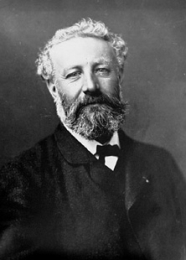
© privat