
Andere Kunden interessierten sich auch für
 Authority and Delinquency in the Modern State116,99 €
 Performing Judicial Authority in the Lower Courts76,99 €
 Training Manual on Detection and Investigation of Crimes in the Economy34,99 €
 Crisis of the Criminal Law in the Democratic Constitutional State123,99 €
 Power and Authority62,99 €
 Policing41,99 €
 The Western Codification of Criminal Law113,99 €

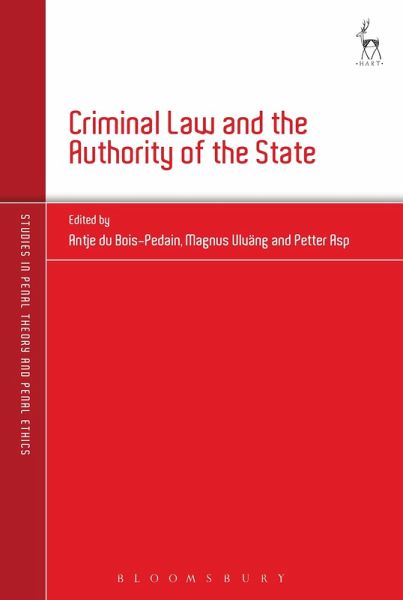
How does the state, as a public authority, relate to those under its jurisdiction through the criminal law? Connecting the ways in which criminal lawyers, legal theorists, public lawyers and criminologists address questions of the criminal law's legitimacy, contributors to this collection explore issues such as criminal law-making and jurisdiction; the political-ethical underpinnings of legitimate criminal law enforcement; the offence of treason; the importance of doctrinal guidance in the application of criminal law; the interface between tort and crime; and the purposes and mechanisms of state punishment. Overall, the collection aims to enhance and deepen our understanding of criminal law by conceiving of the practices of criminal justice as explicitly and distinctly embedded in the project of liberal self-governance.