

Andere Kunden interessierten sich auch für
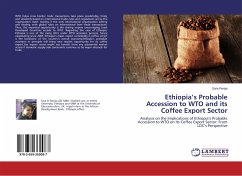
 Ethiopia's Probable Accession to WTO and its Coffee Export Sector27,99 €
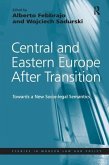
 Central and Eastern Europe After Transition178,99 €
 Changes In European Corporate Law - An Opportunity For Successful Post Merger Integration?59,99 €
 Agents of Opportunity72,99 €
 Compliance with the EU ETS27,95 €
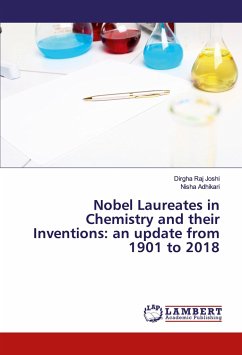
 Nobel Laureates in Chemistry and their Inventions: an update from 1901 to 201827,99 €
 English to Tamil machine translation system using parallel corpus55,99 €




European enlargement has been studied in a wide range of policy areas within and beyond health. Yet the impact of EU enlargement upon one of the largest health professions, nursing, has been largely neglected. We therefore explore the nurse leadership using a comparative case study method in two former Communist countries, Romania and Croatia, aiming to analyse the extent to which engagement in the EU accession policy-making process provided a policy window for the nurse leaders to formulate and implement a professional agenda while negotiating EU accession. An ethnographic design involving qualitative interviews and documentary analysis was adopted. Findings indicate that the mechanisms used to facilitate the accession process were not successful in achieving compliance with the education standards in the Community Acquis. Moreover, EU accession capacity building and accession funds were not deployed efficiently to upgrade nursing education towards meeting EU standards. Findingsindicate that the conflicting views on compliance held by the various nursing leaders inhibited the setting of a common policy agenda leading to successful policy outcomes.