
Andere Kunden interessierten sich auch für
 Global Investment Competitiveness Report 2017/201827,99 €
 Global Economic Prospects, June 201727,99 €
 Global Economic Prospects, January 201835,99 €
 Global Economic Prospects, January 201735,99 €
 Global Economic Prospects, June 201635,99 €
 On the Trail of Capital Flight from Africa37,99 €
 Global Financial Development Report 2015/201632,99 €
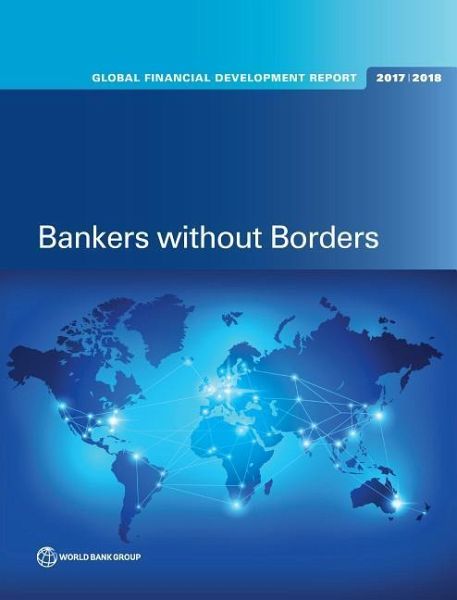
Brings to bear new evidence on the debate on the benefits and costs of international banks, particularly for developing countries. This report provides evidence-based policy guidance on a range of issues that developing countries face. It also tracks financial systems in more than 200 economies before and during the global financial crisis.