17,99 €
inkl. MwSt.
Versandkostenfrei*Erscheint vorauss. 19. Februar 2026
Melden Sie sich
hier
hier
für den Produktalarm an, um über die Verfügbarkeit des Produkts informiert zu werden.

9 °P sammeln
Andere Kunden interessierten sich auch für
") The Tragedy of Hoffman or a Revenge for a Father, 1631 (1913)13,99 €
The Tragedy of Hoffman or a Revenge for a Father, 1631 (1913)13,99 € The Revenge of John Pryor: True and Thrilling Story of the Life of a Noted North Georgian14,99 €
 The Bones of Time17,99 €
 Lectures On The History Of The Jewish Church V233,99 €
 Lectures On The History Of The Jewish Church V132,99 €
 Heidegger's silence and the secret of Jewish tragedy24,99 €
 The Ukraine Terror and the Jewish Peril14,99 €



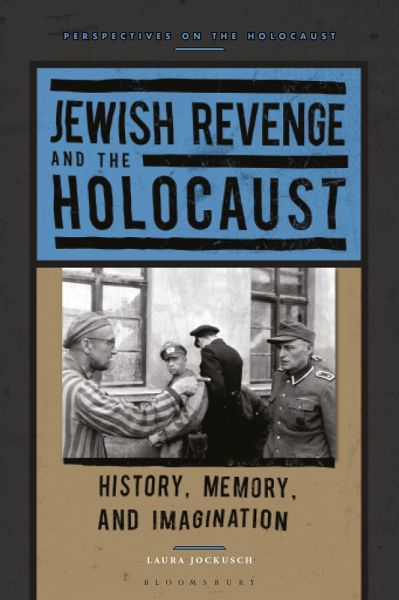
Revenge, argues award-winning author Laura Jockusch, was a ubiquitous coping reaction among European Jews during the Holocaust. It manifested as some acts of violence against Nazi perpetrators and their collaborators as well as revenge fantasies expressed in diaries, letters, last wills, wall inscriptions, songs, and poems. Jockusch reveals how Holocaust survivors-alongside other Europeans-continued this multifaceted engagement with revenge after their liberation from Nazi rule, though some survivors claimed in the decades that followed that revenge was absent among Jews. Jewish Revenge and the Holocaust examines the complexities of Jewish revenge during and after the Holocaust. It shows that, since revenge is a universal human response to atrocity and injustice, neither the claim that Jews were particularly vengeful (as Nazi perpetrators commonly held) nor the idea that Jews did not engage in revenge, are accurate. Rather, revenge had many expressions and it fulfilled various functions for the victims and survivors of the Holocaust: a last resort act in face of death; or a coping response in utter powerlessness and despair; or a means to confront and commemorate the traumatic past and to go on living after destruction and loss. Jockusch convincingly contends that, even if most survivors chose to forgo violent revenge for ethical reasons, they nevertheless engaged with the idea of vengeance. This book analyses that engagement and integrates revenge into the spectrum of Jewish responses to the Holocaust, placing it in the wider context of postwar retribution for Nazi crimes in the process.