

Andere Kunden interessierten sich auch für
 Naïve Art29,99 €
 Greenland in Art Emanuel A Petersen54,99 €
") The Noyes Collection Of Japanese Prints, Drawings, Etc. (1906)23,99 €
The Noyes Collection Of Japanese Prints, Drawings, Etc. (1906)23,99 €") The Van Eycks And Their Art (1912)34,99 €
The Van Eycks And Their Art (1912)34,99 € in Art Timeline") Roma (Gypsies) in Art Timeline82,99 €
Roma (Gypsies) in Art Timeline82,99 € The Ashgate Research Companion to Dutch Art of the Seventeenth Century169,99 €
") Ten O'Clock (1888)23,99 €
Ten O'Clock (1888)23,99 €
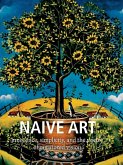


Naive art first became popular at the end of the nineteenth century. Until that time this form of expression, created by untrained artists and characterised by spontaneity and simplicity, enjoyed little recognition from professional artists and art critics. Influenced by primitive arts, naive painting is distinguished by the fluidity of its lines, vivacity, and joyful colours, as well as by its rather clean-cut, simple shapes. Naive art is represented by such artists as Henri Rousseau, Séraphine de Senlis, André Bauchant, and Camille Bombois. This movement has also found adherents abroad, including such prominent artists as Joan Miró, Guido Vedovato, Niko Pirosmani, and Ivan Generalic.