
Andere Kunden interessierten sich auch für
 The Insurrection in Dublin13,99 €
 A History Of The County Dublin30,99 €
 Dublin Moving East29,99 €
 Debates on the German Revolution of 1918-19118,99 €
 Turning Points of the Irish Revolution52,99 €
 The Dublin Lockout, 191368,99 €
 Labour V. Sinn Fein. the Dublin General Strike 1913/14 - The Lost Revolution17,99 €



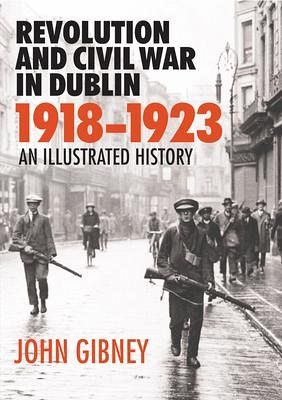
Dublin was one of the cockpits of the Irish revolution, and was the setting for some of the most iconic events of that era. But while images of the Easter Rising have become familiar, especially since its centenary, the same cannot be said of what came after. John Gibney's study makes use of a wide variety of contemporary documents and images, some of which have never been seen before, to explore the second half of the Irish revolution in Ireland's capital city. Beginning in the pivotal year of 1918, it chronicles events such as the conscription crisis, the First World War, the Spanish Flu pandemic, Home Rule, the first Dáil, the War of Independence, the Truce, the Treaty debates and the Civil War. All are vividly illuminated by the images assembled here. Alongside the photos and documents relating to political life and conflict are those that reveal other aspects of life in Dublin in this period: poverty, wealth, charity, leisure, sport, entertainment, public health, women's rights and the struggles of the labour movement. Lavishly illustrated, this book opens a unique window into the realities of life in Ireland's capital city from the end of the First World War to the aftermath of the Irish Civil War.