This follow-up book to Ursano et al.'s earlier title Individual and Community Responses to Trauma and Disaster expands the focus on terrorism. There is widespread belief among professionals that terrorism (and torture) produce the highest and most diffuse rates of psychiatric sequelae of all types of disaster. This book's international experts assess the lessons learned from the most recent atrocities. They look at prevention, individual and organizational intervention, the effect of leadership, and the effects of technological disasters and bioterrorism/contamination. Also available…mehr
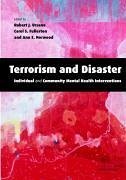
This follow-up book to Ursano et al.'s earlier title Individual and Community Responses to Trauma and Disaster expands the focus on terrorism. There is widespread belief among professionals that terrorism (and torture) produce the highest and most diffuse rates of psychiatric sequelae of all types of disaster. This book's international experts assess the lessons learned from the most recent atrocities. They look at prevention, individual and organizational intervention, the effect of leadership, and the effects of technological disasters and bioterrorism/contamination. Also available Individual and Community Responses to Trauma and Disaster 1994 0-521-41633-7 Hardback $135.00M 0-521-55643-0 Paperback $59.00M
Introduction: trauma, terrorism and disaster Carol S. Fullerton, Robert J. Ursano, Ann E. Norwood and Harry H. Holloway; Part I. Terrorism: National and International: 1. September 11, 2001, and its aftermath in New York City John M. Oldham; 2. Leadership in the wake of disaster Prudence Bushnell; 3. The children of Oklahoma City Betty Pfefferbaum; 4. Individual and organizational interventions after terrorism: September 11th and the USS Cole Thomas A. Grieger, Ralph E. Bally, John L. Lyszczarz, John S. Kennedy, Benjamin T. Griffeth and James J. Reeves; Part II. Interventions in Disaster and Terrorism: 5. Applications from previous disaster research to guide mental health interventions after September 11th Carol S. North and Elizabeth T. Westerhaus; 6. A consultation-liaison psychiatry approach to disaster/terrorism victim assessment and management James R. Rundell; 7. The role of screening in the prevention of psychological disorders arising after major traumas: pros and cons Simon Wessely; 8. Early interventions and the debriefing debate Beverley Raphael; 9. Clinical interventions for survivors of prolonged adversities Arieh Y. Shalev et al.; 10. Collaborative care for injured victims of individual and mass trauma: a health services research approach to developing early interventions Douglas Zatzick; Part III. The Intersection of Disasters and Terrorism: Effects of Contamination on Individuals: 11. Responses of individuals and groups to consequences of technological disasters and radiation exposure Lars Weisæth and Arnfinn Tønnessen; 12. Psychological effects of contamination: radioactivity, industrial toxins and bioterrorism Jacob D. Lindy, Mary C. Grace and Bonnie L. Green; 13. Relocation stress following catastrophic events Ellen T. Gerrity and Peter Steinglass; 14. Population-based health care: a model for restoring community health and productivity following terrorist attack Charles C. Engel, Ambereen Jaffer, Joyce Adkins, Vivian Sheliga, David Cowan and Wayne J. Katon; 15. Traumatic death in terrorism and disasters: the effects of posttraumatic stress and behavior Robert J. Ursano, James E. McCarroll and Carol S. Fullerton; 16. Conclusion: terrorism and disasters: prevention, intervention and recovery Robert J. Ursano, Carol S. Fullerton and Ann E. Norwood; Index.
Introduction: trauma, terrorism and disaster Carol S. Fullerton, Robert J. Ursano, Ann E. Norwood and Harry H. Holloway; Part I. Terrorism: National and International: 1. September 11, 2001, and its aftermath in New York City John M. Oldham; 2. Leadership in the wake of disaster Prudence Bushnell; 3. The children of Oklahoma City Betty Pfefferbaum; 4. Individual and organizational interventions after terrorism: September 11th and the USS Cole Thomas A. Grieger, Ralph E. Bally, John L. Lyszczarz, John S. Kennedy, Benjamin T. Griffeth and James J. Reeves; Part II. Interventions in Disaster and Terrorism: 5. Applications from previous disaster research to guide mental health interventions after September 11th Carol S. North and Elizabeth T. Westerhaus; 6. A consultation-liaison psychiatry approach to disaster/terrorism victim assessment and management James R. Rundell; 7. The role of screening in the prevention of psychological disorders arising after major traumas: pros and cons Simon Wessely; 8. Early interventions and the debriefing debate Beverley Raphael; 9. Clinical interventions for survivors of prolonged adversities Arieh Y. Shalev et al.; 10. Collaborative care for injured victims of individual and mass trauma: a health services research approach to developing early interventions Douglas Zatzick; Part III. The Intersection of Disasters and Terrorism: Effects of Contamination on Individuals: 11. Responses of individuals and groups to consequences of technological disasters and radiation exposure Lars Weisæth and Arnfinn Tønnessen; 12. Psychological effects of contamination: radioactivity, industrial toxins and bioterrorism Jacob D. Lindy, Mary C. Grace and Bonnie L. Green; 13. Relocation stress following catastrophic events Ellen T. Gerrity and Peter Steinglass; 14. Population-based health care: a model for restoring community health and productivity following terrorist attack Charles C. Engel, Ambereen Jaffer, Joyce Adkins, Vivian Sheliga, David Cowan and Wayne J. Katon; 15. Traumatic death in terrorism and disasters: the effects of posttraumatic stress and behavior Robert J. Ursano, James E. McCarroll and Carol S. Fullerton; 16. Conclusion: terrorism and disasters: prevention, intervention and recovery Robert J. Ursano, Carol S. Fullerton and Ann E. Norwood; Index.
Es gelten unsere Allgemeinen Geschäftsbedingungen: www.buecher.de/agb
Impressum
www.buecher.de ist ein Internetauftritt der buecher.de internetstores GmbH
Geschäftsführung: Monica Sawhney | Roland Kölbl | Günter Hilger
Sitz der Gesellschaft: Batheyer Straße 115 - 117, 58099 Hagen
Postanschrift: Bürgermeister-Wegele-Str. 12, 86167 Augsburg
Amtsgericht Hagen HRB 13257
Steuernummer: 321/5800/1497
USt-IdNr: DE450055826