- Broschiertes Buch
- Merkliste
- Auf die Merkliste
- Bewerten Bewerten
- Teilen
- Produkt teilen
- Produkterinnerung
- Produkterinnerung
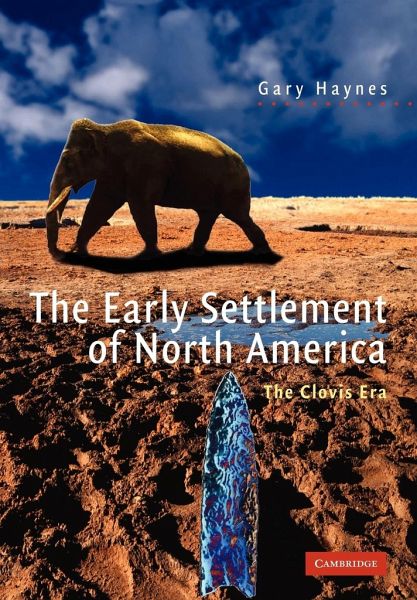
Haynes uses extensive data to provide a compelling new integrated theory on the Clovis era.
Andere Kunden interessierten sich auch für
Peter ForceTracts and Other Papers Relating Principally to the Origin, Settlement and Progress of the Colonies in North America40,99 €
Henry ScaddingToronto of Old Collections and recollections illustrative of the early settlement and social life of the capital of Ontario26,99 €
Kenneth A. LockridgeSettlement and Unsettlement in Early America24,99 €
UnknownPrehistoric Settlement Patterns in the New World99,99 €
Terence ArmstrongRussian Settlement in the North42,99 €
Albert GallatinA Synopsis of the Indian Tribes Within the United States East of the Rocky Mountains, and in the British and Russian Possessions in North America80,99 €
Israel Ward AndrewsWashington County and the Early Settlement of Ohio16,99 €-
-
-
Haynes uses extensive data to provide a compelling new integrated theory on the Clovis era.
Produktdetails
- Produktdetails
- Verlag: Cambridge University Press
- Seitenzahl: 360
- Erscheinungstermin: 28. April 2009
- Englisch
- Abmessung: 244mm x 170mm x 19mm
- Gewicht: 621g
- ISBN-13: 9780521524636
- ISBN-10: 0521524636
- Artikelnr.: 21229094
- Herstellerkennzeichnung
- Libri GmbH
- Europaallee 1
- 36244 Bad Hersfeld
- gpsr@libri.de
- Verlag: Cambridge University Press
- Seitenzahl: 360
- Erscheinungstermin: 28. April 2009
- Englisch
- Abmessung: 244mm x 170mm x 19mm
- Gewicht: 621g
- ISBN-13: 9780521524636
- ISBN-10: 0521524636
- Artikelnr.: 21229094
- Herstellerkennzeichnung
- Libri GmbH
- Europaallee 1
- 36244 Bad Hersfeld
- gpsr@libri.de
Gary Haynes is Foundation Professor of Anthropology at the University of Nevada, Reno. For eight years (2003-2011) he was President of the Commission on Palaeoecology and Human Evolution in INQUA (the International Union for Quaternary Research). He has done fieldwork research on free-roaming elephants in southern Africa for over 30 years, and has also specialized in the study of earliest American Paleoindian cultures. Current research is focused on Zimbabwean prehistory and paleoenvironments.
Part I. Fluted Points and the Peopling of the Americas: 1.1. Introduction;
1.2. Fin de siècle paradigm-busting, or what's at stake in the debate about
the colonizing of North America?; 1.3. How do archaeologists address the
big unanswered questions about Fluted-Point-Makers?; Part II. What is
Clovis? The Archaeological Record: 2.1. Introduction; 2.2. Clovis
archaeological footprints, region by region; 2.3. Knowledge and guesswork
about the late Pleistocene; 2.4. Defining Clovis: is it a culture? 2.5. The
course of regional developments: the megamammal connection; Part III.
Clovis Archaeological Culture: 3.1. Introduction; 3.2. Clovis-era
technology; 3.3. Clovis-era megamammal bone-breakage; 3.4. Clovis-era
artwork, decorative work, 'symbolic' objects; Part IV. The Old and New
World Patterns Compared: 4.1. Dispersals and diffusions: old world Upper
Paleolithic and new world Clovis; 4.2. The American Upper Paleolithic; Part
V. Figures in the Landscape: Foraging in the Clovis Era: 5.1. Introduction;
5.2. Archaeological evidence about hunting and gathering in megamammal
landscapes; 5.3. Why hunt megamammals? Why not hunt megamammals?
Conclusions from Part V. Figures in the Landscapes: Part VI. Colonizing
Foragers: 6.1. Introduction; 6.2. Colonization theory. Conclusions from
Part VI: Complexity in Clovis dispersals; Part VII. Unified Conclusions
about the Clovis Era: 7.1. Introduction; 7.2. The end.

1.2. Fin de siècle paradigm-busting, or what's at stake in the debate about
the colonizing of North America?; 1.3. How do archaeologists address the
big unanswered questions about Fluted-Point-Makers?; Part II. What is
Clovis? The Archaeological Record: 2.1. Introduction; 2.2. Clovis
archaeological footprints, region by region; 2.3. Knowledge and guesswork
about the late Pleistocene; 2.4. Defining Clovis: is it a culture? 2.5. The
course of regional developments: the megamammal connection; Part III.
Clovis Archaeological Culture: 3.1. Introduction; 3.2. Clovis-era
technology; 3.3. Clovis-era megamammal bone-breakage; 3.4. Clovis-era
artwork, decorative work, 'symbolic' objects; Part IV. The Old and New
World Patterns Compared: 4.1. Dispersals and diffusions: old world Upper
Paleolithic and new world Clovis; 4.2. The American Upper Paleolithic; Part
V. Figures in the Landscape: Foraging in the Clovis Era: 5.1. Introduction;
5.2. Archaeological evidence about hunting and gathering in megamammal
landscapes; 5.3. Why hunt megamammals? Why not hunt megamammals?
Conclusions from Part V. Figures in the Landscapes: Part VI. Colonizing
Foragers: 6.1. Introduction; 6.2. Colonization theory. Conclusions from
Part VI: Complexity in Clovis dispersals; Part VII. Unified Conclusions
about the Clovis Era: 7.1. Introduction; 7.2. The end.
Part I. Fluted Points and the Peopling of the Americas: 1.1. Introduction;
1.2. Fin de siècle paradigm-busting, or what's at stake in the debate about
the colonizing of North America?; 1.3. How do archaeologists address the
big unanswered questions about Fluted-Point-Makers?; Part II. What is
Clovis? The Archaeological Record: 2.1. Introduction; 2.2. Clovis
archaeological footprints, region by region; 2.3. Knowledge and guesswork
about the late Pleistocene; 2.4. Defining Clovis: is it a culture? 2.5. The
course of regional developments: the megamammal connection; Part III.
Clovis Archaeological Culture: 3.1. Introduction; 3.2. Clovis-era
technology; 3.3. Clovis-era megamammal bone-breakage; 3.4. Clovis-era
artwork, decorative work, 'symbolic' objects; Part IV. The Old and New
World Patterns Compared: 4.1. Dispersals and diffusions: old world Upper
Paleolithic and new world Clovis; 4.2. The American Upper Paleolithic; Part
V. Figures in the Landscape: Foraging in the Clovis Era: 5.1. Introduction;
5.2. Archaeological evidence about hunting and gathering in megamammal
landscapes; 5.3. Why hunt megamammals? Why not hunt megamammals?
Conclusions from Part V. Figures in the Landscapes: Part VI. Colonizing
Foragers: 6.1. Introduction; 6.2. Colonization theory. Conclusions from
Part VI: Complexity in Clovis dispersals; Part VII. Unified Conclusions
about the Clovis Era: 7.1. Introduction; 7.2. The end.
1.2. Fin de siècle paradigm-busting, or what's at stake in the debate about
the colonizing of North America?; 1.3. How do archaeologists address the
big unanswered questions about Fluted-Point-Makers?; Part II. What is
Clovis? The Archaeological Record: 2.1. Introduction; 2.2. Clovis
archaeological footprints, region by region; 2.3. Knowledge and guesswork
about the late Pleistocene; 2.4. Defining Clovis: is it a culture? 2.5. The
course of regional developments: the megamammal connection; Part III.
Clovis Archaeological Culture: 3.1. Introduction; 3.2. Clovis-era
technology; 3.3. Clovis-era megamammal bone-breakage; 3.4. Clovis-era
artwork, decorative work, 'symbolic' objects; Part IV. The Old and New
World Patterns Compared: 4.1. Dispersals and diffusions: old world Upper
Paleolithic and new world Clovis; 4.2. The American Upper Paleolithic; Part
V. Figures in the Landscape: Foraging in the Clovis Era: 5.1. Introduction;
5.2. Archaeological evidence about hunting and gathering in megamammal
landscapes; 5.3. Why hunt megamammals? Why not hunt megamammals?
Conclusions from Part V. Figures in the Landscapes: Part VI. Colonizing
Foragers: 6.1. Introduction; 6.2. Colonization theory. Conclusions from
Part VI: Complexity in Clovis dispersals; Part VII. Unified Conclusions
about the Clovis Era: 7.1. Introduction; 7.2. The end.