
Andere Kunden interessierten sich auch für
 The Neolithic Cemetery at Tell el-Kerkh92,99 €
") The Neolithic Settlement of Aknashen (Ararat valley, Armenia)73,99 €
The Neolithic Settlement of Aknashen (Ararat valley, Armenia)73,99 € Hunting and Fishing in the Neolithic and Eneolithic56,99 €
 Demography and Migration Population trajectories from the Neolithic to the Iron Age52,99 €
 Plant Food Processing Tools at Early Neolithic Gobekli Tepe58,99 €
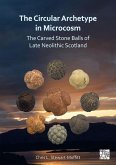
 The Circular Archetype in Microcosm: The Carved Stone Balls of Late Neolithic Scotland68,99 €
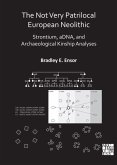
 The Not Very Patrilocal European Neolithic56,99 €


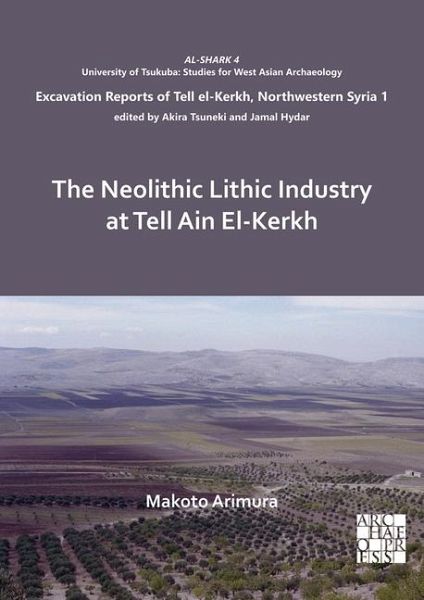
This book presents the first attempt to unveil the Neolithisation process in northwest Syria, with the techno-typological studies of the flintstone implements from Tell Ain el-Kerkh in the Rouj basin in Idlib, an important large Neolithic site occupied from the from the 9th to the 7th millennium BC.