Andere Kunden interessierten sich auch für
 The Ordeal A Mountain Romance Of Tennessee12,99 €
 The Mountain School-Teacher12,99 €
 The Twins Of Table Mountain And Other Stories13,99 €
 Woman's Work in Tennessee. Contains a History of the Tennessee Federation of Women's Clubs, Mountain Settlement Work, Civil Service Reform, Prison Ref23,99 €
 The Clan of Near the Mountain People18,99 €
 Marble Mountain23,99 €
 Skippy Bedelle His Sentimental Progress From The Urchin To The Complete Man Of The World15,99 €






The old man of the mountain, the lovecharm, and Pietro of Abano presents a layered exploration of human ambition, suspicion, and the eerie influence of unseen forces. Using folklore as a foundation, the book merges moral questioning with mysticism and fear. The figure at the center, an isolated individual of immense wealth, becomes a study in how solitude and influence distort the human spirit. Interactions with subordinates and sudden disappearances hint at a toxic undercurrent of mistrust and concealed betrayal. Meanwhile, villagers whisper that the riches may be tied to something otherworldly. These suspicions reflect a wider cultural unease, where fear and tradition shape perception. The tales unfold not through grand external events, but through interior reckonings and the slow unraveling of characters burdened by secrecy and desire. The tension between the rational and the supernatural drives each story, suggesting that misfortune often emerges from within rather than beyond. As strange happenings intertwine with the moral failures of the people involved, the stories offer more than simple narrative they evoke the psychological weight of hidden truths and the cost of unchecked longing.
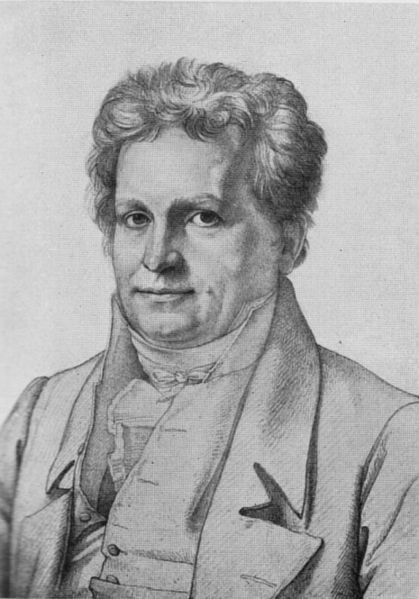
Johann Ludwig Tieck was born on May 31, 1773, in Berlin to Johann Ludwig Tieck and Anna Sophie Tieck. He became a central figure in the rise of German Romanticism, shaping its literary direction through his prolific work as a poet, novelist, translator, and critic. Educated in theology and classical literature, Tieck later gravitated toward literature and philosophy, developing close associations with key thinkers of the Romantic period. His early exposure to Shakespeare and medieval legends informed much of his later writing, where he merged folklore, the supernatural, and deep psychological insight. He married Amalie Tieck in 1798. Tieck translated works from English, including Shakespeare, enhancing German appreciation of foreign literature. He also published critical essays that reflected his complex literary tastes and influenced other writers. In the later years of his life, he served at the court in Dresden before returning to Berlin, where he died on April 28, 1853. Tieck's legacy remains integral to the foundation of Romantic literature, and his imaginative works continue to reflect the tensions of reason, myth, and artistic longing that defined his era.