
Andere Kunden interessierten sich auch für
 Coalition Politics and Hindu Nationalism42,99 €
 The Challenge of Coalition Government44,99 €
 Intra-Party Politics and Coalition Governments59,99 €
 Coalition Government as a Reflection of a Nation's Politics and Society56,99 €
 Japan's Relations with North Korea and the Recalibration of Risk60,99 €
 The Failure of Socialism in South Korea63,99 €
 Visual Politics and North Korea46,99 €
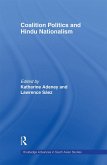

Examines how the dynamics of inter-party and intra-party coalition-building have affected governability in post-authoritarian South Korea. The main contention being that a weak institutionalisation of both the ruling party and the party system accounts for political instability and the lack of strong governability in South Korea.