
Andere Kunden interessierten sich auch für
 Reimagining a More Perfect Union20,99 €
 A More Perfect Union10,99 €
 A More Perfect Democracy22,99 €
 A More Perfect Democracy20,99 €
 Journal Of The Proceedings Of The Convention To Form A Constitution For The Government Of The State Of New Jersey; Begun At Trenton On The Fourteenth Day Of May, A. D. 1844, And Continued To The Twenty-Ninth Day Of June, A. D. 184422,99 €
") James Madison's Notes Of Debates In The Federal Convention Of 1787 And Their Relation To A More Perfect Society Of Nations (1918)24,99 €
James Madison's Notes Of Debates In The Federal Convention Of 1787 And Their Relation To A More Perfect Society Of Nations (1918)24,99 € PERFECT IMBALANCE60,99 €




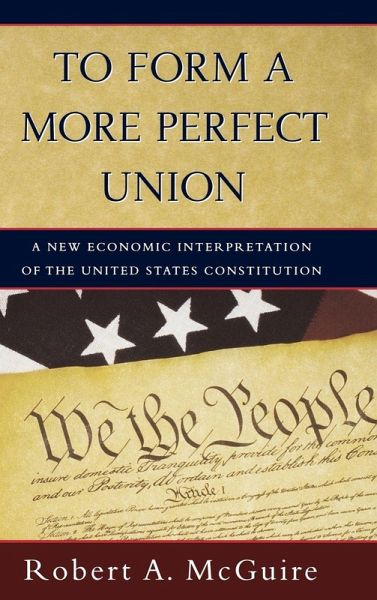
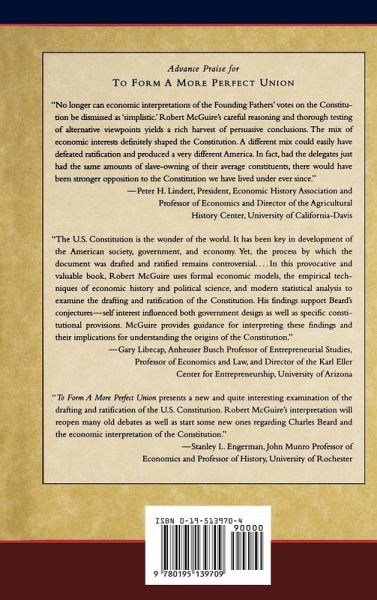
This is a quantitative reexamination of the behavior of the Founding Fathers during the creation of the United States' Constitution. It employs cliometric analysis, formal economic analysis, and modern statistical techniques, to explain the choices the founders made during the drafting and ratification of the Constitution. These include: What form of government did the founders intend for the Constitution? What factors motivated them to adopt particular clauses in the Constitution? What factors led them to ratify the Constitution? The author argues that the findings challenge the prevailing interpretation of the formation of the Constitution.