
Andere Kunden interessierten sich auch für
 Prospecting, Locating and Valuing Mines24,99 €
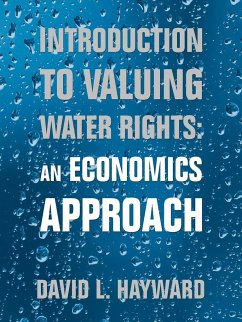
 Introduction to Valuing Water Rights132,99 €
 Valuing the Environment36,99 €
 Valuing Climate Change56,99 €
 Valuing Freedoms85,99 €
 Global Campaigning Initiatives for Socio-Economic Development141,99 €
 African Countries and the Global Scramble for China56,99 €


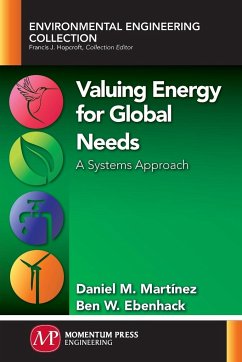
Uses the tools of Systems Analysis to plan for the eventual transition to Sustainable Energy. This title covers Energy Planning for both Developed and Underdeveloped nations, using LEAP, the Long-Range Energy Alternatives Planning Tool.
A more sustainable future will call on us to make deliberate and informed energy choices. Thus, the aim of this text is to provide readers with a foundation to evaluate 21st century energy options as clearly and as objectively as possible. Bringing to light engineering, environmental, and sustainable development perspectives, the authors discuss, in layman's terms, the value we get from energy systems--both positive and negative. In particular, the authors emphasize the need to consider the tremendous benefits that have been received through the use of modern energy systems, which have been dominated by the exploitation of nonrenewable fossil and nuclear fuels. They argue that these benefits must be extended to impoverished nations and future energy choices must include a judicious mix of alternative energy sources, coupled with best practices and conservation principles, eliminating the dirtiest of the fuels.
A more sustainable future will call on us to make deliberate and informed energy choices. Thus, the aim of this text is to provide readers with a foundation to evaluate 21st century energy options as clearly and as objectively as possible. Bringing to light engineering, environmental, and sustainable development perspectives, the authors discuss, in layman's terms, the value we get from energy systems--both positive and negative. In particular, the authors emphasize the need to consider the tremendous benefits that have been received through the use of modern energy systems, which have been dominated by the exploitation of nonrenewable fossil and nuclear fuels. They argue that these benefits must be extended to impoverished nations and future energy choices must include a judicious mix of alternative energy sources, coupled with best practices and conservation principles, eliminating the dirtiest of the fuels.