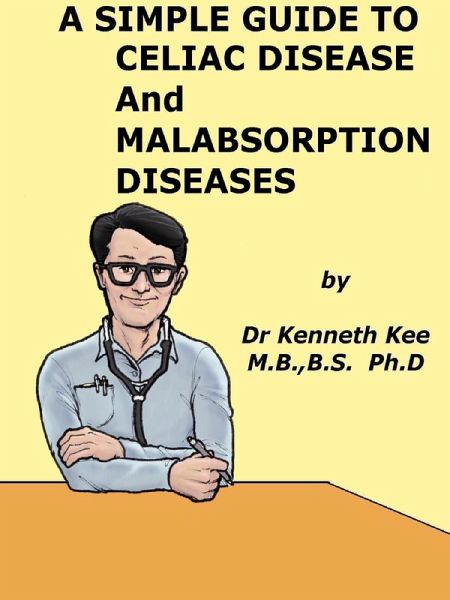
2,99 €
2,99 €
inkl. MwSt.
Sofort per Download lieferbar

0 °P sammeln
2,99 €
Als Download kaufen
2,99 €
inkl. MwSt.
Sofort per Download lieferbar
0 °P sammeln
Jetzt verschenken
Alle Infos zum eBook verschenken
2,99 €
inkl. MwSt.
Sofort per Download lieferbar
Alle Infos zum eBook verschenken
0 °P sammeln

Andere Kunden interessierten sich auch für
") Iodine Deficiency, A Simple Guide to the Condition, Treatment and Related Diseases (eBook, ePUB)2,99 €
Iodine Deficiency, A Simple Guide to the Condition, Treatment and Related Diseases (eBook, ePUB)2,99 € (eBook, ePUB)") A Simple Guide to Cushing's Syndrome and Related Conditions (A Simple Guide to Medical Conditions, #50) (eBook, ePUB)2,99 €
A Simple Guide to Cushing's Syndrome and Related Conditions (A Simple Guide to Medical Conditions, #50) (eBook, ePUB)2,99 € (eBook, ePUB)") A Simple Guide to Parathyroid Diseases and Calcium (A Simple Guide to Medical Conditions, #45) (eBook, ePUB)2,99 €
A Simple Guide to Parathyroid Diseases and Calcium (A Simple Guide to Medical Conditions, #45) (eBook, ePUB)2,99 €") The Digestive Involvement in Systemic Autoimmune Diseases (eBook, ePUB)113,95 €
The Digestive Involvement in Systemic Autoimmune Diseases (eBook, ePUB)113,95 €") Lactose Intolerance, A Simple Guide To The Condition, Diagnosis, Treatment And Related Conditions (eBook, ePUB)2,99 €
Lactose Intolerance, A Simple Guide To The Condition, Diagnosis, Treatment And Related Conditions (eBook, ePUB)2,99 €") Intestinal Parasitic Diseases, A Simple Guide to These Conditions (eBook, ePUB)2,99 €
Intestinal Parasitic Diseases, A Simple Guide to These Conditions (eBook, ePUB)2,99 €") Roundworm Infections, A Simple Guide To The Condition, Treatment And Related Conditions (eBook, ePUB)2,99 €
Roundworm Infections, A Simple Guide To The Condition, Treatment And Related Conditions (eBook, ePUB)2,99 €



What is Malabsorption syndrome?
Malabsorption syndrome is a disease resulting from impaired intestinal absorption of nutrients.
What are the causes of Malabsorption syndrome?
Malabsorption syndrome is usually caused by the following:
A. Intraluminal defects
1. Pancreatic enzymes or bile salt deficiencies
2. Gastric or intestinal resection as a result of cancer or obstruction
3. Bacterial overgrowth in the intestine resulting in less nutrient absorption
4. Acid hypersecretion (Zollinger-Ellison) syndrome
B. Intestinal Mucosal Defects
1. Tropical or non tropical sprue characterized by abnormalities of the intestinal villi resulting in poor absorption of food
2. Parasitic disease of the intestinal such as tape-worms which feeds through the mucosa of the intestine
3. Tuberculosis of the intestine can cause damage to inner lining of intestine impeding absorption of food
4. Chemotherapy, drug abuse, radiation can damage the mucosa of the intestines
C. Intestinal lymphatic abnormalities
1. Lymphanigiectasia
2. Congestive heart failure
3. Constrictive pericarditis
What are the symptoms of Malabsorption syndrome?
A person who has Malabsorption syndrome has the following symptoms:
1. Weight loss
2. Anorexia or loss of appetite
3. Abdominal distension and bloating
4. Muscle wasting
5. Steatorrhea (pale bulky frothy stools) usually frequent
Signs:
1. Vitamin deficiency especially vitamin B12 and K and folic acid
2. Mineral deficiencies and anemia
How is the Diagnosis of Malabsorption syndrome made?
Diagnosis can usually be made by:
1. History of weight loss
2. Steatorrhea - measurement of fecal fat is low
3. D-xylose test is abnormal indicating poor carbohydrate absorption
4. Pancreatic function tests by duodenal aspiration
5. Tests for bacterial overgrowth such as:
a. bile acid breath test
b. jejunal cultures
c. urinary tryptophan metabolites
6. Intestinal biopsy
What is the treatment of Malabsorption syndrome?
Treatment depends on the cause:
Non-medicinal:
1. Intravenous fluids, electrolytes, minerals, vitamins
2. Intravenous nutrients and feeding
3. Gluten free diet
4. Restriction of dietary fat
5. Medium chain triglycerides
6. Lactose free diet
Medicinal:
1. Symptomatic treatment of abdominal pain (anticholinrgics) and diarrhea (Imodium)
2. Pancreatic enzymes for pancreatic deficiency
3. Folic acid, vitamins and minerals replacements
4. Antibiotics and antiparasitics for intestinal infections
What is the prognosis of Malabsorption syndrome?
Prognosis depends on the underlying cause.
Most patients usually recover if appropriately treated
Recurrence is quite common.
What are the preventive measures for Malabsorption syndrome?
Avoid Chemotherapy and drugs which affect the mucosa of the intestine
Avoid food in the tropics
Avoid gastritis or excessive acid in the stomach
TABLE OF CONTENT
Chapter 1 Malabsorption
Chapter 2 Celiac Disease
Chapter 3 Crohn's Disease
Chapter 4 Giardiasis
Chapter 5 Pancreatic Cancer
Chapter 6 , Tropical Sprue
Malabsorption syndrome is a disease resulting from impaired intestinal absorption of nutrients.
What are the causes of Malabsorption syndrome?
Malabsorption syndrome is usually caused by the following:
A. Intraluminal defects
1. Pancreatic enzymes or bile salt deficiencies
2. Gastric or intestinal resection as a result of cancer or obstruction
3. Bacterial overgrowth in the intestine resulting in less nutrient absorption
4. Acid hypersecretion (Zollinger-Ellison) syndrome
B. Intestinal Mucosal Defects
1. Tropical or non tropical sprue characterized by abnormalities of the intestinal villi resulting in poor absorption of food
2. Parasitic disease of the intestinal such as tape-worms which feeds through the mucosa of the intestine
3. Tuberculosis of the intestine can cause damage to inner lining of intestine impeding absorption of food
4. Chemotherapy, drug abuse, radiation can damage the mucosa of the intestines
C. Intestinal lymphatic abnormalities
1. Lymphanigiectasia
2. Congestive heart failure
3. Constrictive pericarditis
What are the symptoms of Malabsorption syndrome?
A person who has Malabsorption syndrome has the following symptoms:
1. Weight loss
2. Anorexia or loss of appetite
3. Abdominal distension and bloating
4. Muscle wasting
5. Steatorrhea (pale bulky frothy stools) usually frequent
Signs:
1. Vitamin deficiency especially vitamin B12 and K and folic acid
2. Mineral deficiencies and anemia
How is the Diagnosis of Malabsorption syndrome made?
Diagnosis can usually be made by:
1. History of weight loss
2. Steatorrhea - measurement of fecal fat is low
3. D-xylose test is abnormal indicating poor carbohydrate absorption
4. Pancreatic function tests by duodenal aspiration
5. Tests for bacterial overgrowth such as:
a. bile acid breath test
b. jejunal cultures
c. urinary tryptophan metabolites
6. Intestinal biopsy
What is the treatment of Malabsorption syndrome?
Treatment depends on the cause:
Non-medicinal:
1. Intravenous fluids, electrolytes, minerals, vitamins
2. Intravenous nutrients and feeding
3. Gluten free diet
4. Restriction of dietary fat
5. Medium chain triglycerides
6. Lactose free diet
Medicinal:
1. Symptomatic treatment of abdominal pain (anticholinrgics) and diarrhea (Imodium)
2. Pancreatic enzymes for pancreatic deficiency
3. Folic acid, vitamins and minerals replacements
4. Antibiotics and antiparasitics for intestinal infections
What is the prognosis of Malabsorption syndrome?
Prognosis depends on the underlying cause.
Most patients usually recover if appropriately treated
Recurrence is quite common.
What are the preventive measures for Malabsorption syndrome?
Avoid Chemotherapy and drugs which affect the mucosa of the intestine
Avoid food in the tropics
Avoid gastritis or excessive acid in the stomach
TABLE OF CONTENT
Chapter 1 Malabsorption
Chapter 2 Celiac Disease
Chapter 3 Crohn's Disease
Chapter 4 Giardiasis
Chapter 5 Pancreatic Cancer
Chapter 6 , Tropical Sprue
Dieser Download kann aus rechtlichen Gründen nur mit Rechnungsadresse in A, B, CY, CZ, D, DK, EW, E, FIN, F, GR, H, IRL, I, LT, L, LR, M, NL, PL, P, R, S, SLO, SK ausgeliefert werden.