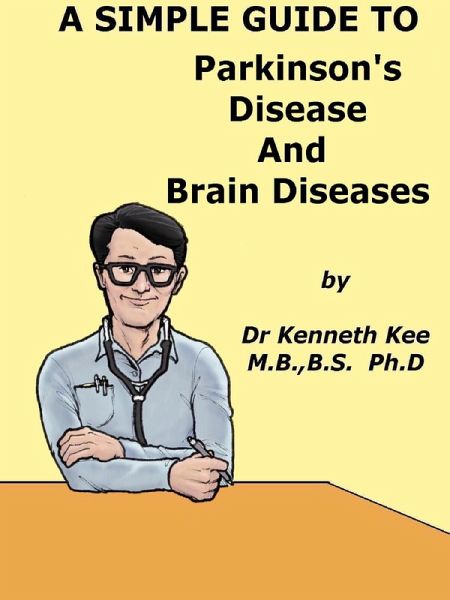
2,99 €
2,99 €
inkl. MwSt.
Sofort per Download lieferbar

0 °P sammeln
2,99 €
Als Download kaufen
2,99 €
inkl. MwSt.
Sofort per Download lieferbar
0 °P sammeln
Jetzt verschenken
Alle Infos zum eBook verschenken
2,99 €
inkl. MwSt.
Sofort per Download lieferbar
Alle Infos zum eBook verschenken
0 °P sammeln

Andere Kunden interessierten sich auch für
 (eBook, ePUB)") A Simple Guide to Hand Tremors, Related Diseases and Use in Disease Diagnosis (A Simple Guide to Medical Conditions, #41) (eBook, ePUB)2,99 €
A Simple Guide to Hand Tremors, Related Diseases and Use in Disease Diagnosis (A Simple Guide to Medical Conditions, #41) (eBook, ePUB)2,99 € (eBook, ePUB)") A Simple Guide to Neuralgia and Related Nerve Disorders (A Simple Guide to Medical Conditions, #37) (eBook, ePUB)2,99 €
A Simple Guide to Neuralgia and Related Nerve Disorders (A Simple Guide to Medical Conditions, #37) (eBook, ePUB)2,99 € (eBook, ePUB)") A Simple Guide to Restless Leg Syndrome and Related Diseases (A Simple Guide to Medical Conditions, #52) (eBook, ePUB)2,99 €
A Simple Guide to Restless Leg Syndrome and Related Diseases (A Simple Guide to Medical Conditions, #52) (eBook, ePUB)2,99 € (eBook, ePUB)") A Simple Guide to Muscle Dystrophy Disease and Related Conditions (A Simple Guide to Medical Conditions, #49) (eBook, ePUB)2,99 €
A Simple Guide to Muscle Dystrophy Disease and Related Conditions (A Simple Guide to Medical Conditions, #49) (eBook, ePUB)2,99 € A Simple Guide To The Condition, Diagnosis, Treatment And Related Conditions (eBook, ePUB)") Hydrocephalus, (Fluid in Brain) A Simple Guide To The Condition, Diagnosis, Treatment And Related Conditions (eBook, ePUB)2,99 €
Hydrocephalus, (Fluid in Brain) A Simple Guide To The Condition, Diagnosis, Treatment And Related Conditions (eBook, ePUB)2,99 € (eBook, ePUB)") A Simple Guide to The Posture, Spine Diseases and Use in Disease Diagnosis (A Simple Guide to Medical Conditions, #42) (eBook, ePUB)2,99 €
A Simple Guide to The Posture, Spine Diseases and Use in Disease Diagnosis (A Simple Guide to Medical Conditions, #42) (eBook, ePUB)2,99 € (eBook, ePUB)") A Simple Guide to Skin Polyp and Other Polyps (A Simple Guide to Medical Conditions, #2) (eBook, ePUB)2,99 €
A Simple Guide to Skin Polyp and Other Polyps (A Simple Guide to Medical Conditions, #2) (eBook, ePUB)2,99 €


Brain Diseases
The brain is the control center of the body. It controls thoughts, memory, speech and movement. It regulates the function of many organs. When the brain is healthy, it works quickly and automatically. However, when problems occur, the results can be devastating.
What are Brain Diseases?
1. Infections of the brain lead to problems such as vision loss, weakness and paralysis.
2. Ischemia of the brain leads to loss of brain cells, which happens if you suffer a stroke, can affect your ability to think clearly
3. Brain tumors also press on nerves and affect brain function.
4. Some brain diseases are hereditary - neurogenetic diseases, e.g. Huntington's disease and muscular dystrophy
5. developmental disorders, e.g. cerebral palsy;
6. Degenerative brain diseases, such as Parkinson's Disease.
7. trauma, e.g. spinal cords and heads injury;
8. convulsive disorders, e.g. epilepsy;
The symptoms of brain diseases vary widely depending on the specific problem.
In some cases, damage is permanent.
In other cases, treatments such as surgery, medicines or physical therapy can correct the source of the problem or improve symptoms.
The best diagnosis of brain diseases is by an MRI of the brain.
Treatment include :
1.Surgery to stop bleeding in subarachnoid hemorrhage, a burst aneurysm in the brain blood vessels
2.Surgical removal of small brain tumors
3. radiation therapy for treatment of larger tumors
4. Medications for seizures, Parkinson, infections
5. blood thinners for blood clot in brain
Parkinson's Disease
What is Parkinson's Disease?
Parkinson's Disease is a disorder of old age characterized by slow movement , rest tremors , rigidity and poor coordination.
Who gets Parkinson's Disease?
Parkinson's Disease usually after the age of 50 years.
Incidence is about 0.2% of population.
It is one of the most common neurologic disorders of the elderly.
It affects both men and women.
What causes Parkinson's Disease?
Parkinson's Disease results when the nerve cells in the part of the brain that controls muscle movement are gradually destroyed.
Nerve cells use a brain chemical called dopamine to help send signals back and forth. Damage in the area of the brain that controls muscle movement causes a decrease in dopamine production.
Low dopamine affects the balance between nerve-signaling substances (transmitters). As a result, the nerve cells cannot properly send messages. This results in the loss of muscle function.
What are the symptoms of Parkinson's Disease?
Early symptoms may be nonspecific and my include numbness, painful and tender muscles, stiffness and weakness of limbs, fatigue and unexplained weight loss.
As the disease progresses, the classical features of Parkinson's Disease appear:
1. Bradykinesia (slowness of movement)
2. Leadpipe rigidity
3. Rest tremors
4. Postural instability
TABLE OF CONTENT
Chapter 1 Brain Diseases
Chapter 2 Parkinson's Disease
Chapter 3 Cerebral Palsy
Chapter 4 Huntingdon's Chorea
Chapter 5 Encephalitis
Chapter 6 Epilepsy
Chapter 7 Subarachnoid Hemorrhage
Chapter 8 Brain Aneurysm
Chapter 9 Brain Cancer
Chapter 10 Normal Pressure Hydrocephalus
Chapter 12 Head Injury
Epilogue
The brain is the control center of the body. It controls thoughts, memory, speech and movement. It regulates the function of many organs. When the brain is healthy, it works quickly and automatically. However, when problems occur, the results can be devastating.
What are Brain Diseases?
1. Infections of the brain lead to problems such as vision loss, weakness and paralysis.
2. Ischemia of the brain leads to loss of brain cells, which happens if you suffer a stroke, can affect your ability to think clearly
3. Brain tumors also press on nerves and affect brain function.
4. Some brain diseases are hereditary - neurogenetic diseases, e.g. Huntington's disease and muscular dystrophy
5. developmental disorders, e.g. cerebral palsy;
6. Degenerative brain diseases, such as Parkinson's Disease.
7. trauma, e.g. spinal cords and heads injury;
8. convulsive disorders, e.g. epilepsy;
The symptoms of brain diseases vary widely depending on the specific problem.
In some cases, damage is permanent.
In other cases, treatments such as surgery, medicines or physical therapy can correct the source of the problem or improve symptoms.
The best diagnosis of brain diseases is by an MRI of the brain.
Treatment include :
1.Surgery to stop bleeding in subarachnoid hemorrhage, a burst aneurysm in the brain blood vessels
2.Surgical removal of small brain tumors
3. radiation therapy for treatment of larger tumors
4. Medications for seizures, Parkinson, infections
5. blood thinners for blood clot in brain
Parkinson's Disease
What is Parkinson's Disease?
Parkinson's Disease is a disorder of old age characterized by slow movement , rest tremors , rigidity and poor coordination.
Who gets Parkinson's Disease?
Parkinson's Disease usually after the age of 50 years.
Incidence is about 0.2% of population.
It is one of the most common neurologic disorders of the elderly.
It affects both men and women.
What causes Parkinson's Disease?
Parkinson's Disease results when the nerve cells in the part of the brain that controls muscle movement are gradually destroyed.
Nerve cells use a brain chemical called dopamine to help send signals back and forth. Damage in the area of the brain that controls muscle movement causes a decrease in dopamine production.
Low dopamine affects the balance between nerve-signaling substances (transmitters). As a result, the nerve cells cannot properly send messages. This results in the loss of muscle function.
What are the symptoms of Parkinson's Disease?
Early symptoms may be nonspecific and my include numbness, painful and tender muscles, stiffness and weakness of limbs, fatigue and unexplained weight loss.
As the disease progresses, the classical features of Parkinson's Disease appear:
1. Bradykinesia (slowness of movement)
2. Leadpipe rigidity
3. Rest tremors
4. Postural instability
TABLE OF CONTENT
Chapter 1 Brain Diseases
Chapter 2 Parkinson's Disease
Chapter 3 Cerebral Palsy
Chapter 4 Huntingdon's Chorea
Chapter 5 Encephalitis
Chapter 6 Epilepsy
Chapter 7 Subarachnoid Hemorrhage
Chapter 8 Brain Aneurysm
Chapter 9 Brain Cancer
Chapter 10 Normal Pressure Hydrocephalus
Chapter 12 Head Injury
Epilogue
Dieser Download kann aus rechtlichen Gründen nur mit Rechnungsadresse in A, B, CY, CZ, D, DK, EW, E, FIN, F, GR, H, IRL, I, LT, L, LR, M, NL, PL, P, R, S, SLO, SK ausgeliefert werden.