0,00 €
0,00 €
inkl. MwSt.
Sofort per Download lieferbar

0 °P sammeln
0,00 €
Als Download kaufen
0,00 €
inkl. MwSt.
Sofort per Download lieferbar
0 °P sammeln
Jetzt verschenken
Alle Infos zum eBook verschenken
0,00 €
inkl. MwSt.
Sofort per Download lieferbar
Alle Infos zum eBook verschenken
0 °P sammeln

Andere Kunden interessierten sich auch für
") Our Story: Coming out in the time of HIV and AIDS (eBook, ePUB)4,49 €
Our Story: Coming out in the time of HIV and AIDS (eBook, ePUB)4,49 €") The Chinese Connection (eBook, ePUB)6,99 €
The Chinese Connection (eBook, ePUB)6,99 €") Living and Loving in the Age of AIDS (eBook, ePUB)5,99 €
Living and Loving in the Age of AIDS (eBook, ePUB)5,99 €") Elections & Erections (eBook, ePUB)3,99 €
Elections & Erections (eBook, ePUB)3,99 €") Let's Shut Out the World (eBook, ePUB)7,49 €
Let's Shut Out the World (eBook, ePUB)7,49 € (eBook, ePUB)") Hope in Times of Plague: Introduction (Hope in Times of Plague Series, #1) (eBook, ePUB)0,00 €
Hope in Times of Plague: Introduction (Hope in Times of Plague Series, #1) (eBook, ePUB)0,00 €") Mountains Beyond Mountains (eBook, ePUB)8,95 €
Mountains Beyond Mountains (eBook, ePUB)8,95 €


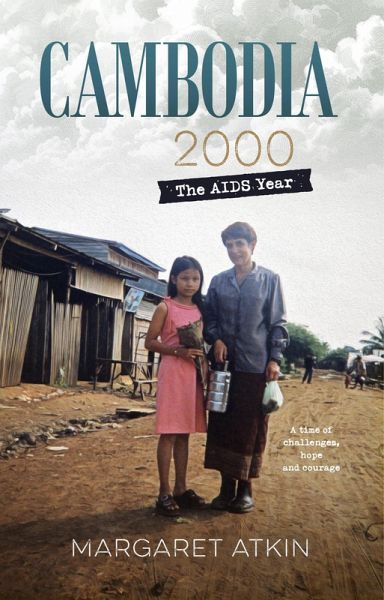
In 2000, Cambodia achieved the impossible: it turned around the worst AIDS epidemic in Asia, only one of three countries worldwide to do so. As an Australian volunteer nurse, Margaret was at the epicentre. Within a month of her arrival, she began working with village women. Two thirds of Khmer men visited brothels where one-third of the workers were HIV-positive. If their wives refused sex or suggested condoms they were beaten. Touring with a local midwife she found in most villages, two to five people had died, and another two to five had AIDS. With the Director of the Provincial AIDS Secretariat, she held a meeting of the stakeholders and formed a technical working group. They engaged with government ministries, implemented the 100% Condom Program in brothels, and supported home-based care. By the end of the year major donors like USAID had re-engaged. The lessons of Cambodia's success are relevant because there is an HIV epidemic in Fiji with 1,093 new cases in 2024, over half of whom have refused treatment. Papua New Guinea has a 1% HIV prevalence rate with one-third of HIV-positive pregnant women passing the virus to their babies. This memoir is a call to action, highlighting strategies that saved lives then and can do so again today.
Dieser Download kann aus rechtlichen Gründen nur mit Rechnungsadresse in A, B, CY, CZ, D, DK, EW, E, FIN, F, GR, H, IRL, I, LT, L, LR, M, NL, PL, P, R, S, SLO, SK ausgeliefert werden.