56,99 €
56,99 €
inkl. MwSt.
Sofort per Download lieferbar

0 °P sammeln
56,99 €
Als Download kaufen
56,99 €
inkl. MwSt.
Sofort per Download lieferbar
0 °P sammeln
Jetzt verschenken
Alle Infos zum eBook verschenken
56,99 €
inkl. MwSt.
Sofort per Download lieferbar
Alle Infos zum eBook verschenken
0 °P sammeln

Andere Kunden interessierten sich auch für
") The Complete Guide to Knowledge Management (eBook, PDF)37,99 €
The Complete Guide to Knowledge Management (eBook, PDF)37,99 €") From Assets to Profits (eBook, PDF)42,99 €
From Assets to Profits (eBook, PDF)42,99 €") Monetizing Your Data (eBook, PDF)32,99 €
Monetizing Your Data (eBook, PDF)32,99 €") Leading Meetings and Teams (eBook, PDF)14,99 €
Leading Meetings and Teams (eBook, PDF)14,99 €") Healthcare Business Intelligence (eBook, PDF)41,99 €
Healthcare Business Intelligence (eBook, PDF)41,99 €") Big Data in Practice (eBook, PDF)25,99 €
Big Data in Practice (eBook, PDF)25,99 €") Big Data (eBook, PDF)14,99 €
Big Data (eBook, PDF)14,99 €



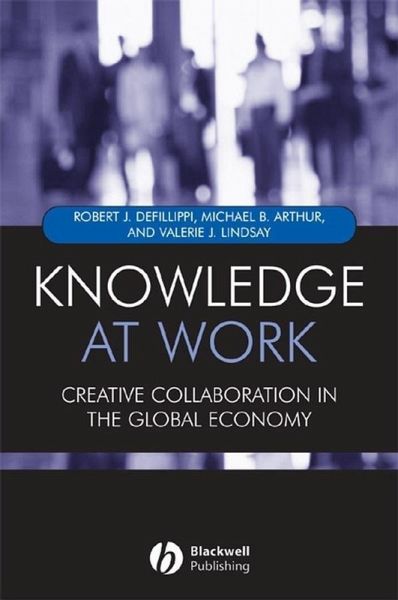
This book's unique perspective stems from its "knowledge diamond" framework to examine how individuals, communities, organizations and host industries reciprocally influence each other in the course of knowledge work. * * This highly topical book focuses on work-based projects as a focus for organizational learning. * Establishes the link between individual, community, organization and industry learning. * Suggests that organizations need to recognise and understand this link if they are to capitalize on project-based learning. * Incorporates material on project-based learning in virtual communities. * Refers to different examples, such as the film industry, the software industry and the boat building industry. * Includes end-of-chapter questions provoking reflection and discussion.
Dieser Download kann aus rechtlichen Gründen nur mit Rechnungsadresse in A, B, BG, CY, CZ, D, DK, EW, E, FIN, F, GR, HR, H, IRL, I, LT, L, LR, M, NL, PL, P, R, S, SLO, SK ausgeliefert werden.
"In this book the authors bridge a gap in the economic literaturewith a fresh and lively account of the crucial links among workers,knowledge work, and economic performance. Given themulti-dimensional character of the topic, they do not provide allthe answers but they pose questions and guide the reader forward.This book sets the agenda on the knowledge-based economy and thecomplex relations that drive it." Michael Best, University ofMassachusetts Lowell
"This book provides an extraordinary integration of literatureon knowledge work, accompanied by a large number of cases andstories to illustrate underlying ideas. I can think of no book thatoffers such a stimulating and thought-provoking blend of theory andpractice. Both present and future managers will greatly enjoy thisbook." Lars Lindkvist, Linköping University
"Both scholarly and streetwise, this book does a great job inshowing what knowledge work means for the lives of the people whodo it, and the performance of the organizations that try to manageit." Harry Scarborough, University of Warwick
"A very impressive account of 'knowledge at work' onseveral levels of analysis: individual, organization, industry, andcommunity; that successfully connects with managerial practice"Joerg Sydow, Free University of Berlin
"This book provides unique insights into the drivers behind theknowledge economy, showing how individuals, groups, organizationsand industries create and use knowledge. It provides an importantand highly readable contribution to contemporary understanding ofknowledge and learning processes." David Gann, ImperialCollege London
"For those of us wilting under the weight of new publications onknowledge and knowledge management this book provides a welcomerefuge in what is a busy, crowded and often confusing zone. Notonly does it provide a broad ranging and thorough review of the keyissues, but it also challenges the reader to reflect on themchapter by chapter. The book recognises what too many othersdon't that all the company procedures and IT-based knowledgemanagement systems are just tools and that people are at the centreof the knowledge based economy. The strength of the book lies inits grounding in real work examples and in its consistent use of aframework - the knowledge diamond - which highlightsthe interdependencies of four key participants in knowledge work:individuals, communities, organizations and industries. It shouldbe useful to both knowledge workers themselves and those that studythem." Dr Tim Brady, University of Brighton
"This book provides an extraordinary integration of literatureon knowledge work, accompanied by a large number of cases andstories to illustrate underlying ideas. I can think of no book thatoffers such a stimulating and thought-provoking blend of theory andpractice. Both present and future managers will greatly enjoy thisbook." Lars Lindkvist, Linköping University
"Both scholarly and streetwise, this book does a great job inshowing what knowledge work means for the lives of the people whodo it, and the performance of the organizations that try to manageit." Harry Scarborough, University of Warwick
"A very impressive account of 'knowledge at work' onseveral levels of analysis: individual, organization, industry, andcommunity; that successfully connects with managerial practice"Joerg Sydow, Free University of Berlin
"This book provides unique insights into the drivers behind theknowledge economy, showing how individuals, groups, organizationsand industries create and use knowledge. It provides an importantand highly readable contribution to contemporary understanding ofknowledge and learning processes." David Gann, ImperialCollege London
"For those of us wilting under the weight of new publications onknowledge and knowledge management this book provides a welcomerefuge in what is a busy, crowded and often confusing zone. Notonly does it provide a broad ranging and thorough review of the keyissues, but it also challenges the reader to reflect on themchapter by chapter. The book recognises what too many othersdon't that all the company procedures and IT-based knowledgemanagement systems are just tools and that people are at the centreof the knowledge based economy. The strength of the book lies inits grounding in real work examples and in its consistent use of aframework - the knowledge diamond - which highlightsthe interdependencies of four key participants in knowledge work:individuals, communities, organizations and industries. It shouldbe useful to both knowledge workers themselves and those that studythem." Dr Tim Brady, University of Brighton