62,95 €
62,95 €
inkl. MwSt.
Sofort per Download lieferbar

31 °P sammeln
62,95 €
Als Download kaufen
62,95 €
inkl. MwSt.
Sofort per Download lieferbar
31 °P sammeln
Jetzt verschenken
Alle Infos zum eBook verschenken
62,95 €
inkl. MwSt.
Sofort per Download lieferbar
Alle Infos zum eBook verschenken
31 °P sammeln

Andere Kunden interessierten sich auch für
") NATO and the Greater Maghreb (eBook, PDF)62,95 €
NATO and the Greater Maghreb (eBook, PDF)62,95 €") The Greater Maghreb (eBook, ePUB)69,95 €
The Greater Maghreb (eBook, ePUB)69,95 €") Europe and America (eBook, ePUB)31,95 €
Europe and America (eBook, ePUB)31,95 €") Russia and the Question of World Order (eBook, ePUB)41,95 €
Russia and the Question of World Order (eBook, ePUB)41,95 €") The elusive quest for security continues - The European Union's foreign policy and it's implications to transatlantic relations (eBook, ePUB)36,99 €
The elusive quest for security continues - The European Union's foreign policy and it's implications to transatlantic relations (eBook, ePUB)36,99 €") Arms Control (eBook, ePUB)32,95 €
Arms Control (eBook, ePUB)32,95 €") Security in a greater Europe (eBook, ePUB)16,95 €
Security in a greater Europe (eBook, ePUB)16,95 €



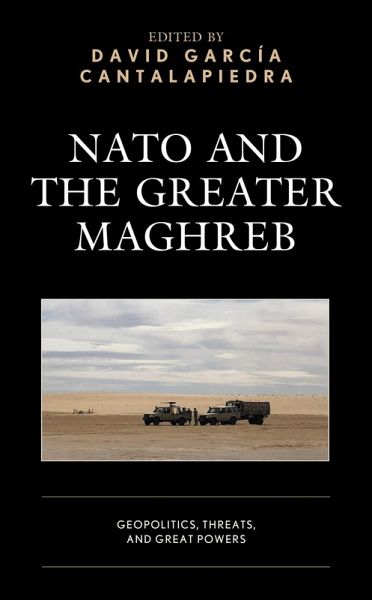
NATO and the Greater Maghreb offers a distinctive focus and study of NATO's future policy in North Africa and the Sahel after the new 2022 Strategic Concept, expected to be published during the next NATO Summit in Madrid.
The book will use three main axes to frame the contributors' analysis, which are not usually used together for analyzing NATO policy: Geopolitics, Great Power Competition, and Threats. These lenses create a distinctive approach to reviewing a Greater Mahgreb Regional Security Complex confronted with the necessities of a distinctive approach by NATO.
The idea of MENA (Middle East and North Africa), still used by the EU and NATO is already obsolete for several reasons: first, it is no more possible to split West Africa geopolitically from North Africa and Sahel. Second, the action of terrorist groups such as Al Qaida in the Islamic Maghreb, ISIS, and Boko Haram are not related to Middle East problems, nor strategies and policies necessaries to tackle them. Second, the difficulties in cooperation between these countries, the corruption fed by organized crime (above all cocaine trafficking) and the impact of desertization, makes it very difficult to establish sound strategies and policies for the area. Third, there is an increasing presence of Great Powers in the area, including Russia and China, Turkey, and some Gulf states with different goals and policies.
The book will use three main axes to frame the contributors' analysis, which are not usually used together for analyzing NATO policy: Geopolitics, Great Power Competition, and Threats. These lenses create a distinctive approach to reviewing a Greater Mahgreb Regional Security Complex confronted with the necessities of a distinctive approach by NATO.
The idea of MENA (Middle East and North Africa), still used by the EU and NATO is already obsolete for several reasons: first, it is no more possible to split West Africa geopolitically from North Africa and Sahel. Second, the action of terrorist groups such as Al Qaida in the Islamic Maghreb, ISIS, and Boko Haram are not related to Middle East problems, nor strategies and policies necessaries to tackle them. Second, the difficulties in cooperation between these countries, the corruption fed by organized crime (above all cocaine trafficking) and the impact of desertization, makes it very difficult to establish sound strategies and policies for the area. Third, there is an increasing presence of Great Powers in the area, including Russia and China, Turkey, and some Gulf states with different goals and policies.