56,95 €
56,95 €
inkl. MwSt.
Sofort per Download lieferbar

28 °P sammeln
56,95 €
Als Download kaufen
56,95 €
inkl. MwSt.
Sofort per Download lieferbar
28 °P sammeln
Jetzt verschenken
Alle Infos zum eBook verschenken
56,95 €
inkl. MwSt.
Sofort per Download lieferbar
Alle Infos zum eBook verschenken
28 °P sammeln

Andere Kunden interessierten sich auch für
") Police Pursuing Justice (eBook, ePUB)56,95 €
Police Pursuing Justice (eBook, ePUB)56,95 €") The Police Identity Crisis (eBook, PDF)41,95 €
The Police Identity Crisis (eBook, PDF)41,95 €") Towards Anti-policing (eBook, PDF)78,95 €
Towards Anti-policing (eBook, PDF)78,95 €") Policing Criminality and Insurgency in Africa (eBook, PDF)89,95 €
Policing Criminality and Insurgency in Africa (eBook, PDF)89,95 €") Police Reform in China (eBook, PDF)73,95 €
Police Reform in China (eBook, PDF)73,95 €") Police and Government (eBook, PDF)27,95 €
Police and Government (eBook, PDF)27,95 €") Police and Public Order in Europe (eBook, PDF)29,95 €
Police and Public Order in Europe (eBook, PDF)29,95 €



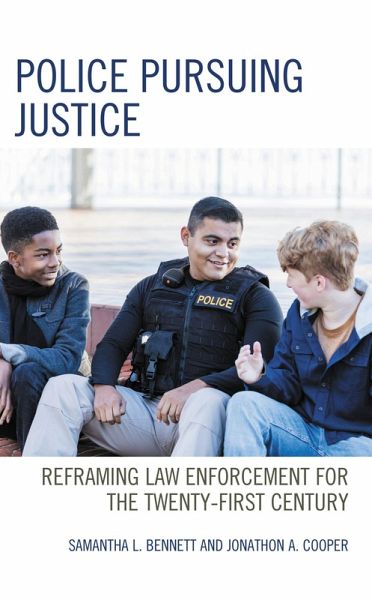
Using the commonwealth of Pennsylvania as a case-study, along with two other states as controls, this book examines how BARJ legislation "trickles down" to the law enforcement level through Pennsylvania's Juvenile Justice System Enhancement Strategy (PJJSES) and the Juvenile Justice Act (JJA). This legislation is a direct application of the BARJ model to law enforcement, essentially directing police discretion in the direction of informal dispositions. The decision to dispose formal action (such as, a referral to either juvenile court/probation, criminal court, or adult criminal court) or informal action (for instance, handling the situation within the department and/or releasing the juveniles to parents with a warning), play an integral role in determining which juveniles contact the justice system. To this end, while the overall focus of our volume and research is specifically on the impact of the PJJSES and its 2012 amendments on the number of formal dispositions of juvenile suspects by law enforcement officers, it speaks more broadly to the ability of the BARJ model to affect police officer behavior through influencing their decision-making processes.