60,99 €
60,99 €
inkl. MwSt.
Sofort per Download lieferbar

0 °P sammeln
60,99 €
Als Download kaufen
60,99 €
inkl. MwSt.
Sofort per Download lieferbar
0 °P sammeln
Jetzt verschenken
Alle Infos zum eBook verschenken
60,99 €
inkl. MwSt.
Sofort per Download lieferbar
Alle Infos zum eBook verschenken
0 °P sammeln

Andere Kunden interessierten sich auch für
") Principles of Plant Genetics and Breeding (eBook, PDF)87,99 €
Principles of Plant Genetics and Breeding (eBook, PDF)87,99 €") Plant Cell Wall Patterning and Cell Shape (eBook, PDF)181,99 €
Plant Cell Wall Patterning and Cell Shape (eBook, PDF)181,99 €") Plant Breeding Reviews, Volume 38 (eBook, PDF)197,99 €
Plant Breeding Reviews, Volume 38 (eBook, PDF)197,99 €") Plant Centromere Biology (eBook, PDF)187,99 €
Plant Centromere Biology (eBook, PDF)187,99 €") Plant Breeding Reviews, Volume 46 (eBook, PDF)303,99 €
Plant Breeding Reviews, Volume 46 (eBook, PDF)303,99 €") Root Genomics and Soil Interactions (eBook, PDF)193,99 €
Root Genomics and Soil Interactions (eBook, PDF)193,99 €") Molecular Markers in Plants (eBook, PDF)193,99 €
Molecular Markers in Plants (eBook, PDF)193,99 €
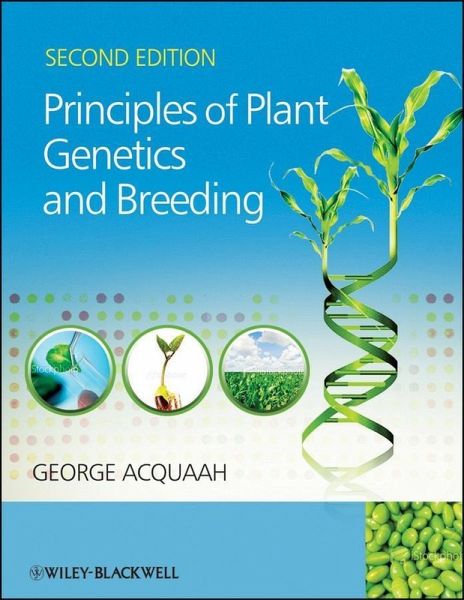
To respond to the increasing need to feed the world's population as well as an ever greater demand for a balanced and healthy diet there is a continuing need to produce improved new cultivars or varieties of plants, particularly crop plants. The strategies used to produce these are increasingly based on our knowledge of relevant science, particularly genetics, but involves a multidisciplinary understanding that optimizes the approaches taken. Principles of Plant Genetics and Breeding, 2nd Edition introduces both classical and molecular tools for plant breeding. Topics such as biotechnology in plant breeding, intellectual property, risks, emerging concepts (decentralized breeding, organic breeding), and more are addressed in the new, updated edition of this text. Industry highlight boxes are included throughout the text to contextualize the information given through the professional experiences of plant breeders. The final chapters provide a useful reference on breeding the largest and most common crops. * Up-to-date edition of this bestselling book incorporating the most recent technologies in the field * Combines both theory and practice in modern plant breeding * Updated industry highlights help to illustrate the concepts outlined in the text * Self assessment questions at the end of each chapter aid student learning * Accompanying website with artwork from the book available to instructors
Dieser Download kann aus rechtlichen Gründen nur mit Rechnungsadresse in D ausgeliefert werden.