Sie sind bereits eingeloggt. Klicken Sie auf 2. tolino select Abo, um fortzufahren.
Bitte loggen Sie sich zunächst in Ihr Kundenkonto ein oder registrieren Sie sich bei bücher.de, um das eBook-Abo tolino select nutzen zu können.
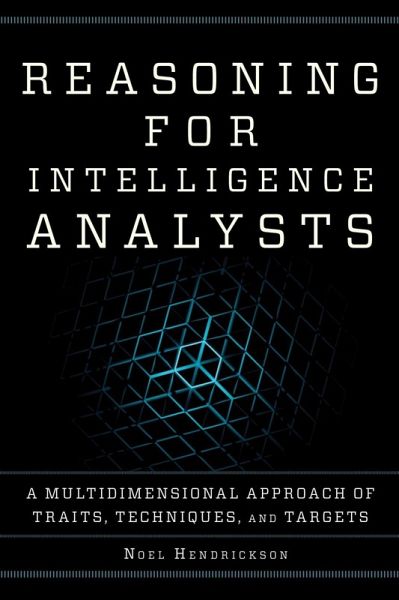
The goal of Reasoning for Intelligence Analysts is to address the three distinct dimensions of an analyst's thinking: the person of the analyst (their traits), the processes they use (their techniques), and the problems they face (their targets). Based on a decade of academic research and university teaching in a program for aspiring intelligence analysts, this multidimensional approach will help the reader move beyond the traditional boundaries of accumulating knowledge or critical thinking with techniques to assess the unique targets of reasoning in the information age. This approach is not…mehr
The goal of Reasoning for Intelligence Analysts is to address the three distinct dimensions of an analyst's thinking: the person of the analyst (their traits), the processes they use (their techniques), and the problems they face (their targets). Based on a decade of academic research and university teaching in a program for aspiring intelligence analysts, this multidimensional approach will help the reader move beyond the traditional boundaries of accumulating knowledge or critical thinking with techniques to assess the unique targets of reasoning in the information age. This approach is not just a set of techniques, but covers all elements of reasoning by discussing the personal, procedural, and problem-specific aspects. It also addresses key challenges, such as uncertain data, irrelevant or misleading information, indeterminate outcomes, and significance for clients through an extensive examination of hypothesis development, causal analysis, futures exploration, and strategy assessment. Both critical and creative thinking, which are essential to reasoning in intelligence, are integrated throughout.
Structured around independently readable chapters, this text offers a systematic approach to reasoning a long with an extensive toolkit that will serve the needs of both students and intelligence professionals.
Die Herstellerinformationen sind derzeit nicht verfügbar.
Autorenporträt
Noel Hendrickson is associate professor and a founding faculty member of the Intelligence Analysis Program at James Madison University. He earned a PhD in Philosophy from the University of Wisconsin-Madison, and has over a decade of experience teaching reasoning methods to aspiring intelligence analysts.
Inhaltsangabe
Acknowledgements About the Author Introduction Part I: The Background to Reasoning for Intelligence Analysts Chapter 1: An Introduction to Reasoning Chapter 2: An Introduction to Intelligence Analysis Chapter 3: An Introduction to the Information Age Part II: The Theory of Reasoning for Intelligence Analysts Paradigms of Reasoning in General Chapter 4: Important Extant Approaches to Reasoning The Structural, Informal Logical, and Elements of the Mind Paradigms Chapter 5: The Multidimensional Approach to Reasoning Introducing the Personal, Procedural, and Problem-Specific Dimensions Chapter 6: The Personal Dimension of Reasoning Ideal Reasoning as Virtues to Embody Chapter 7: The Procedural Dimension of Reasoning Ideal Reasoning as Rules to Follow Chapter 8: The Problem-Specific Dimension of Reasoning Ideal Reasoning as Questions to Ask Part III: The Practice of Reasoning for Intelligence Analysts Methods of Reasoning in General Chapter 9: How to Know Your Personal Characteristics as an Analyst The Method of "Analytic Balance Check" Chapter 10: How to Know Your Process of Analysis The Method of "Analytic Process Reflection" Chapter 11: How to Know the Right Problem for Analysis The Method of "Analytic Problem Classification" Part IV: The Theory of Hypothesis Development for Intelligence Analysts Paradigms of Reasoning About "What is Happening?" Chapter 12: Important Extant Approaches to Hypothesis Development The Falsificationist, Bayesian, and Explanationist Paradigms Chapter 13: The Multidimensional Approach to Hypothesis Development Introducing the Idea, Information, and Implication Dimensions Part V: The Practice of Hypothesis Development for Intelligence Analysts Methods of Reasoning About "What is Happening?" Chapter 14: How to Generate New Ideas The Method of "Dialectical Hypothesis Generation" Chapter 15: How to Develop the Most Probable Hypothesis The Method of "Triadic Hypothesis Development" Chapter 16: How to Recognize What Has Been Taken For Granted The Method of "Underlying Assumptions Triangulation" Part VI: The Theory of Causal Analysis for Intelligence Analysts Paradigms of Reasoning About "Why This is Happening?" Chapter 17: Important Extant Approaches to Causal Analysis The Probabilistic, Interventionist, and Systems Dynamics Paradigms Chapter 18: The Multidimensional Approach to Causal Analysis Introducing the Sequence, System, and Surprise Dimensions Part VII: The Practice of Causal Analysis for Intelligence Analysts Methods of Reasoning About "Why This is Happening?" Chapter 19: How to Identify Individual Connections The Method of "Causal Influence Classification" Chapter 20: How to Identify Collective Connections The Method of "Causal Loop Diagramming" Chapter 21: How to Identify Unexpected Connections (And How Something is Partly an Unintended Consequence) The Method of "Background Shift Analysis" Part VIII: The Theory of Futures Exploration for Intelligence Analysts Paradigms of Reasoning About "When and Where Might This Change?" Chapter 22: Important Extant Approaches to Futures Exploration The Forecasting, Megatrend, and Scenario Paradigms Chapter 23: The Multidimensional Approach to Futures Exploration Introducing the Origin, Outreach, and Outcome Dimensions Part IX: The Practice of Futures Exploration for Intelligence Analysts Methods of Reasoning About "When and Where Might This Change?" Chapter 24: How to Find the Most Plausible Origin of a Future Possibility The Method of "Convergent Scenario Development" (Future-Directed Counterfactual Reasoning, Stage I) Chapter 25: How to Integrate a Futures Estimate into the Bigger Picture (And Foresee Possible Unintended Consequences) The Method of "Ripple Effect Analysis" (Future-Directed Counterfactual Reasoning, Stage II) Chapter 26: How to Identify the Most Plausible Future Outcomes The Method of "Divergent Scenario Development" (Future-Directed Counterfactual Reasoning, Stage III) Part X: The Theory of Strategy Assessment for Intelligence Analysts Paradigms of Reasoning About "How Can the Client Respond to It?" Chapter 27: Important Extant Approaches to Strategy Assessment The Risk, Ignorance, and Game Theory Paradigms Chapter 28: The Multidimensional Approach to Futures Exploration Introducing the Environment, Effect, and Expectation Dimensions Part XI: The Practice of Strategy Assessment for Intelligence Analysts Methods of Reasoning About "How Can the Client Respond to It?" Chapter 29: How to Support Decision-Making Without Known Outcomes or Expectations The Method of "Strategic Relevance Check" Chapter 30: How to Support Decision-Making About Known Outcomes With Unknown Expectations The Method of "Decision Significance Comparison" Chapter 31: How to Support Decision-Making About Known Outcomes With Known Expectations The Method of "Expectation Impact Analysis" Conclusion About the Author
Acknowledgements About the Author Introduction Part I: The Background to Reasoning for Intelligence Analysts Chapter 1: An Introduction to Reasoning Chapter 2: An Introduction to Intelligence Analysis Chapter 3: An Introduction to the Information Age Part II: The Theory of Reasoning for Intelligence Analysts Paradigms of Reasoning in General Chapter 4: Important Extant Approaches to Reasoning The Structural, Informal Logical, and Elements of the Mind Paradigms Chapter 5: The Multidimensional Approach to Reasoning Introducing the Personal, Procedural, and Problem-Specific Dimensions Chapter 6: The Personal Dimension of Reasoning Ideal Reasoning as Virtues to Embody Chapter 7: The Procedural Dimension of Reasoning Ideal Reasoning as Rules to Follow Chapter 8: The Problem-Specific Dimension of Reasoning Ideal Reasoning as Questions to Ask Part III: The Practice of Reasoning for Intelligence Analysts Methods of Reasoning in General Chapter 9: How to Know Your Personal Characteristics as an Analyst The Method of "Analytic Balance Check" Chapter 10: How to Know Your Process of Analysis The Method of "Analytic Process Reflection" Chapter 11: How to Know the Right Problem for Analysis The Method of "Analytic Problem Classification" Part IV: The Theory of Hypothesis Development for Intelligence Analysts Paradigms of Reasoning About "What is Happening?" Chapter 12: Important Extant Approaches to Hypothesis Development The Falsificationist, Bayesian, and Explanationist Paradigms Chapter 13: The Multidimensional Approach to Hypothesis Development Introducing the Idea, Information, and Implication Dimensions Part V: The Practice of Hypothesis Development for Intelligence Analysts Methods of Reasoning About "What is Happening?" Chapter 14: How to Generate New Ideas The Method of "Dialectical Hypothesis Generation" Chapter 15: How to Develop the Most Probable Hypothesis The Method of "Triadic Hypothesis Development" Chapter 16: How to Recognize What Has Been Taken For Granted The Method of "Underlying Assumptions Triangulation" Part VI: The Theory of Causal Analysis for Intelligence Analysts Paradigms of Reasoning About "Why This is Happening?" Chapter 17: Important Extant Approaches to Causal Analysis The Probabilistic, Interventionist, and Systems Dynamics Paradigms Chapter 18: The Multidimensional Approach to Causal Analysis Introducing the Sequence, System, and Surprise Dimensions Part VII: The Practice of Causal Analysis for Intelligence Analysts Methods of Reasoning About "Why This is Happening?" Chapter 19: How to Identify Individual Connections The Method of "Causal Influence Classification" Chapter 20: How to Identify Collective Connections The Method of "Causal Loop Diagramming" Chapter 21: How to Identify Unexpected Connections (And How Something is Partly an Unintended Consequence) The Method of "Background Shift Analysis" Part VIII: The Theory of Futures Exploration for Intelligence Analysts Paradigms of Reasoning About "When and Where Might This Change?" Chapter 22: Important Extant Approaches to Futures Exploration The Forecasting, Megatrend, and Scenario Paradigms Chapter 23: The Multidimensional Approach to Futures Exploration Introducing the Origin, Outreach, and Outcome Dimensions Part IX: The Practice of Futures Exploration for Intelligence Analysts Methods of Reasoning About "When and Where Might This Change?" Chapter 24: How to Find the Most Plausible Origin of a Future Possibility The Method of "Convergent Scenario Development" (Future-Directed Counterfactual Reasoning, Stage I) Chapter 25: How to Integrate a Futures Estimate into the Bigger Picture (And Foresee Possible Unintended Consequences) The Method of "Ripple Effect Analysis" (Future-Directed Counterfactual Reasoning, Stage II) Chapter 26: How to Identify the Most Plausible Future Outcomes The Method of "Divergent Scenario Development" (Future-Directed Counterfactual Reasoning, Stage III) Part X: The Theory of Strategy Assessment for Intelligence Analysts Paradigms of Reasoning About "How Can the Client Respond to It?" Chapter 27: Important Extant Approaches to Strategy Assessment The Risk, Ignorance, and Game Theory Paradigms Chapter 28: The Multidimensional Approach to Futures Exploration Introducing the Environment, Effect, and Expectation Dimensions Part XI: The Practice of Strategy Assessment for Intelligence Analysts Methods of Reasoning About "How Can the Client Respond to It?" Chapter 29: How to Support Decision-Making Without Known Outcomes or Expectations The Method of "Strategic Relevance Check" Chapter 30: How to Support Decision-Making About Known Outcomes With Unknown Expectations The Method of "Decision Significance Comparison" Chapter 31: How to Support Decision-Making About Known Outcomes With Known Expectations The Method of "Expectation Impact Analysis" Conclusion About the Author
Es gelten unsere Allgemeinen Geschäftsbedingungen: www.buecher.de/agb
Impressum
www.buecher.de ist ein Internetauftritt der buecher.de internetstores GmbH
Geschäftsführung: Monica Sawhney | Roland Kölbl | Günter Hilger
Sitz der Gesellschaft: Batheyer Straße 115 - 117, 58099 Hagen
Postanschrift: Bürgermeister-Wegele-Str. 12, 86167 Augsburg
Amtsgericht Hagen HRB 13257
Steuernummer: 321/5800/1497
USt-IdNr: DE450055826