Sie sind bereits eingeloggt. Klicken Sie auf 2. tolino select Abo, um fortzufahren.
Bitte loggen Sie sich zunächst in Ihr Kundenkonto ein oder registrieren Sie sich bei bücher.de, um das eBook-Abo tolino select nutzen zu können.
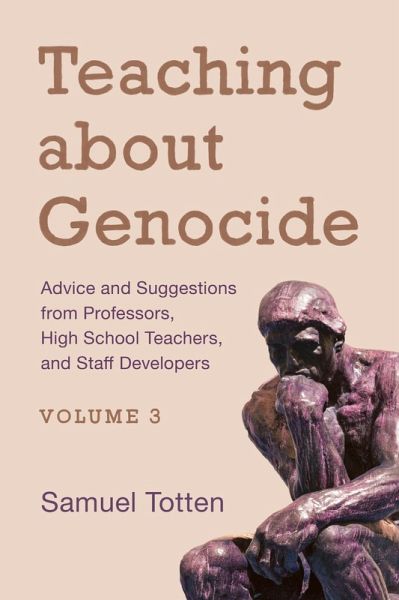
Teaching about Genocide presents the insights, advice, and suggestions of secondary-level teachers and professors, in relation to teaching about various facets of genocide. The contributions range from basic concerns when teaching about genocide to a discussion about why it is critical to teach students about more general human rights violations during a course on genocide, and from a focus on specific cases of genocide to a range of pedagogical strategies for teaching about genocide.
Teaching about Genocide presents the insights, advice, and suggestions of secondary-level teachers and professors, in relation to teaching about various facets of genocide. The contributions range from basic concerns when teaching about genocide to a discussion about why it is critical to teach students about more general human rights violations during a course on genocide, and from a focus on specific cases of genocide to a range of pedagogical strategies for teaching about genocide.
Die Herstellerinformationen sind derzeit nicht verfügbar.
Autorenporträt
Samuel Totten, a longtime scholar of genocide studies and retired professor (University of Arkansas, Fayetteville), is the author of Teaching About Crimes Against Humanity and Genocide: Fundamental Issues and Approaches (Information Age Publishing, 2018). Over the past fourteen years he has conducted field work into crimes against humanity and genocide in the refugee camps along the Chad/Darfur, Sudan border, and in the Nuba Mountains of Sudan.
Inhaltsangabe
Part 1: High School Teachers and Staff Developers Chapter 1: "Providing Students with the Opportunity to Engage with Survivors of Genocide" by Michael Anthony Chapter 2: "A Global Collaborative Approach to Genocide Education" by Kate Weckesser English Chapter 3: "The Bosnian Genocide: Teaching Ideas and Resources"by Lisa M. Adeli Chapter 4: "Happening Now: The Rohingya Genocide in Myanmar, A Jigsaw Activity Using Mace's 10 Stages of Genocide" by Frank J. Pérez Part 2: Professors Chapter 5: "If 'Never Again!' Is a Key Theme of Genocide Studies, Perhaps the Typical Approach to Genocide Education Needs to Be Reconsidered" by Samuel Totten Chapter 6: "Teaching 'Introduction to Genocide Studies'" by Ashley L. Greene. Chapter 7: "Rewriting the Genocide Convention" byTracy H. Slagter Chapter 8: "Our Nature in Genocide: Teaching Atrocity from Within the Human Continuum" by Timothy Horner Chapter 9: "Extraordinary Atrocities, Ordinary People: Teaching Genocide through the Lenses of Banal and Fetishized Evils" by Cathryn van Kessel Chapter 10: "Moving Beyond Perpetrators, Victims, Bystanders, and Upstanders" by Hollie Nyseth Brehm and Michelle L. O'Brien Chapter 11: "Teaching About Perpetrators and Perpetration in Genocide" by Timothy Williams Chapter 12 :"Understanding Perpetrators?" by Susanne C. Knittel Chapter 13: "Confronting Mass Atrocities: Interplays Between Legal Norms, Political Interests, and Moral Imperatives for Action" by Eyal Mayroz Chapter 14 :"Teaching About Resistance to Genocide"by Khatchig Mouradian Chapter 15 :"Balkan Stereotypes and the Problem of Teaching Southeastern European Genocide" by James Frusetta Chapter 16: "From Student to Citizen: The Impact of Personal Narratives in University-Level Genocide Education" by Ari Kohen and Gerald J. Steinacher Chapter 17: "Does Place Matter? Using Inquiry to Explore the Geography of Genocide" by Aaron Johnson and Lisa Pennington Chapter 18: "The Complexity of Genocide: Atrocity Prevention and Interactive Learning" by Benjamin Meiches Chapter 19: "Teaching Economic Aspects of Genocide and Their Prevention" by Charles H. Anderton Chapter 20: "In the Margins: Teaching About Genocide While Teaching Writing" by Taleen Mardirossian Chapter 21: "Advice on Teaching About Genocide with Film" by Glenn Mitoma and Alan S. Marcus Chapter 22: "Art and Genocide in University Classrooms" by Mark Celinscak Chapter 23: "Genocide Site Visits as an Educational Tool: A Bosnian Experience" by Hikmet Karcic. Chapter 24: "Developing an 'Heroic Imagination' through Study Abroad in Guatemala by Trisha Posey and Kevin Simpson Chapter 25: "The Potential and Limitations of Student Fieldwork on Continents and in Nations Other Than Their Own" by Timothy Williams Chapter 26: "Genocide and the Promise of Positive Peace" by James G. Brown
Part 1: High School Teachers and Staff Developers Chapter 1: "Providing Students with the Opportunity to Engage with Survivors of Genocide" by Michael Anthony Chapter 2: "A Global Collaborative Approach to Genocide Education" by Kate Weckesser English Chapter 3: "The Bosnian Genocide: Teaching Ideas and Resources"by Lisa M. Adeli Chapter 4: "Happening Now: The Rohingya Genocide in Myanmar, A Jigsaw Activity Using Mace's 10 Stages of Genocide" by Frank J. Pérez Part 2: Professors Chapter 5: "If 'Never Again!' Is a Key Theme of Genocide Studies, Perhaps the Typical Approach to Genocide Education Needs to Be Reconsidered" by Samuel Totten Chapter 6: "Teaching 'Introduction to Genocide Studies'" by Ashley L. Greene. Chapter 7: "Rewriting the Genocide Convention" byTracy H. Slagter Chapter 8: "Our Nature in Genocide: Teaching Atrocity from Within the Human Continuum" by Timothy Horner Chapter 9: "Extraordinary Atrocities, Ordinary People: Teaching Genocide through the Lenses of Banal and Fetishized Evils" by Cathryn van Kessel Chapter 10: "Moving Beyond Perpetrators, Victims, Bystanders, and Upstanders" by Hollie Nyseth Brehm and Michelle L. O'Brien Chapter 11: "Teaching About Perpetrators and Perpetration in Genocide" by Timothy Williams Chapter 12 :"Understanding Perpetrators?" by Susanne C. Knittel Chapter 13: "Confronting Mass Atrocities: Interplays Between Legal Norms, Political Interests, and Moral Imperatives for Action" by Eyal Mayroz Chapter 14 :"Teaching About Resistance to Genocide"by Khatchig Mouradian Chapter 15 :"Balkan Stereotypes and the Problem of Teaching Southeastern European Genocide" by James Frusetta Chapter 16: "From Student to Citizen: The Impact of Personal Narratives in University-Level Genocide Education" by Ari Kohen and Gerald J. Steinacher Chapter 17: "Does Place Matter? Using Inquiry to Explore the Geography of Genocide" by Aaron Johnson and Lisa Pennington Chapter 18: "The Complexity of Genocide: Atrocity Prevention and Interactive Learning" by Benjamin Meiches Chapter 19: "Teaching Economic Aspects of Genocide and Their Prevention" by Charles H. Anderton Chapter 20: "In the Margins: Teaching About Genocide While Teaching Writing" by Taleen Mardirossian Chapter 21: "Advice on Teaching About Genocide with Film" by Glenn Mitoma and Alan S. Marcus Chapter 22: "Art and Genocide in University Classrooms" by Mark Celinscak Chapter 23: "Genocide Site Visits as an Educational Tool: A Bosnian Experience" by Hikmet Karcic. Chapter 24: "Developing an 'Heroic Imagination' through Study Abroad in Guatemala by Trisha Posey and Kevin Simpson Chapter 25: "The Potential and Limitations of Student Fieldwork on Continents and in Nations Other Than Their Own" by Timothy Williams Chapter 26: "Genocide and the Promise of Positive Peace" by James G. Brown
Es gelten unsere Allgemeinen Geschäftsbedingungen: www.buecher.de/agb
Impressum
www.buecher.de ist ein Internetauftritt der buecher.de internetstores GmbH
Geschäftsführung: Monica Sawhney | Roland Kölbl | Günter Hilger
Sitz der Gesellschaft: Batheyer Straße 115 - 117, 58099 Hagen
Postanschrift: Bürgermeister-Wegele-Str. 12, 86167 Augsburg
Amtsgericht Hagen HRB 13257
Steuernummer: 321/5800/1497
USt-IdNr: DE450055826