Sie sind bereits eingeloggt. Klicken Sie auf 2. tolino select Abo, um fortzufahren.
Bitte loggen Sie sich zunächst in Ihr Kundenkonto ein oder registrieren Sie sich bei bücher.de, um das eBook-Abo tolino select nutzen zu können.
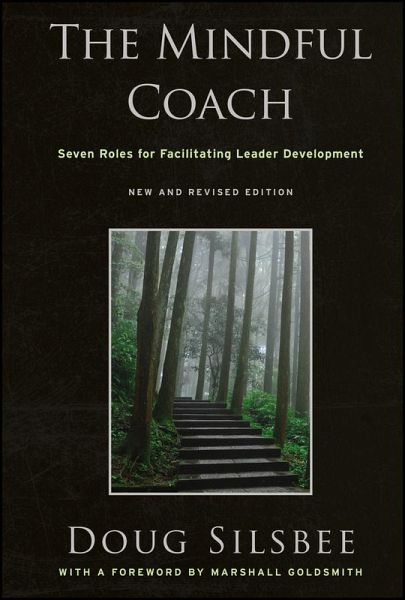
REGARDLESS OF YOUR LEVEL of coaching experience, you are likely to be asked to support the development of people with whom you share a professional or personal relationship. In this thoroughly revised and updated edition of his best-selling book The Mindful Coach, expert coach Doug Silsbee presents his practical Septet Model as an ideal tool for conducting coaching conversations with executives, leaders, and other professionals. The model differentiates seven roles (or Voices) that anyone in a coaching role can use when engaging in these learning conversations: Master, Partner,…mehr
REGARDLESS OF YOUR LEVEL of coaching experience, you are likely to be asked to support the development of people with whom you share a professional or personal relationship.
In this thoroughly revised and updated edition of his best-selling book The Mindful Coach, expert coach Doug Silsbee presents his practical Septet Model as an ideal tool for conducting coaching conversations with executives, leaders, and other professionals. The model differentiates seven roles (or Voices) that anyone in a coaching role can use when engaging in these learning conversations: Master, Partner, Investigator, Reflector, Teacher, Guide, and Contractor. In this important book, Silsbee illuminates the dynamic relationship among these seven roles and shows how to integrate them into an intelligent strategy that can be applied to any coaching conversation.
Designed as a down-to-earth resource, The Mindful Coach is filled with practical exercises and sample dialogues for learning and applying the model. Throughout the book, Silsbee's strong emphasis on self-knowledge and mindfulness integrates with the Septet Model in a transformational approach to coaching that has consistently produced significant and sustainable results for leaders in Fortune 100 companies, nonprofit organizations, business schools, education, and government.
Dieser Download kann aus rechtlichen Gründen nur mit Rechnungsadresse in D ausgeliefert werden.
Die Herstellerinformationen sind derzeit nicht verfügbar.
Autorenporträt
Doug Silsbee is a thought leader in the field of presence-based leadership development, coaching, and resilience. He coaches, teaches, and writes in Asheville, North Carolina. A master teacher, Silsbee has worked with leaders on five continents, taught top executives from corporations, nonprofits, and government, and is a frequent speaker at major conferences. He is a Master Somatic Coach with Strozzi Institute and the author of Presence-Based Coaching from Jossey-Bass.
Silsbee is an outdoor adventurer, grandfather, and owner of a carbon-neutral retreat center on 63 acres in the North Carolina mountains, where he offers courses in his groundbreaking approaches. He can be reached at http://dougsilsbee.com or ds@dougsilsbee.com.
Inhaltsangabe
Exercises, Practices, Exhibits, and Figures ix Foreword xiii Preface to the New and Revised Edition xv Introduction: What Is Coaching? 1 A Working Definition of Coaching 4 Distinguishing Coaching from Other Aspects of Professional Relationships 6 Contexts for Coaching: Four Dynamics 9 Introduction Summary 14 1 The Being of Coaching: Mindful Service 17 Placing Oneself in Service 18 Mindfulness and Self-Awareness 19 Mindfulness and the Three Levels of Experience 23 Attachments and Aversions 25 Conditioning and Habits That Block Mindfulness 30 Coaching Habits 33 Chapter Summary 41 2 Cultivating Mindfulness 43 Self-Observation 44 Practices for Cultivating Mindfulness 48 Coach as Learner 54 Accountability in Service 55 Chapter Summary 56 3 The Seven Voices of the Coach 57 Learning the Voices 58 The Individual Roles or Voices 60 The Voices and Their Aspects 64 Placing the Voices in Context 64 Chapter Summary 72 4 The Master 73 Maintaining Self-Awareness 76 Listening with Focus and Presence 78 Modeling Learning and Growth 79 Embracing the Client with Compassion and Respect 82 Choosing Which of the Operational Voices to Use at a Given Time 84 The Mindful Master 86 Chapter Summary 89 5 The Partner 91 Establishing and Honoring an Explicit Structure for the Coaching Relationship 93 Advocating Shared Commitment to Competency-Based Coaching Outcomes 98 Offering Choice Points and Making Joint Decisions About the Coaching Process 103 The Mindful Partner 107 Chapter Summary 110 6 The Investigator 113 Asking Questions That Shift the Client's Understanding of the Situation 116 Helping the Client to Articulate Desired Outcomes 120 Asking the Client to Generate Courses of Action 122 The Mindful Investigator 126 Chapter Summary 130 7 The Reflector 131 Providing Direct and Honest Feedback 133 Directing the Client's Attention Toward His or Her Capabilities and Potential 137 Encouraging Self-Observation and Reflection 141 The Mindful Reflector 143 Chapter Summary 147 8 The Teacher 149 Providing New Distinctions, Information, and Knowledge 151 Challenging and Stimulating the Client's Thinking Process 154 Explaining the Coaching Process, Theory, and Models Being Used 159 The Mindful Teacher 162 Chapter Summary 165 9 The Guide 167 Encouraging the Client to Take Some Action of the Client's Choosing 170 Offering Options for Action 172 Recommending Specific Courses of Action 175 The Mindful Guide 178 Chapter Summary 181 10 The Contractor 183 Establishing Clear Agreements About Actions 186 Exploring and Resolving Client Doubts and Hesitations 190 Following Up with the Client About Agreed-On Actions 193 The Mindful Contractor 196 Chapter Summary 199 11 Self-Development Strategies for the Coach 201 Self-Assessment Tools 202 Self-Observation as a Coach 205 Navigating the Model 210 Learning from Your Reflection 216 Reviewing Audio Recordings 217 Obtaining and Listening to Client Feedback 218 Planning Your Own Development 221 Chapter Summary 223 Epilogue: Coaching as a Journey Toward Mastery 225 About Fluidity and Intuition 227 Practice as Path 229 Selected Reading 235 Notes 239 Acknowledgments 245 The Author 249 Index 251
Exercises, Practices, Exhibits, and Figures ix Foreword xiii Preface to the New and Revised Edition xv Introduction: What Is Coaching? 1 A Working Definition of Coaching 4 Distinguishing Coaching from Other Aspects of Professional Relationships 6 Contexts for Coaching: Four Dynamics 9 Introduction Summary 14 1 The Being of Coaching: Mindful Service 17 Placing Oneself in Service 18 Mindfulness and Self-Awareness 19 Mindfulness and the Three Levels of Experience 23 Attachments and Aversions 25 Conditioning and Habits That Block Mindfulness 30 Coaching Habits 33 Chapter Summary 41 2 Cultivating Mindfulness 43 Self-Observation 44 Practices for Cultivating Mindfulness 48 Coach as Learner 54 Accountability in Service 55 Chapter Summary 56 3 The Seven Voices of the Coach 57 Learning the Voices 58 The Individual Roles or Voices 60 The Voices and Their Aspects 64 Placing the Voices in Context 64 Chapter Summary 72 4 The Master 73 Maintaining Self-Awareness 76 Listening with Focus and Presence 78 Modeling Learning and Growth 79 Embracing the Client with Compassion and Respect 82 Choosing Which of the Operational Voices to Use at a Given Time 84 The Mindful Master 86 Chapter Summary 89 5 The Partner 91 Establishing and Honoring an Explicit Structure for the Coaching Relationship 93 Advocating Shared Commitment to Competency-Based Coaching Outcomes 98 Offering Choice Points and Making Joint Decisions About the Coaching Process 103 The Mindful Partner 107 Chapter Summary 110 6 The Investigator 113 Asking Questions That Shift the Client's Understanding of the Situation 116 Helping the Client to Articulate Desired Outcomes 120 Asking the Client to Generate Courses of Action 122 The Mindful Investigator 126 Chapter Summary 130 7 The Reflector 131 Providing Direct and Honest Feedback 133 Directing the Client's Attention Toward His or Her Capabilities and Potential 137 Encouraging Self-Observation and Reflection 141 The Mindful Reflector 143 Chapter Summary 147 8 The Teacher 149 Providing New Distinctions, Information, and Knowledge 151 Challenging and Stimulating the Client's Thinking Process 154 Explaining the Coaching Process, Theory, and Models Being Used 159 The Mindful Teacher 162 Chapter Summary 165 9 The Guide 167 Encouraging the Client to Take Some Action of the Client's Choosing 170 Offering Options for Action 172 Recommending Specific Courses of Action 175 The Mindful Guide 178 Chapter Summary 181 10 The Contractor 183 Establishing Clear Agreements About Actions 186 Exploring and Resolving Client Doubts and Hesitations 190 Following Up with the Client About Agreed-On Actions 193 The Mindful Contractor 196 Chapter Summary 199 11 Self-Development Strategies for the Coach 201 Self-Assessment Tools 202 Self-Observation as a Coach 205 Navigating the Model 210 Learning from Your Reflection 216 Reviewing Audio Recordings 217 Obtaining and Listening to Client Feedback 218 Planning Your Own Development 221 Chapter Summary 223 Epilogue: Coaching as a Journey Toward Mastery 225 About Fluidity and Intuition 227 Practice as Path 229 Selected Reading 235 Notes 239 Acknowledgments 245 The Author 249 Index 251
Es gelten unsere Allgemeinen Geschäftsbedingungen: www.buecher.de/agb
Impressum
www.buecher.de ist ein Internetauftritt der buecher.de internetstores GmbH
Geschäftsführung: Monica Sawhney | Roland Kölbl | Günter Hilger
Sitz der Gesellschaft: Batheyer Straße 115 - 117, 58099 Hagen
Postanschrift: Bürgermeister-Wegele-Str. 12, 86167 Augsburg
Amtsgericht Hagen HRB 13257
Steuernummer: 321/5800/1497
USt-IdNr: DE450055826