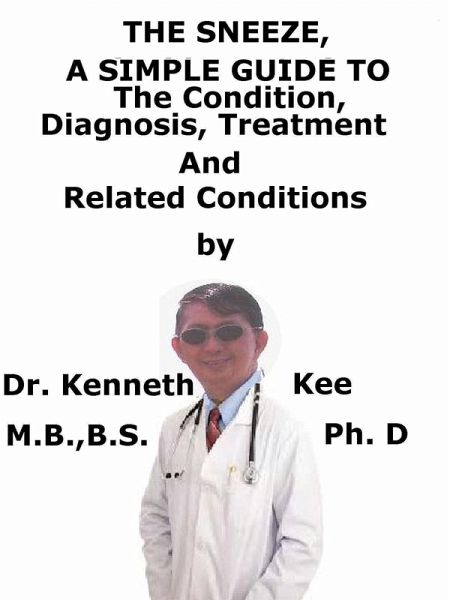
2,99 €
2,99 €
inkl. MwSt.
Sofort per Download lieferbar

0 °P sammeln
2,99 €
Als Download kaufen
2,99 €
inkl. MwSt.
Sofort per Download lieferbar
0 °P sammeln
Jetzt verschenken
Alle Infos zum eBook verschenken
2,99 €
inkl. MwSt.
Sofort per Download lieferbar
Alle Infos zum eBook verschenken
0 °P sammeln

Andere Kunden interessierten sich auch für
 A Simple Guide To The Condition, Diagnosis, Treatment And Related Conditions (eBook, ePUB)") Motion Sickness, (Travel Sickness) A Simple Guide To The Condition, Diagnosis, Treatment And Related Conditions (eBook, ePUB)2,99 €
Motion Sickness, (Travel Sickness) A Simple Guide To The Condition, Diagnosis, Treatment And Related Conditions (eBook, ePUB)2,99 €") Meniere's Disease, A Simple Guide To The Condition, Diagnosis, Treatment And Related Conditions (eBook, ePUB)2,99 €
Meniere's Disease, A Simple Guide To The Condition, Diagnosis, Treatment And Related Conditions (eBook, ePUB)2,99 €") Dizziness, A Simple Guide to The Condition, Diagnosis, Treatment And Related Conditions (eBook, ePUB)2,99 €
Dizziness, A Simple Guide to The Condition, Diagnosis, Treatment And Related Conditions (eBook, ePUB)2,99 € A Simple Guide To The Condition, Diagnosis, Treatment And Related Conditions (eBook, ePUB)") Alien Hand Syndrome, (Dr Strangelove Syndrome) A Simple Guide To The Condition, Diagnosis, Treatment And Related Conditions (eBook, ePUB)2,99 €
Alien Hand Syndrome, (Dr Strangelove Syndrome) A Simple Guide To The Condition, Diagnosis, Treatment And Related Conditions (eBook, ePUB)2,99 €") Vertigo, A Simple Guide to The Condition, Treatment And Related Conditions (eBook, ePUB)2,99 €
Vertigo, A Simple Guide to The Condition, Treatment And Related Conditions (eBook, ePUB)2,99 € A Simple Guide To The Condition, Diagnosis, Treatment And Related Conditions (eBook, ePUB)") Nystagmus, (Rapid Eye Movements) A Simple Guide To The Condition, Diagnosis, Treatment And Related Conditions (eBook, ePUB)2,99 €
Nystagmus, (Rapid Eye Movements) A Simple Guide To The Condition, Diagnosis, Treatment And Related Conditions (eBook, ePUB)2,99 € A Simple Guide To The Condition, Diagnosis, Treatment And Related Conditions (eBook, ePUB)") Hydrocephalus, (Fluid in Brain) A Simple Guide To The Condition, Diagnosis, Treatment And Related Conditions (eBook, ePUB)2,99 €
Hydrocephalus, (Fluid in Brain) A Simple Guide To The Condition, Diagnosis, Treatment And Related Conditions (eBook, ePUB)2,99 €
Sneezing, or sternutation, can be a strong, sudden, uncontrolled burst of air through the nose and mouth.
Sneezing is produced by an irritation to the nasal lining or the throat.
Normally, sneezing is caused by entry of dust or an allergen into the nose.
While sneezing is frequently irritating and loud, it is normally not dangerous.
The sneeze may happen as part of an allergic reaction or may result from an infection or illness.
Sneezing also happens from a direct stimulation of the nose such as by a nasal spray or touching of nasal mucosa, or from some other irritant or drug interaction.
Sneezing may also occur from vasomotor rhinitis.
Sneezing is triggered by irritants to the nose or throat.
Usually, this irritation comes from a physical or airborne irritant such as dust or allergens.
Sneezing may be sparked off by many infections:
1. Common cold (viral respiratory infection)
2. Influenza (flu)
3. Other respiratory tract infections
4. Sinusitis
Sneezing can be caused by:
1. Allergy to pollen, mold, dander, dust (hay fever)
2. Breathing in corticosteroids (from certain nose sprays)
3. Common cold or the flu
4. Drug withdrawal
5. Triggers such as strong emotions, air pollution, dust, dry air, spicy foods, certain medicines, and powders
Preventing exposure to the allergen is the best way to treat sneezing caused by allergies.
The allergen may be anything that produces an allergic reaction.
Methods to decrease the exposure:
1. Change furnace filters
2. Remove pets from the home to eliminate animal dander
3. Travel to places with low pollen counts
4. Air filters is used to decrease pollen in the air
5. Linens are washed in hot water (at least 130 degrees Fahrenheit) to kill dust mites
In some occasions, the patient may need to move out of a home with a mold spore problem.
The best management in patients with allergic rhinitis is to avoid the allergen.
Medical treatment, even immunotherapy when required, is used in patients who do not benefit from avoidance or environmental control.
Some patients may improve from adjunctive surgical treatment.
The treatment of common cold and influenza is symptomatic.
1. Decongestants, antipyretics, bed rest and higher fluid intake are advised.
2. Systemic antibiotics are given in patients who develop bacterial infections secondary to a viral infection while agent-specific antibiotic treatment is given in those who develop rhinitis due to specific bacteria.
It is important to diagnose the patient and start the treatment immediately, especially in fulminant fungal infections.
3. The first stage in the treatment of patients with NARES is to avoid irritant environmental conditions.
Medical treatment is needed in case the first stage does not succeed.
4. The success of steroids in early phases is lower in long-term administrations due to reduced steroid receptors on eosinophils.
Oral and topical decongestants may be given as an adjunct to steroid therapy.
Capsaicin, a substance isolated from chili pepper extract, has an initial stimulating effect on C receptors which become an inhibiting effect after repetitive application.
Antihistamines are of not useful and treatment of vasomotor rhinitis is palliative.
Oral and topical decongestants can be given.
Topical corticosteroids are not always useful.
Ipratropium bromide, which prevents the secretions from serous and seromucous glands reducing the cholinergic system, may be effective.
Antihistamines are not useful.
TABLE OF CONTENT
Introduction
Chapter 1 Sneeze
Chapter 2 Causes
Chapter 3 Symptoms
Chapter 4 Diagnosis
Chapter 5 Treatment
Chapter 6 Prognosis
Chapter 7 Allergic Rhinitis
Chapter 8 Common Cold
Epilogue
Sneezing is produced by an irritation to the nasal lining or the throat.
Normally, sneezing is caused by entry of dust or an allergen into the nose.
While sneezing is frequently irritating and loud, it is normally not dangerous.
The sneeze may happen as part of an allergic reaction or may result from an infection or illness.
Sneezing also happens from a direct stimulation of the nose such as by a nasal spray or touching of nasal mucosa, or from some other irritant or drug interaction.
Sneezing may also occur from vasomotor rhinitis.
Sneezing is triggered by irritants to the nose or throat.
Usually, this irritation comes from a physical or airborne irritant such as dust or allergens.
Sneezing may be sparked off by many infections:
1. Common cold (viral respiratory infection)
2. Influenza (flu)
3. Other respiratory tract infections
4. Sinusitis
Sneezing can be caused by:
1. Allergy to pollen, mold, dander, dust (hay fever)
2. Breathing in corticosteroids (from certain nose sprays)
3. Common cold or the flu
4. Drug withdrawal
5. Triggers such as strong emotions, air pollution, dust, dry air, spicy foods, certain medicines, and powders
Preventing exposure to the allergen is the best way to treat sneezing caused by allergies.
The allergen may be anything that produces an allergic reaction.
Methods to decrease the exposure:
1. Change furnace filters
2. Remove pets from the home to eliminate animal dander
3. Travel to places with low pollen counts
4. Air filters is used to decrease pollen in the air
5. Linens are washed in hot water (at least 130 degrees Fahrenheit) to kill dust mites
In some occasions, the patient may need to move out of a home with a mold spore problem.
The best management in patients with allergic rhinitis is to avoid the allergen.
Medical treatment, even immunotherapy when required, is used in patients who do not benefit from avoidance or environmental control.
Some patients may improve from adjunctive surgical treatment.
The treatment of common cold and influenza is symptomatic.
1. Decongestants, antipyretics, bed rest and higher fluid intake are advised.
2. Systemic antibiotics are given in patients who develop bacterial infections secondary to a viral infection while agent-specific antibiotic treatment is given in those who develop rhinitis due to specific bacteria.
It is important to diagnose the patient and start the treatment immediately, especially in fulminant fungal infections.
3. The first stage in the treatment of patients with NARES is to avoid irritant environmental conditions.
Medical treatment is needed in case the first stage does not succeed.
4. The success of steroids in early phases is lower in long-term administrations due to reduced steroid receptors on eosinophils.
Oral and topical decongestants may be given as an adjunct to steroid therapy.
Capsaicin, a substance isolated from chili pepper extract, has an initial stimulating effect on C receptors which become an inhibiting effect after repetitive application.
Antihistamines are of not useful and treatment of vasomotor rhinitis is palliative.
Oral and topical decongestants can be given.
Topical corticosteroids are not always useful.
Ipratropium bromide, which prevents the secretions from serous and seromucous glands reducing the cholinergic system, may be effective.
Antihistamines are not useful.
TABLE OF CONTENT
Introduction
Chapter 1 Sneeze
Chapter 2 Causes
Chapter 3 Symptoms
Chapter 4 Diagnosis
Chapter 5 Treatment
Chapter 6 Prognosis
Chapter 7 Allergic Rhinitis
Chapter 8 Common Cold
Epilogue
Dieser Download kann aus rechtlichen Gründen nur mit Rechnungsadresse in A, B, CY, CZ, D, DK, EW, E, FIN, F, GR, H, IRL, I, LT, L, LR, M, NL, PL, P, R, S, SLO, SK ausgeliefert werden.