Sie sind bereits eingeloggt. Klicken Sie auf 2. tolino select Abo, um fortzufahren.
Bitte loggen Sie sich zunächst in Ihr Kundenkonto ein oder registrieren Sie sich bei bücher.de, um das eBook-Abo tolino select nutzen zu können.
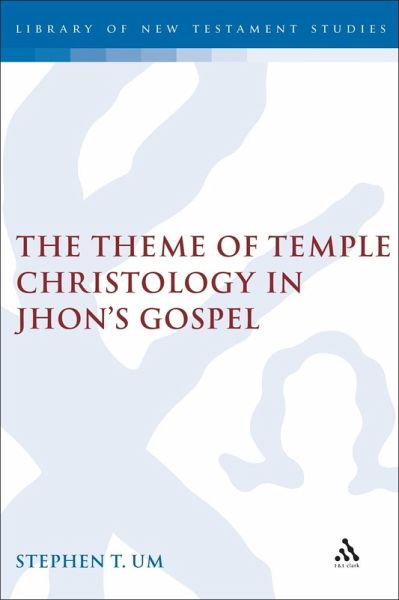
This study not only carefully investigates the Jewish tradition of water and Spirit as the normative background of John 4, but also develops temple Christology by connecting these distinct traditions of water and the Spirit as eschatological life for John's use of Spirit as the source of new creational life. The aim of this thesis is to answer the following three crucial questions in order to sustain the development of the temple Christological theme in John 4: 1) What does the image of water represent?; 2) What does it mean to worship in Spirit and truth?, and 3) How do the disparate parts…mehr
This study not only carefully investigates the Jewish tradition of water and Spirit as the normative background of John 4, but also develops temple Christology by connecting these distinct traditions of water and the Spirit as eschatological life for John's use of Spirit as the source of new creational life. The aim of this thesis is to answer the following three crucial questions in order to sustain the development of the temple Christological theme in John 4: 1) What does the image of water represent?; 2) What does it mean to worship in Spirit and truth?, and 3) How do the disparate parts (water scene [4:6-15] and the Spirit scene [4:20-26]) function as a whole?
Die Herstellerinformationen sind derzeit nicht verfügbar.
Autorenporträt
The Reverend Dr. Stephen Um is a graduate of Gordon-Conwell Theological Seminary (M.Div; Th.M.), and the University of St. Andrews in Scotland (Ph.D.). He teaches at Gordon-Conwell as a lecturer of New Testament.
Inhaltsangabe
1. The Various Scholarly Interpretations of John 4:1-26 INTRODUCTION AND PURPOSE 1. Survey of the Various Interpretations of John 4:1-26 a. Various types of interpretations 1. Historical-biographical 2. Symbolical (allegorical) 3. Salvation-historical (sacramental) 4. Reader-response criticism 5. Betrothal type scene 6. Christological (soteriological) b. Interpretations of the symbol of water 1. Water as a symbol for Revelation (Teaching/ Torah/ Wisdom) 2. Water as a symbol for the life-giving Spirit c. Interpretations of the Spirit 1. Spirit as human spirit 2. Spirit as the revealer 3. End-time new creational Spirit Summary 2. Water: A life-giving symbol in early Jewish literature (CA. 2nd Century BCE to 1st Century CE) INTRODUCTION 1. Literal Usage 2. figurative Usage 3. Water as an element of Judgment 4. Water as a cleansing agent 5. Life-giving restoration usage a. Edenic motif 1. Comparison of early Jewish and OT Garden of Eden Traditions 2. The theme of life in the Garden of Eden 3. References representing life with water as the source of life a. Genesis 2:10 b. 2 Enoch 8 c. The Apocalypse of Abraham 21 d. 1QH 16:4-26 1. 16:4-15 Literary analysis of content and structure 2. 16:4-15 OT parallels 3. 16:16-26 Literary analysis of content and structure 4. 16:16-26 OT Parallels e. Joseph and Aseneth 2:17-20 b. Water as a heavenly gift of life 1. Earthly blessings of life a. Dew as a heavenly gift b. Water as a source of life for people c. Water as a producer of a fertile harvest 2. End-time blessings........... a. Dew as an eschatological gift b. Water producing a fertile harvest and providing new creational life for people in the eschatological age Summary 3. The Concept of Spirit in Early Jewish Literature INTRODUCTION 1. 'Spirit of Prophecy' effecting charismatic revelation. 2. 'Spirit of Prophecy' effecting charismatic wisdom 3. 'Spirit of Prophecy' effecting prophetic speech 4. 'Spirit of Prophecy' effecting worship and praise 5. Spirit and power a. Creative Power 1. 4 Ez 6.39-41 a. Literary analysis of content/ context and structure b. OT Parallels ................. 2. Jud 16.13-14 ............ a. Literary analysis of content/ context and structure b. OT Parallels ............ b. Power and transformation-empowerment to do battle 1. LAB 27.10, 36.2 ......... a. Literary analysis of content/ context and structure b. OT Parallels .......... c. Power effecting ethical behavior 1. JosAsen 4.7 (8-10) [Jub 40.5-9] a. Literary analysis of content/ context and structure b. OT Parallels .......... 2. 1QH 8.15, 20 ........ a. Literary analysis of content/ context and structure b. OT Parallels .......... 3. 1QH 15.6-9 .......... a. Literary analysis of content/ context and structure b. OT Parallels .......... d. Eschatological Spirit of New Life 1. JosAsen 8.9 [10-11] ................................................................................213 a. Literary analysis of content/context and structure b. OT Parallels ..................... 2. 2 Baruch 23:5 ................. a. Literary analysis of content/context and structure b. OT Parallels ............ 3. 4Q521 Frag. 2 col. 2:6 a. Literary analysis of content/ context and structure b. OT Parallels .......... e. Creative Breath of Life (and New Life) 1. 2 Macc 7:22-23 ........ a. Literary analysis of content/context and structure b. OT Parallels .......... 2. WisSol 15:11.......... a. Literary analysis of content/context and structure b. OT Parallels ........... 3. 4 Ezra 3:5 ...................... a. Literary analysis of content/context and structure b. OT Parallels .......... 4. JosAsen 12:1......... a. Literary analysis of content/context and structure b. OT Parallels ............ Summary....................... 4. Thematic Analysis of John 4:6-26 ............................................................. 1. Does living water refer to Revelation (Torah/Wisdom) or is it a symbol representing life? a. Water as a symbol for Revelation(Torah/Wisdom)? b. Water as a symbol for life 1. Water as an eschatological, new creational blessing a. OT Background ......... b. John 4:6-15 in light of the Jewish understanding of water 2. Water and the Edenic Motif a. OT Background ...... b. Development of a Temple Christology in John in light of the Jewish understanding of water and the garden/temple motif 3. Why this life-giving symbol represents the Spirit 2. What does it mean to worship in Spirit and truth? a. Various interpretations of the Spirit in Jn 4:20-24 b. End-time new creational Spirit 1. What is meant by the clause,"God is Spirit" ? 2. What does it mean to worship in Spirit and truth ? a. How does "God is Spirit" relate to the statement, "to worship in Spirit and truth"? b. How is the concept of Spirit and eschatological life in early Judaism related to Jn 4:23-24? c. How do the other Johannine references of new creational life, namely Jn 3:5, 7:39 and 20:22, support this reading in 4:23-34? 371 3. Developing the theme of worship and Temple Christology 5. Conclusion......
1. The Various Scholarly Interpretations of John 4:1-26 INTRODUCTION AND PURPOSE 1. Survey of the Various Interpretations of John 4:1-26 a. Various types of interpretations 1. Historical-biographical 2. Symbolical (allegorical) 3. Salvation-historical (sacramental) 4. Reader-response criticism 5. Betrothal type scene 6. Christological (soteriological) b. Interpretations of the symbol of water 1. Water as a symbol for Revelation (Teaching/ Torah/ Wisdom) 2. Water as a symbol for the life-giving Spirit c. Interpretations of the Spirit 1. Spirit as human spirit 2. Spirit as the revealer 3. End-time new creational Spirit Summary 2. Water: A life-giving symbol in early Jewish literature (CA. 2nd Century BCE to 1st Century CE) INTRODUCTION 1. Literal Usage 2. figurative Usage 3. Water as an element of Judgment 4. Water as a cleansing agent 5. Life-giving restoration usage a. Edenic motif 1. Comparison of early Jewish and OT Garden of Eden Traditions 2. The theme of life in the Garden of Eden 3. References representing life with water as the source of life a. Genesis 2:10 b. 2 Enoch 8 c. The Apocalypse of Abraham 21 d. 1QH 16:4-26 1. 16:4-15 Literary analysis of content and structure 2. 16:4-15 OT parallels 3. 16:16-26 Literary analysis of content and structure 4. 16:16-26 OT Parallels e. Joseph and Aseneth 2:17-20 b. Water as a heavenly gift of life 1. Earthly blessings of life a. Dew as a heavenly gift b. Water as a source of life for people c. Water as a producer of a fertile harvest 2. End-time blessings........... a. Dew as an eschatological gift b. Water producing a fertile harvest and providing new creational life for people in the eschatological age Summary 3. The Concept of Spirit in Early Jewish Literature INTRODUCTION 1. 'Spirit of Prophecy' effecting charismatic revelation. 2. 'Spirit of Prophecy' effecting charismatic wisdom 3. 'Spirit of Prophecy' effecting prophetic speech 4. 'Spirit of Prophecy' effecting worship and praise 5. Spirit and power a. Creative Power 1. 4 Ez 6.39-41 a. Literary analysis of content/ context and structure b. OT Parallels ................. 2. Jud 16.13-14 ............ a. Literary analysis of content/ context and structure b. OT Parallels ............ b. Power and transformation-empowerment to do battle 1. LAB 27.10, 36.2 ......... a. Literary analysis of content/ context and structure b. OT Parallels .......... c. Power effecting ethical behavior 1. JosAsen 4.7 (8-10) [Jub 40.5-9] a. Literary analysis of content/ context and structure b. OT Parallels .......... 2. 1QH 8.15, 20 ........ a. Literary analysis of content/ context and structure b. OT Parallels .......... 3. 1QH 15.6-9 .......... a. Literary analysis of content/ context and structure b. OT Parallels .......... d. Eschatological Spirit of New Life 1. JosAsen 8.9 [10-11] ................................................................................213 a. Literary analysis of content/context and structure b. OT Parallels ..................... 2. 2 Baruch 23:5 ................. a. Literary analysis of content/context and structure b. OT Parallels ............ 3. 4Q521 Frag. 2 col. 2:6 a. Literary analysis of content/ context and structure b. OT Parallels .......... e. Creative Breath of Life (and New Life) 1. 2 Macc 7:22-23 ........ a. Literary analysis of content/context and structure b. OT Parallels .......... 2. WisSol 15:11.......... a. Literary analysis of content/context and structure b. OT Parallels ........... 3. 4 Ezra 3:5 ...................... a. Literary analysis of content/context and structure b. OT Parallels .......... 4. JosAsen 12:1......... a. Literary analysis of content/context and structure b. OT Parallels ............ Summary....................... 4. Thematic Analysis of John 4:6-26 ............................................................. 1. Does living water refer to Revelation (Torah/Wisdom) or is it a symbol representing life? a. Water as a symbol for Revelation(Torah/Wisdom)? b. Water as a symbol for life 1. Water as an eschatological, new creational blessing a. OT Background ......... b. John 4:6-15 in light of the Jewish understanding of water 2. Water and the Edenic Motif a. OT Background ...... b. Development of a Temple Christology in John in light of the Jewish understanding of water and the garden/temple motif 3. Why this life-giving symbol represents the Spirit 2. What does it mean to worship in Spirit and truth? a. Various interpretations of the Spirit in Jn 4:20-24 b. End-time new creational Spirit 1. What is meant by the clause,"God is Spirit" ? 2. What does it mean to worship in Spirit and truth ? a. How does "God is Spirit" relate to the statement, "to worship in Spirit and truth"? b. How is the concept of Spirit and eschatological life in early Judaism related to Jn 4:23-24? c. How do the other Johannine references of new creational life, namely Jn 3:5, 7:39 and 20:22, support this reading in 4:23-34? 371 3. Developing the theme of worship and Temple Christology 5. Conclusion......
Es gelten unsere Allgemeinen Geschäftsbedingungen: www.buecher.de/agb
Impressum
www.buecher.de ist ein Internetauftritt der buecher.de internetstores GmbH
Geschäftsführung: Monica Sawhney | Roland Kölbl | Günter Hilger
Sitz der Gesellschaft: Batheyer Straße 115 - 117, 58099 Hagen
Postanschrift: Bürgermeister-Wegele-Str. 12, 86167 Augsburg
Amtsgericht Hagen HRB 13257
Steuernummer: 321/5800/1497
USt-IdNr: DE450055826