Sie sind bereits eingeloggt. Klicken Sie auf 2. tolino select Abo, um fortzufahren.
Bitte loggen Sie sich zunächst in Ihr Kundenkonto ein oder registrieren Sie sich bei bücher.de, um das eBook-Abo tolino select nutzen zu können.
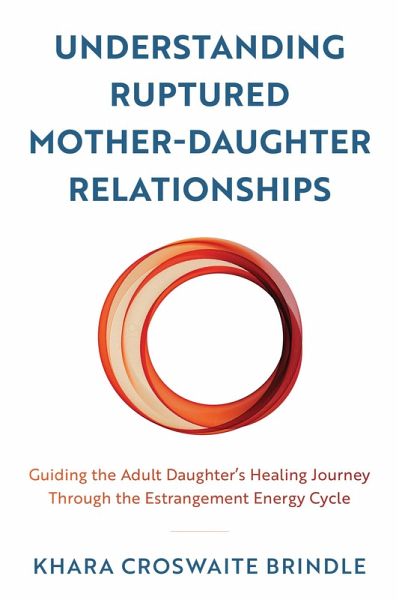
How can therapists feel prepared to address the possible treatment focus of ruptured maternal relationships in the therapeutic space? Depending on the client, the goal of therapy may be to repair an estranged maternal relationship or to finalize parental estrangement and redefine themself. This book focuses on identifying the estrangement cycle for clinical application with adult women clients by mental health professionals. It provides clinical tools to address the challenges of estrangement and adjustment needs of these clients within the spheres of personal identity, relationships, and…mehr
How can therapists feel prepared to address the possible treatment focus of ruptured maternal relationships in the therapeutic space? Depending on the client, the goal of therapy may be to repair an estranged maternal relationship or to finalize parental estrangement and redefine themself. This book focuses on identifying the estrangement cycle for clinical application with adult women clients by mental health professionals. It provides clinical tools to address the challenges of estrangement and adjustment needs of these clients within the spheres of personal identity, relationships, and grief and loss to promote personal growth and healing in the therapeutic space. It also engages readers by illustrating different stages of estrangement through client vignettes and by providing practical tools for mental health professionals to create a supportive and nonjudgmental space. With this resource, clinicians and clients will feel better equipped with the skills needed to tackle the emotional rollercoaster that is Estrangement Energy. The companion resource website can be found here: https://www.estrangementenergycycle.com
Die Herstellerinformationen sind derzeit nicht verfügbar.
Autorenporträt
Khara Croswaite Brindle is a consultant to mental health professionals nationwide and she values creating safe spaces for clinician healing. Khara is an established author of nine books, including Understanding Ruptured Mother-Daughter Relationships (2023, R&L) and Moving from ALERT to Acceptance: Helping Clinicians Heal from Client Suicide (2024, R&L).
Inhaltsangabe
Introduction Structure Identity Protection Author Experience CHAPTER 1: Estrangement Defined Terms of Estrangement Physical Versus Emotional Estrangement Family Frequency of Estrangement Sibling Estrangement The Stigma of Estrangement Mother-Daughter Estrangement Warning Signs for Daughters Warning Signs for Mothers Cultural Considerations Clinical Considerations Estrangement Explained CHAPTER 2: Long-Term Effects of Estrangement Symptoms of Estrangement Impact on Partners Impact on Siblings Impact on Children Impact on Other Family Members Impact on Friends and Community Members CHAPTER 3: Assumptions About Estrangement Selfishness Suddenness Therapist Recommendation Exaggerated Trauma Refusal to Reconcile Too Much Toxic False Memories Mental Health Problems Control Over Grandchildren CHAPTER 4: A Woman's Worth Mother-Child Attachment Partner Attachment Attachment Trauma Abuse Neglect Adverse Childhood Experiences (ACEs) CHAPTER 5: Introduction to the Estrangement Energy Cycle Figure 5.1. The Estrangement Energy Cycle CHAPTER 6: Cycle of Abuse Power and Control Gaslighting Financial Abuse Generational Trauma Minimizing Scapegoating Caregiving Defective/Denial Superior Parenting CHAPTER 7: Questioning Shame and Guilt Negative Core Beliefs Self-Doubt Emotion Dysregulation The Burden of Busyness Active Avoidance Self-Criticism Suicidal Ideation Perfectionism CHAPTER 8: Relationship Rupture CHAPTER 9: Therapeutic Tools for Estrangement Energy Shutting Down the Inner Critic Experiencing Anticipatory Grief Challenging Ambivalence Exploring Forgiveness Understanding the Fight-or-Flight Response Addressing Elevated Anxiety Watching for Warning Signs Exploring EMDR Staying Present CHAPTER 10: Grief and Loss CHAPTER 11: Discovering Sense of Self Successful Self Trauma Personification Identity Formation Sobriety Versus Recovery Compassionate Touch Reconciled Relationship Positive Role Model Professional Helper Safe Space CHAPTER 12: Deeper Work Theme #1: What Happened Is a Part of Me, But Doesn't Define Me Theme #2: I Know and Trust Myself Theme #3: I Can Change This Trauma Legacy for My Children CHAPTER 13: Redefining Self-Worth CHAPTER 14: Revisiting the Cycle Figure 14.1. The Estrangement Energy Cycle CHAPTER 15: Treating Men Who Are Estranged CHAPTER 16: Clinical Competencies in Estrangement Assessment Professionalism Intervention CHAPTER 17: When Someone You Know Is Estranged For Partners For Parents Readiness for Reconciliation Parent Dynamics Shared Grief Supporting Self-Awareness For Siblings For Friends and Community Members DO DON'T CHAPTER 18: Dating and Estrangement 121 CHAPTER 19: Life After Estrangement 127 CHAPTER 20: A Final Look at Estrangement Energy Appendix A: Warning Signs in the Mother-Daughter Relationship Appendix B: The Estrangement Energy Cycle Appendix C: Estrangement Energy Therapeutic Tools Exercise 7.1. Negative Core Beliefs Tree Exercise 7.2. Dialectical Behavioral Therapy (DBT) Wise Mind Exercise 9.1. Inner Critic Personification Exercise 9.2. Letter of Divorce Exercise 9.3. Cognitive Behavioral Therapy (CBT) Best-Worst-Most Likely Exercise 9.4. Trauma Family Tree Exercise 9.5. 5-4-3-2-1 Exercise 9.6. Thought-Stopping Technique Exercise 9.7. Watch Your Warning Signs Exercise 9.8. Eye Movement Desensitization and Reprocessing (EMDR) Resource List Exercise 9.9. Five Senses Coping Kit Exercise 11.1. Successful Self-Visualization Exercise 11.2. Trauma Personification Exercise 11.3. Who Am I Reflection Exercise 11.4. Self-Portrait Exercise Exercise 11.5. Compassionate Touch Exercise Exercise 11.6. Power Poses (Courtesy of Amy Cuddy) Exercise 11.7. Mindful Walking Exercise 11.8. Wellness Recovery Action Plan (WRAP) Exercise 11.9. Safe Space Exercise 12.1. Thought Diffusion Exercise 12.2. Container Exercise Exercise 12.3. Internal Family Systems (IFS) Self-Meditation Exercise 14.1. Emotional Freedom Technique (EFT) Tapping Appendix D: Estrangement Clinical Competencies and Self-Assessment Appendix E: Group Processing Questions For Therapeutic Groups For Book Club Discussion References Index About the Author
Introduction Structure Identity Protection Author Experience CHAPTER 1: Estrangement Defined Terms of Estrangement Physical Versus Emotional Estrangement Family Frequency of Estrangement Sibling Estrangement The Stigma of Estrangement Mother-Daughter Estrangement Warning Signs for Daughters Warning Signs for Mothers Cultural Considerations Clinical Considerations Estrangement Explained CHAPTER 2: Long-Term Effects of Estrangement Symptoms of Estrangement Impact on Partners Impact on Siblings Impact on Children Impact on Other Family Members Impact on Friends and Community Members CHAPTER 3: Assumptions About Estrangement Selfishness Suddenness Therapist Recommendation Exaggerated Trauma Refusal to Reconcile Too Much Toxic False Memories Mental Health Problems Control Over Grandchildren CHAPTER 4: A Woman's Worth Mother-Child Attachment Partner Attachment Attachment Trauma Abuse Neglect Adverse Childhood Experiences (ACEs) CHAPTER 5: Introduction to the Estrangement Energy Cycle Figure 5.1. The Estrangement Energy Cycle CHAPTER 6: Cycle of Abuse Power and Control Gaslighting Financial Abuse Generational Trauma Minimizing Scapegoating Caregiving Defective/Denial Superior Parenting CHAPTER 7: Questioning Shame and Guilt Negative Core Beliefs Self-Doubt Emotion Dysregulation The Burden of Busyness Active Avoidance Self-Criticism Suicidal Ideation Perfectionism CHAPTER 8: Relationship Rupture CHAPTER 9: Therapeutic Tools for Estrangement Energy Shutting Down the Inner Critic Experiencing Anticipatory Grief Challenging Ambivalence Exploring Forgiveness Understanding the Fight-or-Flight Response Addressing Elevated Anxiety Watching for Warning Signs Exploring EMDR Staying Present CHAPTER 10: Grief and Loss CHAPTER 11: Discovering Sense of Self Successful Self Trauma Personification Identity Formation Sobriety Versus Recovery Compassionate Touch Reconciled Relationship Positive Role Model Professional Helper Safe Space CHAPTER 12: Deeper Work Theme #1: What Happened Is a Part of Me, But Doesn't Define Me Theme #2: I Know and Trust Myself Theme #3: I Can Change This Trauma Legacy for My Children CHAPTER 13: Redefining Self-Worth CHAPTER 14: Revisiting the Cycle Figure 14.1. The Estrangement Energy Cycle CHAPTER 15: Treating Men Who Are Estranged CHAPTER 16: Clinical Competencies in Estrangement Assessment Professionalism Intervention CHAPTER 17: When Someone You Know Is Estranged For Partners For Parents Readiness for Reconciliation Parent Dynamics Shared Grief Supporting Self-Awareness For Siblings For Friends and Community Members DO DON'T CHAPTER 18: Dating and Estrangement 121 CHAPTER 19: Life After Estrangement 127 CHAPTER 20: A Final Look at Estrangement Energy Appendix A: Warning Signs in the Mother-Daughter Relationship Appendix B: The Estrangement Energy Cycle Appendix C: Estrangement Energy Therapeutic Tools Exercise 7.1. Negative Core Beliefs Tree Exercise 7.2. Dialectical Behavioral Therapy (DBT) Wise Mind Exercise 9.1. Inner Critic Personification Exercise 9.2. Letter of Divorce Exercise 9.3. Cognitive Behavioral Therapy (CBT) Best-Worst-Most Likely Exercise 9.4. Trauma Family Tree Exercise 9.5. 5-4-3-2-1 Exercise 9.6. Thought-Stopping Technique Exercise 9.7. Watch Your Warning Signs Exercise 9.8. Eye Movement Desensitization and Reprocessing (EMDR) Resource List Exercise 9.9. Five Senses Coping Kit Exercise 11.1. Successful Self-Visualization Exercise 11.2. Trauma Personification Exercise 11.3. Who Am I Reflection Exercise 11.4. Self-Portrait Exercise Exercise 11.5. Compassionate Touch Exercise Exercise 11.6. Power Poses (Courtesy of Amy Cuddy) Exercise 11.7. Mindful Walking Exercise 11.8. Wellness Recovery Action Plan (WRAP) Exercise 11.9. Safe Space Exercise 12.1. Thought Diffusion Exercise 12.2. Container Exercise Exercise 12.3. Internal Family Systems (IFS) Self-Meditation Exercise 14.1. Emotional Freedom Technique (EFT) Tapping Appendix D: Estrangement Clinical Competencies and Self-Assessment Appendix E: Group Processing Questions For Therapeutic Groups For Book Club Discussion References Index About the Author
Es gelten unsere Allgemeinen Geschäftsbedingungen: www.buecher.de/agb
Impressum
www.buecher.de ist ein Internetauftritt der buecher.de internetstores GmbH
Geschäftsführung: Monica Sawhney | Roland Kölbl | Günter Hilger
Sitz der Gesellschaft: Batheyer Straße 115 - 117, 58099 Hagen
Postanschrift: Bürgermeister-Wegele-Str. 12, 86167 Augsburg
Amtsgericht Hagen HRB 13257
Steuernummer: 321/5800/1497
USt-IdNr: DE450055826