
Andere Kunden interessierten sich auch für
 Performing Magic on the Western Stage76,99 €
 Cinema of the United States32,99 €
 German Images of the Self and the Other38,99 €
 Communist Infiltration of Hollywood Motion-picture Industry: Hearing Before the Committee on Un-American Activities, House of Representatives, Eighty-29,99 €
 Communist Infiltration of Hollywood Motion-picture Industry: Hearing Before the Committee on Un-American Activities, House of Representatives, Eighty-31,99 €
 The New Film History38,99 €
 Behind the Screen76,99 €





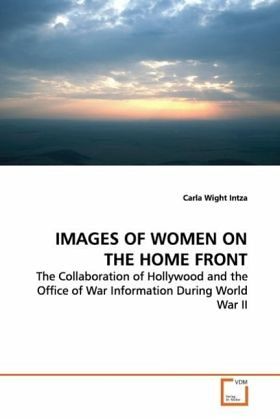
Six months after the Japanese attack on Pearl
Harbor in June of 1942 President Franklin Delano
Roosevelt formed the Office of War Information by
Executive Order, ostensibly to educate the American
public on war activity. That same month, OWI
developed the Government Information Manual for the
Motion Picture Industry. The fifth theme of this
moviemaking guide was The Home Front. Here, in a
bifurcated study, the author draws on Manual
directives and relevant contributions from major
Hollywood sources to determine whether propaganda
charges are upheld in the film products themselves.
Films analyzed are Selznick''s quintessential Since
You Went Away (1944) starring Claudette Colbert,
Tender Comrade (1943) with Ginger Rogers, and Pin Up
Girl (1944) starring Betty Grable. For fans of
classical Hollywood, as well as those wanting a
closer look at historical issues of propaganda and
collectivism, this book provides an entertaining yet
provocative behind-the-scenes analysis of a country
at war showing how the U.S. federal government and
Hollywood collaborated in creating very specific film
images of women on the World War II home front.
Harbor in June of 1942 President Franklin Delano
Roosevelt formed the Office of War Information by
Executive Order, ostensibly to educate the American
public on war activity. That same month, OWI
developed the Government Information Manual for the
Motion Picture Industry. The fifth theme of this
moviemaking guide was The Home Front. Here, in a
bifurcated study, the author draws on Manual
directives and relevant contributions from major
Hollywood sources to determine whether propaganda
charges are upheld in the film products themselves.
Films analyzed are Selznick''s quintessential Since
You Went Away (1944) starring Claudette Colbert,
Tender Comrade (1943) with Ginger Rogers, and Pin Up
Girl (1944) starring Betty Grable. For fans of
classical Hollywood, as well as those wanting a
closer look at historical issues of propaganda and
collectivism, this book provides an entertaining yet
provocative behind-the-scenes analysis of a country
at war showing how the U.S. federal government and
Hollywood collaborated in creating very specific film
images of women on the World War II home front.