
Elena Castellano-Ortolà
Agencies in Feminist Translator Studies
Barbara Godard and the Crossroads of Literature in Canada

Elena Castellano-Ortolà
Agencies in Feminist Translator Studies
Barbara Godard and the Crossroads of Literature in Canada
- Broschiertes Buch
- Merkliste
- Auf die Merkliste
- Bewerten Bewerten
- Teilen
- Produkt teilen
- Produkterinnerung
- Produkterinnerung
This book draws on the legacy of Canadian scholar Barbara Godard and her work in establishing the Canadian literary landscape as a means of exploring agency in feminist translation studies.
Andere Kunden interessierten sich auch für
 Barbara TomlinsonFeminism and Affect at the Scene of Argument: Beyond the Trope of the Angry Feminist30,99 €
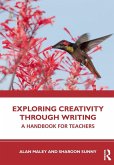
 Alan MaleyExploring Creativity Through Writing38,99 €
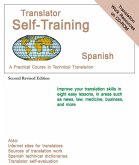
 Morry SoferTranslator Self Training Spanish49,99 €
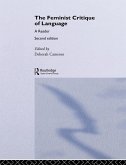
 Deborah CameronFeminist Critique of Language62,99 €
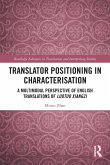
 Minru ZhaoTranslator Positioning in Characterisation55,99 €
 Morry SoferTranslator Self Train Russian 2ed49,99 €
 Manny RaynerThe Spoken Language Translator54,99 €
-
-
-


This book draws on the legacy of Canadian scholar Barbara Godard and her work in establishing the Canadian literary landscape as a means of exploring agency in feminist translation studies.
Produktdetails
- Produktdetails
- Verlag: Routledge
- Seitenzahl: 208
- Erscheinungstermin: 29. August 2025
- Englisch
- Abmessung: 229mm x 152mm x 11mm
- Gewicht: 309g
- ISBN-13: 9781032523873
- ISBN-10: 1032523875
- Artikelnr.: 74981439
- Herstellerkennzeichnung
- Libri GmbH
- Europaallee 1
- 36244 Bad Hersfeld
- gpsr@libri.de
- Verlag: Routledge
- Seitenzahl: 208
- Erscheinungstermin: 29. August 2025
- Englisch
- Abmessung: 229mm x 152mm x 11mm
- Gewicht: 309g
- ISBN-13: 9781032523873
- ISBN-10: 1032523875
- Artikelnr.: 74981439
- Herstellerkennzeichnung
- Libri GmbH
- Europaallee 1
- 36244 Bad Hersfeld
- gpsr@libri.de
Elena Castellano-Ortolà is an associate lecturer in the Department of English and German Studies at the Universitat de València. A former postdoctoral fellow, she also collaborates regularly with the Université Bordeaux-Montaigne.
Contents
Part 1: Cross-Disciplinary Feminisms: Towards Feminist Translator Studies
1. Introduction. Feminisms, disciplinary politics, and translation: Defying
knowledge
1.1 A Feminist stance on the (re-)production of knowledge
1.2. Feminisms, disciplinary politics and translation
1.3. A feminist, agency-driven view on translation (history)
2. Feminist Translator Studies: A Cross-Disciplinary Hub
2.1. Feminist Translator Studies: Agency, discursiveness
2.2. Towards Feminist Translator Studies
2.3. Critical Discourse Methodologies for Feminist Translator History:
Feminist Translation as a Form of FCDA
3. Telling the narrator's tale: The legacy of Barbara Godard's agency
3.1. The narrator
3.2. The tale
Part 2: A Feminist Translator's Portrait: Barbara Godard's agency at the
crossroads of literature in Canada
4. Arrival at York University: In the chinks of the Canada Council machine
4.1. Establishment? A point of departure
4.2. "English-Canada's New Wild West": Québec's Rebellious Literary Search
for Identity
4.3. Intercultural Canada? The Literary Translators Association (LTAC)
4.4. Stagnation?
4.5. Arrival at York University: The Canada Council Years
4.6. Godard's Tale of Don L'Orignal (1978): Channeling Maillet's Roman
Acadien
5. Breaking into academia: The golden age of Canadian-feminist translation
5.1. "Roman national or récit féminin?": The reception of a literary
(Feminist) Québécois Identity
5.2. Feminist Criticism as the first truly transnational Canadian dialogue
5.3. The Golden Age of Canadian-Feminist Translators
5.4. L'amèr (1977) and These Our Mothers (1984): Godard's First
Approximation to Brossard's Fiction Theory
6. Passing on The Mission: New Questionings
6.1. Self-Criticism: The emergence of Canadian (Literary) Translation
Studies
6.2. Collaboration, Polyphony: Translation becomes self-conscious feminist
activism
6.3. Loose ends
6.4. Overture: The Last Academic Voices of Canadian-Feminist Translation
6.5. "Je déparle yes I unspeak": A collaborative translation of Lola Lemire
Tostevin's bilingual feminist poetry (1989)
Part 3: Future directions
7. Feminisms, Nation, Translation: Barbara Godard's Periplum and the fate
of Canadian Feminist Translation Studies
7.1. Decline of the Canadian dream
7.2. Divergence in the CanLit ranks: (Im-)Possibilities of the Woman/Nation
Binomial
8. Un-Charting The future of the dialogue between translators and feminisms
8.1. Prospects: Disciplinary politics and (Translative) Feminisms
Index
Part 1: Cross-Disciplinary Feminisms: Towards Feminist Translator Studies
1. Introduction. Feminisms, disciplinary politics, and translation: Defying
knowledge
1.1 A Feminist stance on the (re-)production of knowledge
1.2. Feminisms, disciplinary politics and translation
1.3. A feminist, agency-driven view on translation (history)
2. Feminist Translator Studies: A Cross-Disciplinary Hub
2.1. Feminist Translator Studies: Agency, discursiveness
2.2. Towards Feminist Translator Studies
2.3. Critical Discourse Methodologies for Feminist Translator History:
Feminist Translation as a Form of FCDA
3. Telling the narrator's tale: The legacy of Barbara Godard's agency
3.1. The narrator
3.2. The tale
Part 2: A Feminist Translator's Portrait: Barbara Godard's agency at the
crossroads of literature in Canada
4. Arrival at York University: In the chinks of the Canada Council machine
4.1. Establishment? A point of departure
4.2. "English-Canada's New Wild West": Québec's Rebellious Literary Search
for Identity
4.3. Intercultural Canada? The Literary Translators Association (LTAC)
4.4. Stagnation?
4.5. Arrival at York University: The Canada Council Years
4.6. Godard's Tale of Don L'Orignal (1978): Channeling Maillet's Roman
Acadien
5. Breaking into academia: The golden age of Canadian-feminist translation
5.1. "Roman national or récit féminin?": The reception of a literary
(Feminist) Québécois Identity
5.2. Feminist Criticism as the first truly transnational Canadian dialogue
5.3. The Golden Age of Canadian-Feminist Translators
5.4. L'amèr (1977) and These Our Mothers (1984): Godard's First
Approximation to Brossard's Fiction Theory
6. Passing on The Mission: New Questionings
6.1. Self-Criticism: The emergence of Canadian (Literary) Translation
Studies
6.2. Collaboration, Polyphony: Translation becomes self-conscious feminist
activism
6.3. Loose ends
6.4. Overture: The Last Academic Voices of Canadian-Feminist Translation
6.5. "Je déparle yes I unspeak": A collaborative translation of Lola Lemire
Tostevin's bilingual feminist poetry (1989)
Part 3: Future directions
7. Feminisms, Nation, Translation: Barbara Godard's Periplum and the fate
of Canadian Feminist Translation Studies
7.1. Decline of the Canadian dream
7.2. Divergence in the CanLit ranks: (Im-)Possibilities of the Woman/Nation
Binomial
8. Un-Charting The future of the dialogue between translators and feminisms
8.1. Prospects: Disciplinary politics and (Translative) Feminisms
Index
Contents
Part 1: Cross-Disciplinary Feminisms: Towards Feminist Translator Studies
1. Introduction. Feminisms, disciplinary politics, and translation: Defying knowledge
1.1 A Feminist stance on the (re-)production of knowledge
1.2. Feminisms, disciplinary politics and translation
1.3. A feminist, agency-driven view on translation (history)
2. Feminist Translator Studies: A Cross-Disciplinary Hub
2.1. Feminist Translator Studies: Agency, discursiveness
2.2. Towards Feminist Translator Studies
2.3. Critical Discourse Methodologies for Feminist Translator History: Feminist Translation as a Form of FCDA
3. Telling the narrator's tale: The legacy of Barbara Godard's agency
3.1. The narrator
3.2. The tale
Part 2: A Feminist Translator's Portrait: Barbara Godard's agency at the crossroads of literature in Canada
4. Arrival at York University: In the chinks of the Canada Council machine
4.1. Establishment? A point of departure
4.2. "English-Canada's New Wild West": Québec's Rebellious Literary Search for Identity
4.3. Intercultural Canada? The Literary Translators Association (LTAC)
4.4. Stagnation?
4.5. Arrival at York University: The Canada Council Years
4.6. Godard's Tale of Don L'Orignal (1978): Channeling Maillet's Roman Acadien
5. Breaking into academia: The golden age of Canadian-feminist translation
5.1. "Roman national or récit féminin?": The reception of a literary (Feminist) Québécois Identity
5.2. Feminist Criticism as the first truly transnational Canadian dialogue
5.3. The Golden Age of Canadian-Feminist Translators
5.4. L'amèr (1977) and These Our Mothers (1984): Godard's First Approximation to Brossard's Fiction Theory
6. Passing on The Mission: New Questionings
6.1. Self-Criticism: The emergence of Canadian (Literary) Translation Studies
6.2. Collaboration, Polyphony: Translation becomes self-conscious feminist activism
6.3. Loose ends
6.4. Overture: The Last Academic Voices of Canadian-Feminist Translation
6.5. "Je déparle yes I unspeak": A collaborative translation of Lola Lemire Tostevin's bilingual feminist poetry (1989)
Part 3: Future directions
7. Feminisms, Nation, Translation: Barbara Godard's Periplum and the fate of Canadian Feminist Translation Studies
7.1. Decline of the Canadian dream
7.2. Divergence in the CanLit ranks: (Im-)Possibilities of the Woman/Nation Binomial
8. Un-Charting The future of the dialogue between translators and feminisms
8.1. Prospects: Disciplinary politics and (Translative) Feminisms
Index
Part 1: Cross-Disciplinary Feminisms: Towards Feminist Translator Studies
1. Introduction. Feminisms, disciplinary politics, and translation: Defying knowledge
1.1 A Feminist stance on the (re-)production of knowledge
1.2. Feminisms, disciplinary politics and translation
1.3. A feminist, agency-driven view on translation (history)
2. Feminist Translator Studies: A Cross-Disciplinary Hub
2.1. Feminist Translator Studies: Agency, discursiveness
2.2. Towards Feminist Translator Studies
2.3. Critical Discourse Methodologies for Feminist Translator History: Feminist Translation as a Form of FCDA
3. Telling the narrator's tale: The legacy of Barbara Godard's agency
3.1. The narrator
3.2. The tale
Part 2: A Feminist Translator's Portrait: Barbara Godard's agency at the crossroads of literature in Canada
4. Arrival at York University: In the chinks of the Canada Council machine
4.1. Establishment? A point of departure
4.2. "English-Canada's New Wild West": Québec's Rebellious Literary Search for Identity
4.3. Intercultural Canada? The Literary Translators Association (LTAC)
4.4. Stagnation?
4.5. Arrival at York University: The Canada Council Years
4.6. Godard's Tale of Don L'Orignal (1978): Channeling Maillet's Roman Acadien
5. Breaking into academia: The golden age of Canadian-feminist translation
5.1. "Roman national or récit féminin?": The reception of a literary (Feminist) Québécois Identity
5.2. Feminist Criticism as the first truly transnational Canadian dialogue
5.3. The Golden Age of Canadian-Feminist Translators
5.4. L'amèr (1977) and These Our Mothers (1984): Godard's First Approximation to Brossard's Fiction Theory
6. Passing on The Mission: New Questionings
6.1. Self-Criticism: The emergence of Canadian (Literary) Translation Studies
6.2. Collaboration, Polyphony: Translation becomes self-conscious feminist activism
6.3. Loose ends
6.4. Overture: The Last Academic Voices of Canadian-Feminist Translation
6.5. "Je déparle yes I unspeak": A collaborative translation of Lola Lemire Tostevin's bilingual feminist poetry (1989)
Part 3: Future directions
7. Feminisms, Nation, Translation: Barbara Godard's Periplum and the fate of Canadian Feminist Translation Studies
7.1. Decline of the Canadian dream
7.2. Divergence in the CanLit ranks: (Im-)Possibilities of the Woman/Nation Binomial
8. Un-Charting The future of the dialogue between translators and feminisms
8.1. Prospects: Disciplinary politics and (Translative) Feminisms
Index
Contents
Part 1: Cross-Disciplinary Feminisms: Towards Feminist Translator Studies
1. Introduction. Feminisms, disciplinary politics, and translation: Defying
knowledge
1.1 A Feminist stance on the (re-)production of knowledge
1.2. Feminisms, disciplinary politics and translation
1.3. A feminist, agency-driven view on translation (history)
2. Feminist Translator Studies: A Cross-Disciplinary Hub
2.1. Feminist Translator Studies: Agency, discursiveness
2.2. Towards Feminist Translator Studies
2.3. Critical Discourse Methodologies for Feminist Translator History:
Feminist Translation as a Form of FCDA
3. Telling the narrator's tale: The legacy of Barbara Godard's agency
3.1. The narrator
3.2. The tale
Part 2: A Feminist Translator's Portrait: Barbara Godard's agency at the
crossroads of literature in Canada
4. Arrival at York University: In the chinks of the Canada Council machine
4.1. Establishment? A point of departure
4.2. "English-Canada's New Wild West": Québec's Rebellious Literary Search
for Identity
4.3. Intercultural Canada? The Literary Translators Association (LTAC)
4.4. Stagnation?
4.5. Arrival at York University: The Canada Council Years
4.6. Godard's Tale of Don L'Orignal (1978): Channeling Maillet's Roman
Acadien
5. Breaking into academia: The golden age of Canadian-feminist translation
5.1. "Roman national or récit féminin?": The reception of a literary
(Feminist) Québécois Identity
5.2. Feminist Criticism as the first truly transnational Canadian dialogue
5.3. The Golden Age of Canadian-Feminist Translators
5.4. L'amèr (1977) and These Our Mothers (1984): Godard's First
Approximation to Brossard's Fiction Theory
6. Passing on The Mission: New Questionings
6.1. Self-Criticism: The emergence of Canadian (Literary) Translation
Studies
6.2. Collaboration, Polyphony: Translation becomes self-conscious feminist
activism
6.3. Loose ends
6.4. Overture: The Last Academic Voices of Canadian-Feminist Translation
6.5. "Je déparle yes I unspeak": A collaborative translation of Lola Lemire
Tostevin's bilingual feminist poetry (1989)
Part 3: Future directions
7. Feminisms, Nation, Translation: Barbara Godard's Periplum and the fate
of Canadian Feminist Translation Studies
7.1. Decline of the Canadian dream
7.2. Divergence in the CanLit ranks: (Im-)Possibilities of the Woman/Nation
Binomial
8. Un-Charting The future of the dialogue between translators and feminisms
8.1. Prospects: Disciplinary politics and (Translative) Feminisms
Index
Part 1: Cross-Disciplinary Feminisms: Towards Feminist Translator Studies
1. Introduction. Feminisms, disciplinary politics, and translation: Defying
knowledge
1.1 A Feminist stance on the (re-)production of knowledge
1.2. Feminisms, disciplinary politics and translation
1.3. A feminist, agency-driven view on translation (history)
2. Feminist Translator Studies: A Cross-Disciplinary Hub
2.1. Feminist Translator Studies: Agency, discursiveness
2.2. Towards Feminist Translator Studies
2.3. Critical Discourse Methodologies for Feminist Translator History:
Feminist Translation as a Form of FCDA
3. Telling the narrator's tale: The legacy of Barbara Godard's agency
3.1. The narrator
3.2. The tale
Part 2: A Feminist Translator's Portrait: Barbara Godard's agency at the
crossroads of literature in Canada
4. Arrival at York University: In the chinks of the Canada Council machine
4.1. Establishment? A point of departure
4.2. "English-Canada's New Wild West": Québec's Rebellious Literary Search
for Identity
4.3. Intercultural Canada? The Literary Translators Association (LTAC)
4.4. Stagnation?
4.5. Arrival at York University: The Canada Council Years
4.6. Godard's Tale of Don L'Orignal (1978): Channeling Maillet's Roman
Acadien
5. Breaking into academia: The golden age of Canadian-feminist translation
5.1. "Roman national or récit féminin?": The reception of a literary
(Feminist) Québécois Identity
5.2. Feminist Criticism as the first truly transnational Canadian dialogue
5.3. The Golden Age of Canadian-Feminist Translators
5.4. L'amèr (1977) and These Our Mothers (1984): Godard's First
Approximation to Brossard's Fiction Theory
6. Passing on The Mission: New Questionings
6.1. Self-Criticism: The emergence of Canadian (Literary) Translation
Studies
6.2. Collaboration, Polyphony: Translation becomes self-conscious feminist
activism
6.3. Loose ends
6.4. Overture: The Last Academic Voices of Canadian-Feminist Translation
6.5. "Je déparle yes I unspeak": A collaborative translation of Lola Lemire
Tostevin's bilingual feminist poetry (1989)
Part 3: Future directions
7. Feminisms, Nation, Translation: Barbara Godard's Periplum and the fate
of Canadian Feminist Translation Studies
7.1. Decline of the Canadian dream
7.2. Divergence in the CanLit ranks: (Im-)Possibilities of the Woman/Nation
Binomial
8. Un-Charting The future of the dialogue between translators and feminisms
8.1. Prospects: Disciplinary politics and (Translative) Feminisms
Index
Contents
Part 1: Cross-Disciplinary Feminisms: Towards Feminist Translator Studies
1. Introduction. Feminisms, disciplinary politics, and translation: Defying knowledge
1.1 A Feminist stance on the (re-)production of knowledge
1.2. Feminisms, disciplinary politics and translation
1.3. A feminist, agency-driven view on translation (history)
2. Feminist Translator Studies: A Cross-Disciplinary Hub
2.1. Feminist Translator Studies: Agency, discursiveness
2.2. Towards Feminist Translator Studies
2.3. Critical Discourse Methodologies for Feminist Translator History: Feminist Translation as a Form of FCDA
3. Telling the narrator's tale: The legacy of Barbara Godard's agency
3.1. The narrator
3.2. The tale
Part 2: A Feminist Translator's Portrait: Barbara Godard's agency at the crossroads of literature in Canada
4. Arrival at York University: In the chinks of the Canada Council machine
4.1. Establishment? A point of departure
4.2. "English-Canada's New Wild West": Québec's Rebellious Literary Search for Identity
4.3. Intercultural Canada? The Literary Translators Association (LTAC)
4.4. Stagnation?
4.5. Arrival at York University: The Canada Council Years
4.6. Godard's Tale of Don L'Orignal (1978): Channeling Maillet's Roman Acadien
5. Breaking into academia: The golden age of Canadian-feminist translation
5.1. "Roman national or récit féminin?": The reception of a literary (Feminist) Québécois Identity
5.2. Feminist Criticism as the first truly transnational Canadian dialogue
5.3. The Golden Age of Canadian-Feminist Translators
5.4. L'amèr (1977) and These Our Mothers (1984): Godard's First Approximation to Brossard's Fiction Theory
6. Passing on The Mission: New Questionings
6.1. Self-Criticism: The emergence of Canadian (Literary) Translation Studies
6.2. Collaboration, Polyphony: Translation becomes self-conscious feminist activism
6.3. Loose ends
6.4. Overture: The Last Academic Voices of Canadian-Feminist Translation
6.5. "Je déparle yes I unspeak": A collaborative translation of Lola Lemire Tostevin's bilingual feminist poetry (1989)
Part 3: Future directions
7. Feminisms, Nation, Translation: Barbara Godard's Periplum and the fate of Canadian Feminist Translation Studies
7.1. Decline of the Canadian dream
7.2. Divergence in the CanLit ranks: (Im-)Possibilities of the Woman/Nation Binomial
8. Un-Charting The future of the dialogue between translators and feminisms
8.1. Prospects: Disciplinary politics and (Translative) Feminisms
Index
Part 1: Cross-Disciplinary Feminisms: Towards Feminist Translator Studies
1. Introduction. Feminisms, disciplinary politics, and translation: Defying knowledge
1.1 A Feminist stance on the (re-)production of knowledge
1.2. Feminisms, disciplinary politics and translation
1.3. A feminist, agency-driven view on translation (history)
2. Feminist Translator Studies: A Cross-Disciplinary Hub
2.1. Feminist Translator Studies: Agency, discursiveness
2.2. Towards Feminist Translator Studies
2.3. Critical Discourse Methodologies for Feminist Translator History: Feminist Translation as a Form of FCDA
3. Telling the narrator's tale: The legacy of Barbara Godard's agency
3.1. The narrator
3.2. The tale
Part 2: A Feminist Translator's Portrait: Barbara Godard's agency at the crossroads of literature in Canada
4. Arrival at York University: In the chinks of the Canada Council machine
4.1. Establishment? A point of departure
4.2. "English-Canada's New Wild West": Québec's Rebellious Literary Search for Identity
4.3. Intercultural Canada? The Literary Translators Association (LTAC)
4.4. Stagnation?
4.5. Arrival at York University: The Canada Council Years
4.6. Godard's Tale of Don L'Orignal (1978): Channeling Maillet's Roman Acadien
5. Breaking into academia: The golden age of Canadian-feminist translation
5.1. "Roman national or récit féminin?": The reception of a literary (Feminist) Québécois Identity
5.2. Feminist Criticism as the first truly transnational Canadian dialogue
5.3. The Golden Age of Canadian-Feminist Translators
5.4. L'amèr (1977) and These Our Mothers (1984): Godard's First Approximation to Brossard's Fiction Theory
6. Passing on The Mission: New Questionings
6.1. Self-Criticism: The emergence of Canadian (Literary) Translation Studies
6.2. Collaboration, Polyphony: Translation becomes self-conscious feminist activism
6.3. Loose ends
6.4. Overture: The Last Academic Voices of Canadian-Feminist Translation
6.5. "Je déparle yes I unspeak": A collaborative translation of Lola Lemire Tostevin's bilingual feminist poetry (1989)
Part 3: Future directions
7. Feminisms, Nation, Translation: Barbara Godard's Periplum and the fate of Canadian Feminist Translation Studies
7.1. Decline of the Canadian dream
7.2. Divergence in the CanLit ranks: (Im-)Possibilities of the Woman/Nation Binomial
8. Un-Charting The future of the dialogue between translators and feminisms
8.1. Prospects: Disciplinary politics and (Translative) Feminisms
Index