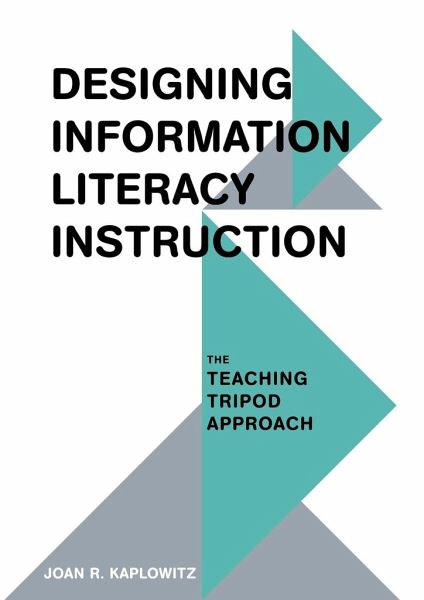
Designing Information Literacy Instruction: The Teaching Tripod Approach provides a working knowledge of how instructional design (ID) applies to information literacy instruction (ILI). Its "how to do it" approach is directed at instruction librarians in all library settings and deals with both face-to-face and online ID issues. Based on Kaplowitz’s innovative Teaching Tripod model, it will help instructional librarians clearly define the crucial links between outcomes, activities, and assessment.
Designing Information Literacy Instruction: The Teaching Tripod Approach provides a working knowledge of how instructional design (ID) applies to information literacy instruction (ILI). Its "how to do it" approach is directed at instruction librarians in all library settings and deals with both face-to-face and online ID issues. Based on Kaplowitz’s innovative Teaching Tripod model, it will help instructional librarians clearly define the crucial links between outcomes, activities, and assessment.
Chapter 1 Why Do I Need to Know about Instructional Design? What does Instructional Design Have to Offer? Information Literacy Instruction in Today's World Instructional Design - the Foundation of Effective Teaching Why Librarians Should Learn about Instructional Design Librarians as Teachers Instructional Design, Information Literacy Instruction and Technology Instructional Design and Learner-Centered-Teaching Wrap Up What Stuck? References Chapter 2 What Do I Need to Know about Instructional Design? So What is Instructional Design Anyway? Where Did Instructional Design Come From? What are Some Instructional Design Models/Approaches? How Did Instruction Librarians Respond? What Does All This Mean to You? Wrap Up What Stuck? References Chapter 3 What is the Teaching Tripod? - An Overview Why Do Instruction Librarians Need Something Different? The Teaching Tripod Approach in a Nutshell Beyond the Teaching Tripod: Needs Assessment, Implementation/Delivery Fitting It All Together Context, Lead Time and Scope Going Beyond the Tripod Further Considerations Wrap Up What Stuck? References Chapter 4 What Do I Need to Know? Identifying the Problem - What is the Knowledge Gap? Needs Assessments - An Overview Determining the Content of Your Needs Assessment Needs Assessments and the Teaching Tripod Needs Assessments and ILI Wrap Up What Stuck? References Chapter 5 What Will My Learners Be Able to Do? - Expected Learning Outcomes Articulating Your Instructional Intent What Do Expected Learning Outcomes Look Like? How Expected Learning Outcomes Relate to the Other Elements in the Teaching Tripod Deciding What to Include Writing Expected Learning Outcomes Expected Learning Outcomes for Information Literacy Instruction Putting It All Together Wrap Up What Stuck? References Chapter 6 What Will My Learners Be Doing During Instruction? - Selecting Instructional Methods Learner-Centered Teaching: Getting Your Learners Involved Learner-Centered Teaching and You Letting Go - Learner-Centered Teaching and Control Using Expected Learning Outcomes to Structure Instruction Selecting Your Activities Getting and Keeping Learners' Attention: The Case for Mixing Methods Activities to Assessment Instructional Context: Delivery Mode, Technology and Accessibility Wrap Up What Stuck? References Chapter 7 How Will You Know? - Assessing Information Literacy Instruction Assessment as Part of the Teaching Tripod The Concept of Assessment Timing - Before, During, and After Selecting Your Assessment What Type of Behavior Do You Want to Measure? Assessment Parameters Assessment for Constructive Feedback Versus Assessment for Accountability Incorporating Assessment into Your ILI Practical Considerations Wrap Up What Stuck? References Chapter 8 Putting It All Together: Organizing and Sequencing Your ILI Organizing for Effectiveness How to Sequence Instruction The Heart of the Matter: Organizing Learning Activities The Big Picture and the Individual Chunks Wrap Up What Stuck? References Chapter 9 Getting Everything Ready: Implementing Your ILI Letting Everyone Know Planning Your Marketing Approach Getting Yourself Ready - Preparing Yourself to Teach Getting Your Stuff Ready - Preparing Your Instructional Materials Getting the Space Ready Getting Ready for the Next Time Wrap Up What Stuck? References Chapter 10 An Ending or Beginning Again? Review and Reflect Tracking Your ID Progress What Stuck? Appendix Moving On - Deepening Your Understanding of Instructional Design for Information Literacy Instruction.
Chapter 1 Why Do I Need to Know about Instructional Design? What does Instructional Design Have to Offer? Information Literacy Instruction in Today's World Instructional Design - the Foundation of Effective Teaching Why Librarians Should Learn about Instructional Design Librarians as Teachers Instructional Design, Information Literacy Instruction and Technology Instructional Design and Learner-Centered-Teaching Wrap Up What Stuck? References Chapter 2 What Do I Need to Know about Instructional Design? So What is Instructional Design Anyway? Where Did Instructional Design Come From? What are Some Instructional Design Models/Approaches? How Did Instruction Librarians Respond? What Does All This Mean to You? Wrap Up What Stuck? References Chapter 3 What is the Teaching Tripod? - An Overview Why Do Instruction Librarians Need Something Different? The Teaching Tripod Approach in a Nutshell Beyond the Teaching Tripod: Needs Assessment, Implementation/Delivery Fitting It All Together Context, Lead Time and Scope Going Beyond the Tripod Further Considerations Wrap Up What Stuck? References Chapter 4 What Do I Need to Know? Identifying the Problem - What is the Knowledge Gap? Needs Assessments - An Overview Determining the Content of Your Needs Assessment Needs Assessments and the Teaching Tripod Needs Assessments and ILI Wrap Up What Stuck? References Chapter 5 What Will My Learners Be Able to Do? - Expected Learning Outcomes Articulating Your Instructional Intent What Do Expected Learning Outcomes Look Like? How Expected Learning Outcomes Relate to the Other Elements in the Teaching Tripod Deciding What to Include Writing Expected Learning Outcomes Expected Learning Outcomes for Information Literacy Instruction Putting It All Together Wrap Up What Stuck? References Chapter 6 What Will My Learners Be Doing During Instruction? - Selecting Instructional Methods Learner-Centered Teaching: Getting Your Learners Involved Learner-Centered Teaching and You Letting Go - Learner-Centered Teaching and Control Using Expected Learning Outcomes to Structure Instruction Selecting Your Activities Getting and Keeping Learners' Attention: The Case for Mixing Methods Activities to Assessment Instructional Context: Delivery Mode, Technology and Accessibility Wrap Up What Stuck? References Chapter 7 How Will You Know? - Assessing Information Literacy Instruction Assessment as Part of the Teaching Tripod The Concept of Assessment Timing - Before, During, and After Selecting Your Assessment What Type of Behavior Do You Want to Measure? Assessment Parameters Assessment for Constructive Feedback Versus Assessment for Accountability Incorporating Assessment into Your ILI Practical Considerations Wrap Up What Stuck? References Chapter 8 Putting It All Together: Organizing and Sequencing Your ILI Organizing for Effectiveness How to Sequence Instruction The Heart of the Matter: Organizing Learning Activities The Big Picture and the Individual Chunks Wrap Up What Stuck? References Chapter 9 Getting Everything Ready: Implementing Your ILI Letting Everyone Know Planning Your Marketing Approach Getting Yourself Ready - Preparing Yourself to Teach Getting Your Stuff Ready - Preparing Your Instructional Materials Getting the Space Ready Getting Ready for the Next Time Wrap Up What Stuck? References Chapter 10 An Ending or Beginning Again? Review and Reflect Tracking Your ID Progress What Stuck? Appendix Moving On - Deepening Your Understanding of Instructional Design for Information Literacy Instruction.
Es gelten unsere Allgemeinen Geschäftsbedingungen: www.buecher.de/agb
Impressum
www.buecher.de ist ein Internetauftritt der buecher.de internetstores GmbH
Geschäftsführung: Monica Sawhney | Roland Kölbl | Günter Hilger
Sitz der Gesellschaft: Batheyer Straße 115 - 117, 58099 Hagen
Postanschrift: Bürgermeister-Wegele-Str. 12, 86167 Augsburg
Amtsgericht Hagen HRB 13257
Steuernummer: 321/5800/1497
USt-IdNr: DE450055826