
Andere Kunden interessierten sich auch für
 The Land Ballot13,99 €
 The Mons Myth: A Reassessment of the Battle28,99 €
 Deserters of the First World War31,99 €
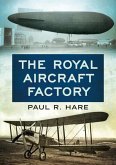
 The Royal Aircraft Factory39,99 €
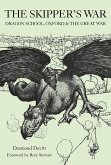
 The Skipper's War: Dragon School, Oxford & the Great War26,99 €
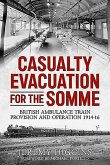
 Casualty Evacuation for the Somme31,99 €
 Party at the Ballot Box93,99 €

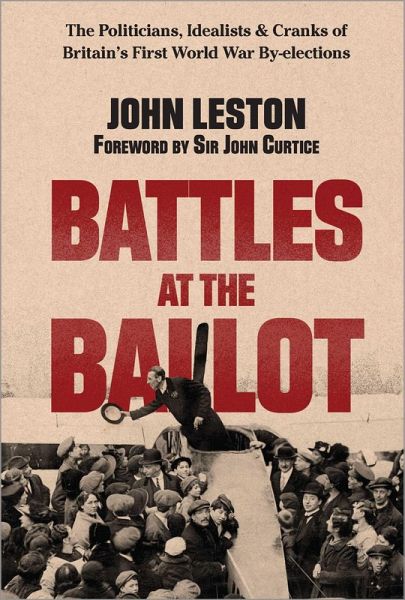
The previously untold story of Britain's home front during World War One Introduced by Sir John Curtice, the BBC's election expert When Britain entered the First World War (World War I / WWI), Westminster tried to freeze politics. The main parties agreed an “electoral truce”: if a seat fell vacant (outside Ireland), the incumbent party would replace the MP unopposed. But the country didn’t stop arguing—so the arguments erupted in the one place they couldn’t be fully controlled: the wartime by-election. With a foreword by Sir John Curtice, Battles at the Ballot is a vivid work of British political history and election history, revealing how democracy still operated under pressure on the Home Front. Between 1914 and 1918 there were 118 wartime vacancies; 89 passed unopposed, but 29 became real battles. Independents won three times—rare upsets that still sent shockwaves through Coalition government politics. What you’ll find inside: * Dramatic, detailed stories of contested by-elections across Great Britain, with results, personalities, and local campaigning * The key issues of the era: conscription, “peace by negotiation” vs “fight to the finish”, civil liberties, anti-war dissent, pacifism, conscientious objectors, class politics, patriotism, and propaganda * Party conflict behind the truce: Conservatives/Unionists, a divided Liberal Party (Asquith vs Lloyd George), and the rising challenge of Labour and the labour movement * The politics of drink: temperance, liquor licensing, the Central Control Board, pubs and wartime alcohol restrictions — and the backlash they provoked * Air power and fear at home: Zeppelins, early air raids, air defence, reprisals, and the “first blitz” anxieties that shaped campaigns * Unforgettable characters and headline-makers: Horatio Bottomley, Noel Pemberton-Billing, rebels, idealists, opportunists—and famous names in the firing line, including Winston Churchill Rich in colour and detail, this book captures the last hurrah of Victorian/Edwardian electioneering in a nation at war: public meetings, posters, leaflets, press wars, professional agents, “removals” on an ageing register, short-notice campaigns, and political theatre. Ideal for readers of: WW1 history, Great War history, British politics, UK Parliament and House of Commons history, wartime elections, by-election history, coalition politics, Liberal decline, Labour rise, Home Front Britain 1914–1918, conscription debate, temperance history, Zeppelin raids, and political campaigning. Reader review by David Worsfold This is a must-read for anyone interested in the shifting sands of public and political opinion through the traumatic years of WW1. John Leston takes a potentially dry subject and injects colour, personality and drama into almost every page. Psephologists will rejoice at the detailed chronicling of the ebb and flow of voting shares, turnouts and candidates, while those more engaged by the personalities who locked electoral horns will delight in the vivid descriptions of the extraordinary collection of individuals who brushed aside the electoral truce between the main parties to champion whatever issue of the day they believed deserved greater attention. All of this is carefully placed in the context of those issues and how they shaped the wartime coalition's policies. Buy the book and start reading