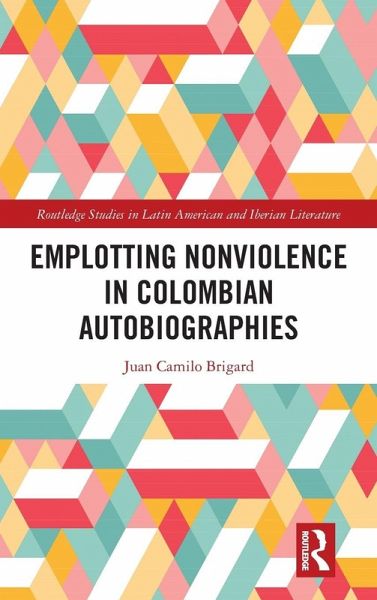
How do individuals upholding an ethos of nonviolence tell their life narratives in places ravaged by armed conflict? With an understanding of violence and nonviolence as socially contingent concepts, Emplotting Nonviolence in Colombian Autobiographies focuses on the life writings of three Colombian social movement leaders (the U'wa Esperanza-Aguablanca's Tengo los pies en la cabeza, the Afrocolombian Rudecindo Castro's Calle caliente, and the LGBTQ+ artivist Manuel Antonio Velandia's De homosexual a marica sujeto de derechos) and contrasts them with the memoirs of a hegemonic ex-president…mehr
How do individuals upholding an ethos of nonviolence tell their life narratives in places ravaged by armed conflict? With an understanding of violence and nonviolence as socially contingent concepts, Emplotting Nonviolence in Colombian Autobiographies focuses on the life writings of three Colombian social movement leaders (the U'wa Esperanza-Aguablanca's Tengo los pies en la cabeza, the Afrocolombian Rudecindo Castro's Calle caliente, and the LGBTQ+ artivist Manuel Antonio Velandia's De homosexual a marica sujeto de derechos) and contrasts them with the memoirs of a hegemonic ex-president (Álvaro Uribe's No Lost Causes). These autobiographies are analyzed using a "contextual narratology of contingency". This is a narrative approach that examines "emplotment" -the structuring of storytelling sequences and its narrative devices- in the light of historical literary genres. Moreover, through a context-sensitive literary lens, this approach emphasizes each book's rhetoric of group-oriented self-representation, or "collective narration" and the way literary genres inflect the representation of nonviolence.
Juan Camilo Brigard is a doctoral candidate at the Graduate Centre for the Study of Culture at Justus Liebig University Giessen, Germany. His research focuses on the intersection of Colombian and postcolonial literature, textual criticism, performance, and the politics of aesthetics.
Inhaltsangabe
1. Introduction: A Nonviolent Approach to Colombian Cultural Violentology. 5 1.1. Autobiography as an Interface Between Aesthetics and Politics. 11 1.2. Violence and Nonviolence. 19 1.3. A Contextual Narratology of Contingency. 25 2. The Thrills of "Democratic Security": Uribe Vélez's No Lost Causes. 34 2.1. A Heterobiographical Presidential Memoir-Thriller 35 2.1.1. A Presidential Memoir-Thriller 35 2.1.2. The Thriller-like Emplotment of No Lost Causes. 40 2.1.3. Suspense, Talking Duels and a Polarized Reception. 47 2.1.4. Uribe's Heterobiographical Voice: Hollywoodization as Suture and Neoliberal Synergy. 49 2.2. A Criollo Colonial Heritage: A Nuclear Family and a Neoliberal Colombia. 54 2.2.1. Screening Fear Through a Criollo Nuclear Family. 55 2.2.2. Ventriloquizing Collectivity in a Democracy of Absentees. 59 2.2.3. A Colombia Shaped by an Imperial Vision. 66 2.3. Pierced Nonviolence. 71 2.3.1. The State's License to Kill 71 2.3.2. Pierced Nonviolence: Pacification. 78 2.3.3. First as Presidential Memoir-Thriller, then as Tragedy?. 81 3. Embodying a Mythical Realist Transfiguration: Berichá's Tengo los pies en la cabeza. 87 3.1. A Mythical Realist Autoethnography. 88 3.1.1. Mythical Realism.. 89 3.1.2. A Transcultural Memoir 93 3.1.3. Myths: From the Origin of the World to the U'wa Present 98 3.1.4. Ethnographic Realism.. 99 3.1.5. A Mythical Realist Autoethnography. 102 3.2. Rearticulating Body-Politics and Political Bodies: Berichá's Adoptive Families, the U'wa, and the National Imaginary. 105 3.2.1. From Evangelized Indigenous Woman to U'wa Author 109 3.2.2. From a Monocultural to a Multicultural Colombia. 113 3.2.3. An Anthropomorphized U'wa Collectivity. 119 3.3. Nonviolent Mythical Inflections of the Real 121 3.3.1. Mythical Realist Transfigurations of Violence. 123 3.3.2. Mythical Realist Nonviolence. 128 3.3.3. A Sense of Belonging in Rejection. 136 4. Ethnicization as Tragedy: Rudecindo Castro's Calle caliente. 143 4.1. A Heterobiography in the Tragic Form.. 144 4.2. Narrating Afro-Diasporic Heritage. 164 4.2.1. A Lineage of Afrocolombian Matrifocal Families. 165 4.2.2. Dialogic Hetero-Self-Citation: Collectivization and Social Disintegration. 170 4.2.3. A Historically Indebted Colombia: Traditional Historiography Under Afrocolombian Eyes. 175 4.3. Tragic Nonviolence. 180 4.3.1. Tragic Nonviolence in Calle caliente. 183 4.3.2. A Skeptical Take on Tragedy as a Way of Conclusion. 189 5. Loca Mariquita's Apprenticeship: Manuel Antonio Velandia's De homosexual a marica sujeto de derechos. 197 5.1. An 'Autobioethnography' of Bildung. 197 5.1.1. A Bildung-Autobioethnography. 197 5.1.2. Affirmative and Disillusionment Bildungsromane: Personality Development, Responsibilization and Incorporation. 201 5.1.3. The Developmental Linearity of Velandia's Life Story. 203 5.1.4. Velandia's Apprenticeship. 205 5.2. From a Catholic Nuclear Family to a Marica Colombia. 210 5.2.1. From a Catholic Nuclear Family to a Marica Subject of Rights 210 5.2.2. From Catholic Missionary to LGBTQ+ Politician. 215 5.2.3. Narrative Strategies of a Minoritarian Hyperbolic-I 219 5.2.4. From a Catholic to a Queer Cosmopolitan Colombia. 223 5.3. Bildung for Nonviolence 227 5.3.1. Treating People as if They Were Trash. 227 5.3.2. Bildung for Nonviolence: Queer Humor Facing Death Threats. 229 5.3.3. Towards a Self-Ironic Collective Memory?. 235 6. Seizing the Nonviolent Occasion. 241 6.1. A Multidirectional Reading of Political Identities. 242 6.2. Pragmatic and Literary Genres in Comparison. 252 6.3. Heterobiographical Narratives. 257 6.4. Intertwined Narrating Selves and Experiencing-Is: Retrojection, Liminality, Linear-Developmentalism.. 258 6.5. Families: Nuclear, Unipersonal, Extended, Adoptive. 262 6.6. Compositional Strategies of Individualized Collectivization: Polyphony, Hetero-Self-Citation, Dialogic Hetero-Self-Citation, Illeism, and Self-Citation. 265 6.7. Colombographies. 267 6.8. Violence: Crosshatched Processual and Physical Injury vs. Enmeshment within Processual Harm.. 272 6.9. Emplotting Nonviolence. 276 6.10. Beyond These Nonviolent Narratives: Routes for Future Research 279 9. Works Cited. 290 Index
1. Introduction: A Nonviolent Approach to Colombian Cultural Violentology. 5 1.1. Autobiography as an Interface Between Aesthetics and Politics. 11 1.2. Violence and Nonviolence. 19 1.3. A Contextual Narratology of Contingency. 25 2. The Thrills of "Democratic Security": Uribe Vélez's No Lost Causes. 34 2.1. A Heterobiographical Presidential Memoir-Thriller 35 2.1.1. A Presidential Memoir-Thriller 35 2.1.2. The Thriller-like Emplotment of No Lost Causes. 40 2.1.3. Suspense, Talking Duels and a Polarized Reception. 47 2.1.4. Uribe's Heterobiographical Voice: Hollywoodization as Suture and Neoliberal Synergy. 49 2.2. A Criollo Colonial Heritage: A Nuclear Family and a Neoliberal Colombia. 54 2.2.1. Screening Fear Through a Criollo Nuclear Family. 55 2.2.2. Ventriloquizing Collectivity in a Democracy of Absentees. 59 2.2.3. A Colombia Shaped by an Imperial Vision. 66 2.3. Pierced Nonviolence. 71 2.3.1. The State's License to Kill 71 2.3.2. Pierced Nonviolence: Pacification. 78 2.3.3. First as Presidential Memoir-Thriller, then as Tragedy?. 81 3. Embodying a Mythical Realist Transfiguration: Berichá's Tengo los pies en la cabeza. 87 3.1. A Mythical Realist Autoethnography. 88 3.1.1. Mythical Realism.. 89 3.1.2. A Transcultural Memoir 93 3.1.3. Myths: From the Origin of the World to the U'wa Present 98 3.1.4. Ethnographic Realism.. 99 3.1.5. A Mythical Realist Autoethnography. 102 3.2. Rearticulating Body-Politics and Political Bodies: Berichá's Adoptive Families, the U'wa, and the National Imaginary. 105 3.2.1. From Evangelized Indigenous Woman to U'wa Author 109 3.2.2. From a Monocultural to a Multicultural Colombia. 113 3.2.3. An Anthropomorphized U'wa Collectivity. 119 3.3. Nonviolent Mythical Inflections of the Real 121 3.3.1. Mythical Realist Transfigurations of Violence. 123 3.3.2. Mythical Realist Nonviolence. 128 3.3.3. A Sense of Belonging in Rejection. 136 4. Ethnicization as Tragedy: Rudecindo Castro's Calle caliente. 143 4.1. A Heterobiography in the Tragic Form.. 144 4.2. Narrating Afro-Diasporic Heritage. 164 4.2.1. A Lineage of Afrocolombian Matrifocal Families. 165 4.2.2. Dialogic Hetero-Self-Citation: Collectivization and Social Disintegration. 170 4.2.3. A Historically Indebted Colombia: Traditional Historiography Under Afrocolombian Eyes. 175 4.3. Tragic Nonviolence. 180 4.3.1. Tragic Nonviolence in Calle caliente. 183 4.3.2. A Skeptical Take on Tragedy as a Way of Conclusion. 189 5. Loca Mariquita's Apprenticeship: Manuel Antonio Velandia's De homosexual a marica sujeto de derechos. 197 5.1. An 'Autobioethnography' of Bildung. 197 5.1.1. A Bildung-Autobioethnography. 197 5.1.2. Affirmative and Disillusionment Bildungsromane: Personality Development, Responsibilization and Incorporation. 201 5.1.3. The Developmental Linearity of Velandia's Life Story. 203 5.1.4. Velandia's Apprenticeship. 205 5.2. From a Catholic Nuclear Family to a Marica Colombia. 210 5.2.1. From a Catholic Nuclear Family to a Marica Subject of Rights 210 5.2.2. From Catholic Missionary to LGBTQ+ Politician. 215 5.2.3. Narrative Strategies of a Minoritarian Hyperbolic-I 219 5.2.4. From a Catholic to a Queer Cosmopolitan Colombia. 223 5.3. Bildung for Nonviolence 227 5.3.1. Treating People as if They Were Trash. 227 5.3.2. Bildung for Nonviolence: Queer Humor Facing Death Threats. 229 5.3.3. Towards a Self-Ironic Collective Memory?. 235 6. Seizing the Nonviolent Occasion. 241 6.1. A Multidirectional Reading of Political Identities. 242 6.2. Pragmatic and Literary Genres in Comparison. 252 6.3. Heterobiographical Narratives. 257 6.4. Intertwined Narrating Selves and Experiencing-Is: Retrojection, Liminality, Linear-Developmentalism.. 258 6.5. Families: Nuclear, Unipersonal, Extended, Adoptive. 262 6.6. Compositional Strategies of Individualized Collectivization: Polyphony, Hetero-Self-Citation, Dialogic Hetero-Self-Citation, Illeism, and Self-Citation. 265 6.7. Colombographies. 267 6.8. Violence: Crosshatched Processual and Physical Injury vs. Enmeshment within Processual Harm.. 272 6.9. Emplotting Nonviolence. 276 6.10. Beyond These Nonviolent Narratives: Routes for Future Research 279 9. Works Cited. 290 Index
Es gelten unsere Allgemeinen Geschäftsbedingungen: www.buecher.de/agb
Impressum
www.buecher.de ist ein Internetauftritt der buecher.de internetstores GmbH
Geschäftsführung: Monica Sawhney | Roland Kölbl | Günter Hilger
Sitz der Gesellschaft: Batheyer Straße 115 - 117, 58099 Hagen
Postanschrift: Bürgermeister-Wegele-Str. 12, 86167 Augsburg
Amtsgericht Hagen HRB 13257
Steuernummer: 321/5800/1497
USt-IdNr: DE450055826