

Andere Kunden interessierten sich auch für
 Children, the Law and the Welfare Principle137,99 €
 Children, the Law and the Welfare Principle37,99 €
 Psychoanalysis and Society's Neglect of the Sexual Abuse of Children, Youth and Adults29,99 €
 Modern Slavery Survivor Pathways127,99 €
 Minorities, Scarcity and Conflict137,99 €
 Children, Family and the State32,99 €
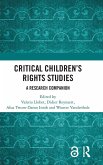
 Critical Children's Rights Studies151,99 €



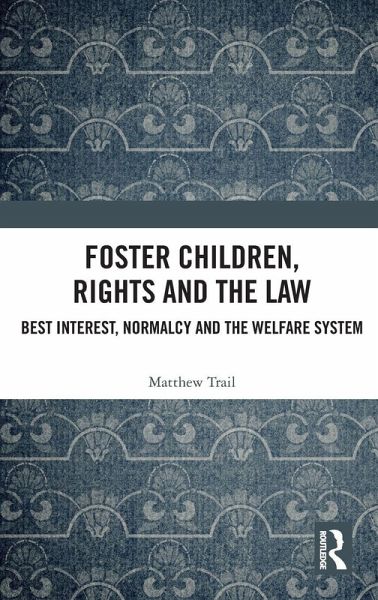
This book discusses child wishes, rights and participation in the foster care system. Making decisions in a foster child's best interest is a widely used, but also widely criticized international legal doctrine. This work discusses the two major legal frameworks, best interest and normalcy, for which foster care decisions are made and how those frameworks might shape how child welfare professionals view and interpret children's rights and participation. Normalcy, the idea that decisions should promote a "normal" life, is a separate legal doctrine which can be in conflict with best interest determinations. However, the concept of normalcy is also theoretically built into best interest decisions and therefore also plays a role in most child welfare systems. Mixing both empirical legal and child welfare research, the book demonstrates the ways in which risk aversion and fear drive best interest decision-making to the detriment of both practitioners and the children they aim to serve. It argues that a children's rights framework starting with normalcy is a better tool for promoting child participation and centering the child within the dependency process. The book will be of interest to academics, researchers and policymakers working in the areas of children's rights law, child welfare and international human rights law.