
Andere Kunden interessierten sich auch für
 Theatre in the Berlin Republic91,55 €
 Performing the Local and the Global59,95 €
 La revanche de la discontinuité52,80 €
 Paradox and Perspicacity102,85 €
 Yvan Goll - A Bibliography of the Primary Works78,95 €
 The Country of the Blind101,90 €
 Mythic Paradigms in Literature, Philosophy, and the Arts105,65 €
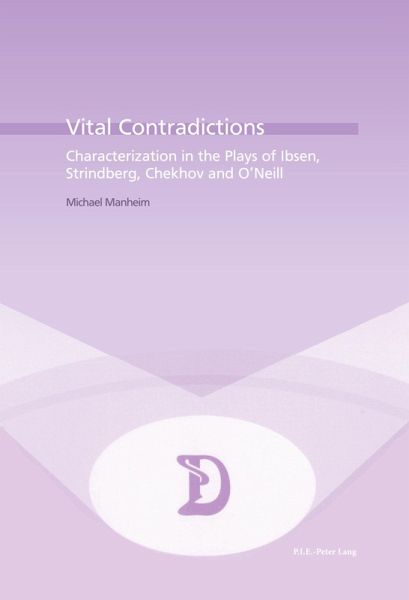
This close study of selected plays by four of the greatest early modern playwrights, namely Ibsen, Strindberg, Chekhov and O'Neill, examines how these plays challenge long-standing traditions and assumptions of nineteenth-century theatre and reassert serious drama's place in great literature. The book studies the chief characters from some of the best-known plays of each playwright, recognizing that what gives them strength as artistic creations and makes them so memorable is the essential contradiction at the core of each figure. Michael Manheim explores the complexity of such characters as Ibsen's Peer Gynt and Hedda Gabler, Strindberg's Miss Julie, Chekhov's Uncle Vanya and Dr. Chebutykin, and the members of O'Neill's Tyrone family.