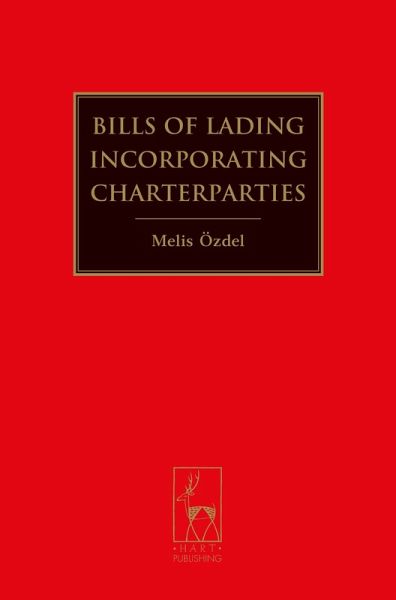
Entirely dedicated to the topic of the incorporation of charterparty terms into bills of lading, this book discusses and analyses the legal and practical issues surrounding this topic under English and US law.
Entirely dedicated to the topic of the incorporation of charterparty terms into bills of lading, this book discusses and analyses the legal and practical issues surrounding this topic under English and US law.
Melis Özdel is a Lecturer in Maritime and Commercial Law at University College London and Deputy Director of the UCL Centre for Commercial Law. Alongside her academic life, Melis is a practising advocate in Istanbul, Turkey.
Inhaltsangabe
1. The Law Governing the Incorporation Issue I. Choosing the Law Governing the Incorporation Issue II. Presumptive Solutions in Ascertaining the Applicable Law: the English Approach A. The Use of Putativity B. An Alternative Method to the Use of Putativity III. Presumptive Solutions in Ascertaining the Applicable Law: the US Approach IV. Conclusion: Should the Putative Proper Law Lead the Way? 2. Choosing the Charterparty to be Incorporated I. Does the Charterparty Need to be Identified in the Bill of Lading? A. Overview B. Is there a Condition to Identify the Charterparty? C. How is the Charterparty to be Identified in the Bill of Lading? D. Inaccurate and/or Ambiguous References II. Which Charterparty is Deemed to be Referred to in the Bill of Lading? A. Overview B. The Position under US Law C. The Position under English Law III. Is the Charterparty Capable of Being Incorporated? A. Overview B. What Forms of Charterparty can be Incorporated? C. Do We Need an Already Concluded Charterparty by the Time the Bill of Lading is Issued? D. The Incorporation of Charterparty Terms that have been Amended or Rectified E. Charterparties Rescinded, Terminated or Invalidated IV. Conclusion 3. Giving Effect to the Words of Incorporation I. What Words of Incorporation are Apt to Incorporate? A. How are the Charterparty Terms to be Described under a Bill of Lading? B. Incorporating the Charterparty Forum Selection Clauses II. Manipulation of the Incorporated Charterparty Provisions A. English Law B. US Law C. Are the Rules of Manipulation Justifiable? III. Conclusion 4. The Operative Words of Incorporation I. Is the Charterparty or the Bill of Lading the Driving Force for Incorporation? II. Are These Rules Workable? III. Conclusion 5. The Consistency Test I. The Incorporated Charterparty Clauses Repugnant to the Bill of Lading A. When is there Inconsistency between the Provisions and Which One Prevails? B. Where do These Rules Take Us? II. Consistency of the Provisions with the Hague and the Hague-Visby Rules A. Historical Background to the Conventions B. Which Prevails? C. Validity of Incorporated Forum Selection Clauses under the Rules D. Validity of Carrier's Terms on Loading and Discharge of the Cargo III. Final Remarks on the Consistency Test
1. The Law Governing the Incorporation Issue I. Choosing the Law Governing the Incorporation Issue II. Presumptive Solutions in Ascertaining the Applicable Law: the English Approach A. The Use of Putativity B. An Alternative Method to the Use of Putativity III. Presumptive Solutions in Ascertaining the Applicable Law: the US Approach IV. Conclusion: Should the Putative Proper Law Lead the Way? 2. Choosing the Charterparty to be Incorporated I. Does the Charterparty Need to be Identified in the Bill of Lading? A. Overview B. Is there a Condition to Identify the Charterparty? C. How is the Charterparty to be Identified in the Bill of Lading? D. Inaccurate and/or Ambiguous References II. Which Charterparty is Deemed to be Referred to in the Bill of Lading? A. Overview B. The Position under US Law C. The Position under English Law III. Is the Charterparty Capable of Being Incorporated? A. Overview B. What Forms of Charterparty can be Incorporated? C. Do We Need an Already Concluded Charterparty by the Time the Bill of Lading is Issued? D. The Incorporation of Charterparty Terms that have been Amended or Rectified E. Charterparties Rescinded, Terminated or Invalidated IV. Conclusion 3. Giving Effect to the Words of Incorporation I. What Words of Incorporation are Apt to Incorporate? A. How are the Charterparty Terms to be Described under a Bill of Lading? B. Incorporating the Charterparty Forum Selection Clauses II. Manipulation of the Incorporated Charterparty Provisions A. English Law B. US Law C. Are the Rules of Manipulation Justifiable? III. Conclusion 4. The Operative Words of Incorporation I. Is the Charterparty or the Bill of Lading the Driving Force for Incorporation? II. Are These Rules Workable? III. Conclusion 5. The Consistency Test I. The Incorporated Charterparty Clauses Repugnant to the Bill of Lading A. When is there Inconsistency between the Provisions and Which One Prevails? B. Where do These Rules Take Us? II. Consistency of the Provisions with the Hague and the Hague-Visby Rules A. Historical Background to the Conventions B. Which Prevails? C. Validity of Incorporated Forum Selection Clauses under the Rules D. Validity of Carrier's Terms on Loading and Discharge of the Cargo III. Final Remarks on the Consistency Test
Es gelten unsere Allgemeinen Geschäftsbedingungen: www.buecher.de/agb
Impressum
www.buecher.de ist ein Internetauftritt der buecher.de internetstores GmbH
Geschäftsführung: Monica Sawhney | Roland Kölbl | Günter Hilger
Sitz der Gesellschaft: Batheyer Straße 115 - 117, 58099 Hagen
Postanschrift: Bürgermeister-Wegele-Str. 12, 86167 Augsburg
Amtsgericht Hagen HRB 13257
Steuernummer: 321/5800/1497
USt-IdNr: DE450055826