3,99 €
3,99 €
inkl. MwSt.
Sofort per Download lieferbar

2 °P sammeln
3,99 €
Als Download kaufen
3,99 €
inkl. MwSt.
Sofort per Download lieferbar
2 °P sammeln
Jetzt verschenken
Alle Infos zum eBook verschenken
3,99 €
inkl. MwSt.
Sofort per Download lieferbar
Alle Infos zum eBook verschenken
2 °P sammeln

Andere Kunden interessierten sich auch für
") All Children Are Yearning: From Witness of Silence to Waves of Change (eBook, ePUB)8,51 €
All Children Are Yearning: From Witness of Silence to Waves of Change (eBook, ePUB)8,51 €") Listen to the silence of the child (eBook, ePUB)9,95 €
Listen to the silence of the child (eBook, ePUB)9,95 €") The Parent Trap (eBook, ePUB)12,95 €
The Parent Trap (eBook, ePUB)12,95 €") Unhappy Families (eBook, ePUB)22,95 €
Unhappy Families (eBook, ePUB)22,95 €") Children whose parents use drugs (eBook, ePUB)15,99 €
Children whose parents use drugs (eBook, ePUB)15,99 €") Children and parents affected by drug use (eBook, ePUB)15,99 €
Children and parents affected by drug use (eBook, ePUB)15,99 €") Online Risk to Children (eBook, ePUB)40,99 €
Online Risk to Children (eBook, ePUB)40,99 €



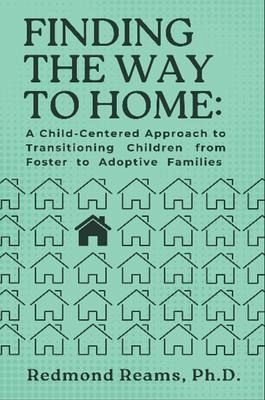
Adoption day is a day of excitement and anxiety, tinged with loss, for a child in a foster home going to live with a new adoptive family. If old enough, a day they will remember the rest of their lives. The narrative of that day is woven into their identity by the retelling of it by their adoptive parents many times. A day that has hopefully been set up well for the child with a planful, child-paced transition. Prior transitions out of their birth home or foster homes may have been abrupt and traumatic but this adoptive transition starts out their new relationship with care and love. Yet caseworkers, adoptive and foster parents, and psychotherapists have no comprehensive models about how they might go about designing and implementing such a high-quality transition.
This book, "Finding the Way to Home: A Child-Centered Approach to Transitioning Children from Foster to Adoptive Families", endeavors to describe a model that is attachment-based, relationship-focused, culturally-sensitive and child-paced. This model describes step-by-step how to help the child both form a new trusting relationship with strangers, their adoptive parents, and to shift their relationships with their foster parents from day-to-day caregiver to extended family. Yet this model does not just focus on the children; it also highlights the emotional work of foster and adoptive parents, as well as others, as they experience losses and gains during the transition. The model is presented both didactically and with four scenarios in which children of varying ages are followed through the different steps of a transition. In addition to the main description of the transition of a single child, other scenarios are presented including the adoption of sibling groups, long-distance adoptions, adoptions with conflict between foster and adoptive families, etc. Whether the model is used in its entirety or only in selected pieces, it can add value to any transition, including those of foster children returning to their birth families or between foster homes. A model to guide adoptive transitions is very important because the adults involved have limited chances to build up their own experience with transitions and hence learn what works or does not work. Adoptive parents will often experience only one or two transitions. Foster parents and psychotherapists may have some more transitions in their career but they are often excluded from many aspects of the transition. Child welfare caseworkers who might be expected to have the most experience are limited by the high turnover rate, estimated to be as much as 60% per year. There is a high need for a model that child welfare systems can adopt statewide and train both existing and new caseworkers on and also educate foster and adoptive parents about what to expect. The publication of this model would revolutionize how adoptive transitions are done and benefit tens of thousands of children being adopted each year as well as the adoptive and foster parents involved in those adoptions.
This book, "Finding the Way to Home: A Child-Centered Approach to Transitioning Children from Foster to Adoptive Families", endeavors to describe a model that is attachment-based, relationship-focused, culturally-sensitive and child-paced. This model describes step-by-step how to help the child both form a new trusting relationship with strangers, their adoptive parents, and to shift their relationships with their foster parents from day-to-day caregiver to extended family. Yet this model does not just focus on the children; it also highlights the emotional work of foster and adoptive parents, as well as others, as they experience losses and gains during the transition. The model is presented both didactically and with four scenarios in which children of varying ages are followed through the different steps of a transition. In addition to the main description of the transition of a single child, other scenarios are presented including the adoption of sibling groups, long-distance adoptions, adoptions with conflict between foster and adoptive families, etc. Whether the model is used in its entirety or only in selected pieces, it can add value to any transition, including those of foster children returning to their birth families or between foster homes. A model to guide adoptive transitions is very important because the adults involved have limited chances to build up their own experience with transitions and hence learn what works or does not work. Adoptive parents will often experience only one or two transitions. Foster parents and psychotherapists may have some more transitions in their career but they are often excluded from many aspects of the transition. Child welfare caseworkers who might be expected to have the most experience are limited by the high turnover rate, estimated to be as much as 60% per year. There is a high need for a model that child welfare systems can adopt statewide and train both existing and new caseworkers on and also educate foster and adoptive parents about what to expect. The publication of this model would revolutionize how adoptive transitions are done and benefit tens of thousands of children being adopted each year as well as the adoptive and foster parents involved in those adoptions.
Dieser Download kann aus rechtlichen Gründen nur mit Rechnungsadresse in A, D ausgeliefert werden.