
- Broschiertes Buch
- Merkliste
- Auf die Merkliste
- Bewerten Bewerten
- Teilen
- Produkt teilen
- Produkterinnerung
- Produkterinnerung
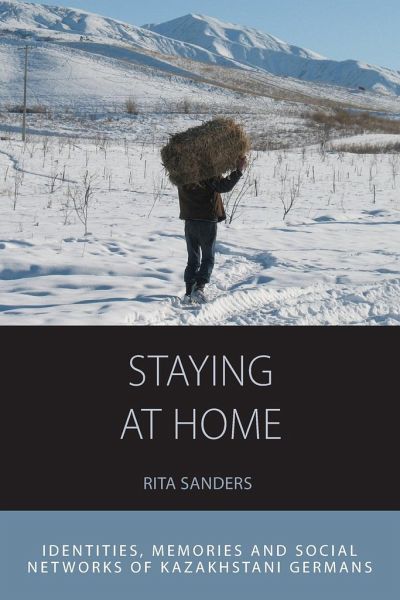
A migration study that focuses on those who do not migrate. Explains a malleability attaching to ethnicity through people's daily lives. Disentangles the notion of diaspora from its inherent attachment to 'homeland'. Combines a fertile mix of qualitative and quantitative approaches.
Andere Kunden interessierten sich auch für
 Kristin Loftsdottir LoftsdottirWe are All Africans Here32,99 €
 Markus BellOutsiders37,99 €
 Un-Settling Middle Eastern Refugees24,99 €
 Anais MenardIntegrating Strangers130,99 €
 The Upper Guinea Coast in Global Perspective24,99 €
 Lands of the Future43,99 €
 Christian Straube StraubeAfter Corporate Paternalism23,99 €
-
-
-





A migration study that focuses on those who do not migrate. Explains a malleability attaching to ethnicity through people's daily lives. Disentangles the notion of diaspora from its inherent attachment to 'homeland'. Combines a fertile mix of qualitative and quantitative approaches.
Produktdetails
- Produktdetails
- Integration and Conflict Studies
- Verlag: Berghahn Books
- Seitenzahl: 272
- Erscheinungstermin: 1. Oktober 2021
- Englisch
- Abmessung: 229mm x 152mm x 15mm
- Gewicht: 400g
- ISBN-13: 9781800730045
- ISBN-10: 1800730047
- Artikelnr.: 59941505
- Herstellerkennzeichnung
- Libri GmbH
- Europaallee 1
- 36244 Bad Hersfeld
- gpsr@libri.de
- Integration and Conflict Studies
- Verlag: Berghahn Books
- Seitenzahl: 272
- Erscheinungstermin: 1. Oktober 2021
- Englisch
- Abmessung: 229mm x 152mm x 15mm
- Gewicht: 400g
- ISBN-13: 9781800730045
- ISBN-10: 1800730047
- Artikelnr.: 59941505
- Herstellerkennzeichnung
- Libri GmbH
- Europaallee 1
- 36244 Bad Hersfeld
- gpsr@libri.de
Rita Sanders is a Research Project Member at the Department of Cultural and Social Anthropology at the University of Cologne. She has worked as a lecturer at the Department of Social and Cultural Anthropology, University of Zurich, Switzerland.
List of Maps, Figures, Illustrations and Tables
Acknowledgements
Note on Transliteration
Introduction
* Kazakhstani Germans and the Study of Nationalities in Central Asia
* Concepts of Ethnicity
* Based on Cultural Grounds - Ethnicity as a Resource - Categorization
and Power - A Product of Individual Life Experience - Ethnic
Boundaries as Cultural Schemas
* Fieldwork in Taldykorgan
PART I: MEMORIES, HISTORIES AND LIFE STORIES
Chapter 1. Memories and Histories
* Shifting Memories of the Past
* The Deportation of 1941 - Discrimination against Germans -
Transition and Continuity - The Hard-Working German
* The Russian Empire: Colonization of the Kazakh Steppe
* The Russian Empire: the Settlers from the German States
* The Soviet Union: Concepts of Nation and Nationality
* The Soviet Union: Its Formation and Nationality Policies
* National Delineation - Collectivization - Facing the Menace of the
German Reich: The Passport System and Deportations - The Kazakh SSR
after 1945
* Kazakhstan: The Formation of a Nation-State and the Role of
Nationality
* 'Kazakhization' - Language Policies - Kazakhstani Identity -
Kazakhstani Germans
Chapter 2. The Enmeshment of Identities and Life Stories
* The Truth of Life Stories
* Four Life Stories, Four Identity Types
* Soviet Identity - Kazakhstani Identity - Russian German Identity -
Kazakhstani German Identity
* Summary
PART II: NATIONALITY, POWER AND CHANGE
Chapter 3. Assessing Nationality
* Nationality as a Unifier of Territorial Belonging, Language, Religion
* and 'Mentality'
* Common Ancestry - Language - Religion - 'Mentality'
* National Dichotomies
* Kazakh Primordialism vs. Russian Constructionism
* Kazakhs' Esteem - Russians' Inclusiveness
* Normative Entanglements
* Summary
Chapter 4. Everyday Nationality in the Kazakh Nation-State
* 'The Friendship of Peoples-Is Our Wealth!'
* Losing Language Hegemony
* Identification: Strategies and Emotions
* Kazakhstan as a Homeland
* Summary
PART III: NON-MIGRANTS' SOCIAL TIES
Migration and Social Networks
Chapter 5. Relations in the Locality: Ethnic Mixing and Missing Kazakhs
* The Relevance of Nationality in Personal Networks
* The Relevance of Nationality in Marriages
* Is there a 'German Community' in Taldykorgan?
* Summary
Chapter 6. Disruption in the Transnational Social Field
* Relatives and Friends Abroad
* Exodus to a 'Historic Homeland'
* Views on Germany
* Networks and Identity
* Summary
PART IV: THE EFFECT OF TWO STATES' POLICIES OF 'GERMANNESS' ON KAZAKHSTANI
GERMANS
Chapter 7. Changing Transnational Institutions
* The 'German House'
* Support from Germany
* Socializing with other Germans
* A Parish in Transition from 'German' to 'Lutheran'
* The German House in Transition
* Summary
Chapter 8. The Divergent Ethnic Policies of Kazakhstan and Germany
* The Kazakh State's Official Promotion of Interethnic Harmony
* The German State's Contradictory Policies
* Summary
Conclusion: Germans at Home in Kazakhstan
* Identity and Memories
* Identities and Identifications
* Friendship of the Peoples?
* Exclusion through Inclusion: The Role of Personal and Institutional
Links to Germany
References
Appendix
Acknowledgements
Note on Transliteration
Introduction
* Kazakhstani Germans and the Study of Nationalities in Central Asia
* Concepts of Ethnicity
* Based on Cultural Grounds - Ethnicity as a Resource - Categorization
and Power - A Product of Individual Life Experience - Ethnic
Boundaries as Cultural Schemas
* Fieldwork in Taldykorgan
PART I: MEMORIES, HISTORIES AND LIFE STORIES
Chapter 1. Memories and Histories
* Shifting Memories of the Past
* The Deportation of 1941 - Discrimination against Germans -
Transition and Continuity - The Hard-Working German
* The Russian Empire: Colonization of the Kazakh Steppe
* The Russian Empire: the Settlers from the German States
* The Soviet Union: Concepts of Nation and Nationality
* The Soviet Union: Its Formation and Nationality Policies
* National Delineation - Collectivization - Facing the Menace of the
German Reich: The Passport System and Deportations - The Kazakh SSR
after 1945
* Kazakhstan: The Formation of a Nation-State and the Role of
Nationality
* 'Kazakhization' - Language Policies - Kazakhstani Identity -
Kazakhstani Germans
Chapter 2. The Enmeshment of Identities and Life Stories
* The Truth of Life Stories
* Four Life Stories, Four Identity Types
* Soviet Identity - Kazakhstani Identity - Russian German Identity -
Kazakhstani German Identity
* Summary
PART II: NATIONALITY, POWER AND CHANGE
Chapter 3. Assessing Nationality
* Nationality as a Unifier of Territorial Belonging, Language, Religion
* and 'Mentality'
* Common Ancestry - Language - Religion - 'Mentality'
* National Dichotomies
* Kazakh Primordialism vs. Russian Constructionism
* Kazakhs' Esteem - Russians' Inclusiveness
* Normative Entanglements
* Summary
Chapter 4. Everyday Nationality in the Kazakh Nation-State
* 'The Friendship of Peoples-Is Our Wealth!'
* Losing Language Hegemony
* Identification: Strategies and Emotions
* Kazakhstan as a Homeland
* Summary
PART III: NON-MIGRANTS' SOCIAL TIES
Migration and Social Networks
Chapter 5. Relations in the Locality: Ethnic Mixing and Missing Kazakhs
* The Relevance of Nationality in Personal Networks
* The Relevance of Nationality in Marriages
* Is there a 'German Community' in Taldykorgan?
* Summary
Chapter 6. Disruption in the Transnational Social Field
* Relatives and Friends Abroad
* Exodus to a 'Historic Homeland'
* Views on Germany
* Networks and Identity
* Summary
PART IV: THE EFFECT OF TWO STATES' POLICIES OF 'GERMANNESS' ON KAZAKHSTANI
GERMANS
Chapter 7. Changing Transnational Institutions
* The 'German House'
* Support from Germany
* Socializing with other Germans
* A Parish in Transition from 'German' to 'Lutheran'
* The German House in Transition
* Summary
Chapter 8. The Divergent Ethnic Policies of Kazakhstan and Germany
* The Kazakh State's Official Promotion of Interethnic Harmony
* The German State's Contradictory Policies
* Summary
Conclusion: Germans at Home in Kazakhstan
* Identity and Memories
* Identities and Identifications
* Friendship of the Peoples?
* Exclusion through Inclusion: The Role of Personal and Institutional
Links to Germany
References
Appendix
List of Maps, Figures, Illustrations and Tables
Acknowledgements
Note on Transliteration
Introduction
* Kazakhstani Germans and the Study of Nationalities in Central Asia
* Concepts of Ethnicity
* Based on Cultural Grounds - Ethnicity as a Resource - Categorization
and Power - A Product of Individual Life Experience - Ethnic
Boundaries as Cultural Schemas
* Fieldwork in Taldykorgan
PART I: MEMORIES, HISTORIES AND LIFE STORIES
Chapter 1. Memories and Histories
* Shifting Memories of the Past
* The Deportation of 1941 - Discrimination against Germans -
Transition and Continuity - The Hard-Working German
* The Russian Empire: Colonization of the Kazakh Steppe
* The Russian Empire: the Settlers from the German States
* The Soviet Union: Concepts of Nation and Nationality
* The Soviet Union: Its Formation and Nationality Policies
* National Delineation - Collectivization - Facing the Menace of the
German Reich: The Passport System and Deportations - The Kazakh SSR
after 1945
* Kazakhstan: The Formation of a Nation-State and the Role of
Nationality
* 'Kazakhization' - Language Policies - Kazakhstani Identity -
Kazakhstani Germans
Chapter 2. The Enmeshment of Identities and Life Stories
* The Truth of Life Stories
* Four Life Stories, Four Identity Types
* Soviet Identity - Kazakhstani Identity - Russian German Identity -
Kazakhstani German Identity
* Summary
PART II: NATIONALITY, POWER AND CHANGE
Chapter 3. Assessing Nationality
* Nationality as a Unifier of Territorial Belonging, Language, Religion
* and 'Mentality'
* Common Ancestry - Language - Religion - 'Mentality'
* National Dichotomies
* Kazakh Primordialism vs. Russian Constructionism
* Kazakhs' Esteem - Russians' Inclusiveness
* Normative Entanglements
* Summary
Chapter 4. Everyday Nationality in the Kazakh Nation-State
* 'The Friendship of Peoples-Is Our Wealth!'
* Losing Language Hegemony
* Identification: Strategies and Emotions
* Kazakhstan as a Homeland
* Summary
PART III: NON-MIGRANTS' SOCIAL TIES
Migration and Social Networks
Chapter 5. Relations in the Locality: Ethnic Mixing and Missing Kazakhs
* The Relevance of Nationality in Personal Networks
* The Relevance of Nationality in Marriages
* Is there a 'German Community' in Taldykorgan?
* Summary
Chapter 6. Disruption in the Transnational Social Field
* Relatives and Friends Abroad
* Exodus to a 'Historic Homeland'
* Views on Germany
* Networks and Identity
* Summary
PART IV: THE EFFECT OF TWO STATES' POLICIES OF 'GERMANNESS' ON KAZAKHSTANI
GERMANS
Chapter 7. Changing Transnational Institutions
* The 'German House'
* Support from Germany
* Socializing with other Germans
* A Parish in Transition from 'German' to 'Lutheran'
* The German House in Transition
* Summary
Chapter 8. The Divergent Ethnic Policies of Kazakhstan and Germany
* The Kazakh State's Official Promotion of Interethnic Harmony
* The German State's Contradictory Policies
* Summary
Conclusion: Germans at Home in Kazakhstan
* Identity and Memories
* Identities and Identifications
* Friendship of the Peoples?
* Exclusion through Inclusion: The Role of Personal and Institutional
Links to Germany
References
Appendix
Acknowledgements
Note on Transliteration
Introduction
* Kazakhstani Germans and the Study of Nationalities in Central Asia
* Concepts of Ethnicity
* Based on Cultural Grounds - Ethnicity as a Resource - Categorization
and Power - A Product of Individual Life Experience - Ethnic
Boundaries as Cultural Schemas
* Fieldwork in Taldykorgan
PART I: MEMORIES, HISTORIES AND LIFE STORIES
Chapter 1. Memories and Histories
* Shifting Memories of the Past
* The Deportation of 1941 - Discrimination against Germans -
Transition and Continuity - The Hard-Working German
* The Russian Empire: Colonization of the Kazakh Steppe
* The Russian Empire: the Settlers from the German States
* The Soviet Union: Concepts of Nation and Nationality
* The Soviet Union: Its Formation and Nationality Policies
* National Delineation - Collectivization - Facing the Menace of the
German Reich: The Passport System and Deportations - The Kazakh SSR
after 1945
* Kazakhstan: The Formation of a Nation-State and the Role of
Nationality
* 'Kazakhization' - Language Policies - Kazakhstani Identity -
Kazakhstani Germans
Chapter 2. The Enmeshment of Identities and Life Stories
* The Truth of Life Stories
* Four Life Stories, Four Identity Types
* Soviet Identity - Kazakhstani Identity - Russian German Identity -
Kazakhstani German Identity
* Summary
PART II: NATIONALITY, POWER AND CHANGE
Chapter 3. Assessing Nationality
* Nationality as a Unifier of Territorial Belonging, Language, Religion
* and 'Mentality'
* Common Ancestry - Language - Religion - 'Mentality'
* National Dichotomies
* Kazakh Primordialism vs. Russian Constructionism
* Kazakhs' Esteem - Russians' Inclusiveness
* Normative Entanglements
* Summary
Chapter 4. Everyday Nationality in the Kazakh Nation-State
* 'The Friendship of Peoples-Is Our Wealth!'
* Losing Language Hegemony
* Identification: Strategies and Emotions
* Kazakhstan as a Homeland
* Summary
PART III: NON-MIGRANTS' SOCIAL TIES
Migration and Social Networks
Chapter 5. Relations in the Locality: Ethnic Mixing and Missing Kazakhs
* The Relevance of Nationality in Personal Networks
* The Relevance of Nationality in Marriages
* Is there a 'German Community' in Taldykorgan?
* Summary
Chapter 6. Disruption in the Transnational Social Field
* Relatives and Friends Abroad
* Exodus to a 'Historic Homeland'
* Views on Germany
* Networks and Identity
* Summary
PART IV: THE EFFECT OF TWO STATES' POLICIES OF 'GERMANNESS' ON KAZAKHSTANI
GERMANS
Chapter 7. Changing Transnational Institutions
* The 'German House'
* Support from Germany
* Socializing with other Germans
* A Parish in Transition from 'German' to 'Lutheran'
* The German House in Transition
* Summary
Chapter 8. The Divergent Ethnic Policies of Kazakhstan and Germany
* The Kazakh State's Official Promotion of Interethnic Harmony
* The German State's Contradictory Policies
* Summary
Conclusion: Germans at Home in Kazakhstan
* Identity and Memories
* Identities and Identifications
* Friendship of the Peoples?
* Exclusion through Inclusion: The Role of Personal and Institutional
Links to Germany
References
Appendix