- Gebundenes Buch
- Merkliste
- Auf die Merkliste
- Bewerten Bewerten
- Teilen
- Produkt teilen
- Produkterinnerung
- Produkterinnerung
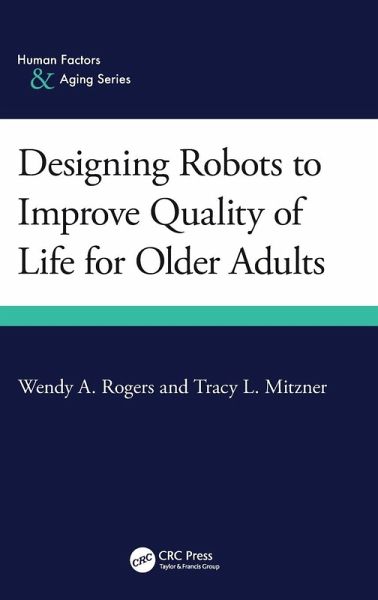
This book translates research on aging, human factors, and human-robot interaction into guidance that will be usable for practitioners who design robots for a range of applications. It offers a framework for human-robot interaction (HRI) with a focus on personal characteristics, robot functionality, task demands, and interaction context.
Andere Kunden interessierten sich auch für
Anne McLaughlinDesigning Displays for Older Adults95,99 €
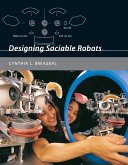
Cynthia BreazealDesigning Sociable Robots29,99 €
Traveling Engineers' AssociationThe Traveling Engineers' Association to Improve the Locomotive Engine Service of American Railroads Examination Questions and Answers for Firemen for Promotion and New Men for Employment17,99 €
Green Technologies to Improve the Environment on Earth84,99 €
Remote Sensing Observations to Improve Knowledge of Lithosphere-Atmosphere-Ionosphere Coupling during the Preparatory Phase of Earthquakes108,99 €
Ausmita SarkerUtilizing Fly Ash to Improve Subgrade Properties26,99 €
Surface Modification to Improve Properties of Materials101,99 €-
-
-
This book translates research on aging, human factors, and human-robot interaction into guidance that will be usable for practitioners who design robots for a range of applications. It offers a framework for human-robot interaction (HRI) with a focus on personal characteristics, robot functionality, task demands, and interaction context.
Produktdetails
- Produktdetails
- Verlag: CRC Press
- Seitenzahl: 166
- Erscheinungstermin: 26. August 2025
- Englisch
- Abmessung: 240mm x 161mm x 14mm
- Gewicht: 420g
- ISBN-13: 9781032636825
- ISBN-10: 1032636823
- Artikelnr.: 73885015
- Herstellerkennzeichnung
- Libri GmbH
- Europaallee 1
- 36244 Bad Hersfeld
- gpsr@libri.de
- Verlag: CRC Press
- Seitenzahl: 166
- Erscheinungstermin: 26. August 2025
- Englisch
- Abmessung: 240mm x 161mm x 14mm
- Gewicht: 420g
- ISBN-13: 9781032636825
- ISBN-10: 1032636823
- Artikelnr.: 73885015
- Herstellerkennzeichnung
- Libri GmbH
- Europaallee 1
- 36244 Bad Hersfeld
- gpsr@libri.de
Wendy A. Rogers, Ph.D., is Khan Professor of Applied Health Sciences at the University of Illinois Urbana-Champaign. She is Director of the Human Factors and Aging Laboratory and a Certified Human Factors Professional (BCPE Certificate #1539). Her research focuses on advanced technology design to support autonomy of older adults, with and without disabilities. Tracy L. Mitzner, Ph.D., is Founder and Principal Research Scientist at Person in Design, a consulting firm specializing in leveraging scientific research to drive technology design for older adults, including those with disabilities. Her research interests include the design of emerging technologies (mobile applications, health monitoring, telepresence, robotics), particularly for applications to facilitate social and physical wellness.
Chapter 1. Introduction and Overview. 1.1 Potential of robots to support
older adults. 1.2 Media representation vs. current state of science. 1.3
What is a robot?. 1.4 Categories of robots. 1.5 Human-Robot Interaction
Framework. 1.6 Goals for the book. Chapter 2. Human Characteristics. 2.1
Human characteristics overview. 2.2 Demographics. 2.3 Abilities. 2.4
Psychosocial. 2.5 Experiences. 2.6 Design guidelines for human
characteristics. Chapter 3. Robot Characteristics. 3.1 Robot
characteristics overview. 3.2 Appearance. 3.3 Capabilities. 3.4 Socialness.
3.5 Autonomy. 3.6 Design guidelines for robot characteristics. Chapter 4.
Interaction Characteristics. 4.1 Interaction characteristics overview. 4.2
Task. 4.3 Roles. 4.4 Engagement. 4.5 Workload. 4.6 Design guidelines for
interaction characteristics. Chapter 5. Interaction Environments. 5.1
Interactions environments overview. 5.2 Natural. 5.3 Built. 5.4 Social. 5.5
Technology. 5.6 Design guidelines for interaction environments. Chapter 6.
Ethical Considerations. 6.1 Overview of ethical considerations. 6.2 Robot
laws and roboethics. 6.3 Robot care providers. 6.4 Safety/risk of harm and
consequences. 6.5 Privacy and security. 6.6. Design guidelines for ethics.
Chapter 7. HRI Design Methods and Assessment Measures. 7.1 HRI design
methods and assessment measures overview. 7.2 Design methods. 7.3 Measures.
7.4 Guidelines for design methods and assessment measures. Chapter 8.
Applying the HRI Framework: The Evans Story. 8.1 Applications overview. 8.2
The Evans family and the Stretch robot: A case study. 8.3 Lessons learned.
Chapter 9. Implementation Considerations. 9.1 Implementation overview. 9.2
Technology maturation: The Gartner Hype Cycle. 9.3 Traits and
characteristics of people. 9.4 Perceptions about technology. 9.5 Robot
maintenance. 9.6 Planning and evaluating success. 9.7 Guidelines for
implementation. Chapter 10. Conclusions. 10.1 Potential of robots to
improve quality of life for older adults. 10.2 Human factors process. 10.3
Applying the guidelines in the design process. 10.4 Systemic supports
needed. 10.5 Conclusion

older adults. 1.2 Media representation vs. current state of science. 1.3
What is a robot?. 1.4 Categories of robots. 1.5 Human-Robot Interaction
Framework. 1.6 Goals for the book. Chapter 2. Human Characteristics. 2.1
Human characteristics overview. 2.2 Demographics. 2.3 Abilities. 2.4
Psychosocial. 2.5 Experiences. 2.6 Design guidelines for human
characteristics. Chapter 3. Robot Characteristics. 3.1 Robot
characteristics overview. 3.2 Appearance. 3.3 Capabilities. 3.4 Socialness.
3.5 Autonomy. 3.6 Design guidelines for robot characteristics. Chapter 4.
Interaction Characteristics. 4.1 Interaction characteristics overview. 4.2
Task. 4.3 Roles. 4.4 Engagement. 4.5 Workload. 4.6 Design guidelines for
interaction characteristics. Chapter 5. Interaction Environments. 5.1
Interactions environments overview. 5.2 Natural. 5.3 Built. 5.4 Social. 5.5
Technology. 5.6 Design guidelines for interaction environments. Chapter 6.
Ethical Considerations. 6.1 Overview of ethical considerations. 6.2 Robot
laws and roboethics. 6.3 Robot care providers. 6.4 Safety/risk of harm and
consequences. 6.5 Privacy and security. 6.6. Design guidelines for ethics.
Chapter 7. HRI Design Methods and Assessment Measures. 7.1 HRI design
methods and assessment measures overview. 7.2 Design methods. 7.3 Measures.
7.4 Guidelines for design methods and assessment measures. Chapter 8.
Applying the HRI Framework: The Evans Story. 8.1 Applications overview. 8.2
The Evans family and the Stretch robot: A case study. 8.3 Lessons learned.
Chapter 9. Implementation Considerations. 9.1 Implementation overview. 9.2
Technology maturation: The Gartner Hype Cycle. 9.3 Traits and
characteristics of people. 9.4 Perceptions about technology. 9.5 Robot
maintenance. 9.6 Planning and evaluating success. 9.7 Guidelines for
implementation. Chapter 10. Conclusions. 10.1 Potential of robots to
improve quality of life for older adults. 10.2 Human factors process. 10.3
Applying the guidelines in the design process. 10.4 Systemic supports
needed. 10.5 Conclusion
Chapter 1. Introduction and Overview. 1.1 Potential of robots to support
older adults. 1.2 Media representation vs. current state of science. 1.3
What is a robot?. 1.4 Categories of robots. 1.5 Human-Robot Interaction
Framework. 1.6 Goals for the book. Chapter 2. Human Characteristics. 2.1
Human characteristics overview. 2.2 Demographics. 2.3 Abilities. 2.4
Psychosocial. 2.5 Experiences. 2.6 Design guidelines for human
characteristics. Chapter 3. Robot Characteristics. 3.1 Robot
characteristics overview. 3.2 Appearance. 3.3 Capabilities. 3.4 Socialness.
3.5 Autonomy. 3.6 Design guidelines for robot characteristics. Chapter 4.
Interaction Characteristics. 4.1 Interaction characteristics overview. 4.2
Task. 4.3 Roles. 4.4 Engagement. 4.5 Workload. 4.6 Design guidelines for
interaction characteristics. Chapter 5. Interaction Environments. 5.1
Interactions environments overview. 5.2 Natural. 5.3 Built. 5.4 Social. 5.5
Technology. 5.6 Design guidelines for interaction environments. Chapter 6.
Ethical Considerations. 6.1 Overview of ethical considerations. 6.2 Robot
laws and roboethics. 6.3 Robot care providers. 6.4 Safety/risk of harm and
consequences. 6.5 Privacy and security. 6.6. Design guidelines for ethics.
Chapter 7. HRI Design Methods and Assessment Measures. 7.1 HRI design
methods and assessment measures overview. 7.2 Design methods. 7.3 Measures.
7.4 Guidelines for design methods and assessment measures. Chapter 8.
Applying the HRI Framework: The Evans Story. 8.1 Applications overview. 8.2
The Evans family and the Stretch robot: A case study. 8.3 Lessons learned.
Chapter 9. Implementation Considerations. 9.1 Implementation overview. 9.2
Technology maturation: The Gartner Hype Cycle. 9.3 Traits and
characteristics of people. 9.4 Perceptions about technology. 9.5 Robot
maintenance. 9.6 Planning and evaluating success. 9.7 Guidelines for
implementation. Chapter 10. Conclusions. 10.1 Potential of robots to
improve quality of life for older adults. 10.2 Human factors process. 10.3
Applying the guidelines in the design process. 10.4 Systemic supports
needed. 10.5 Conclusion
older adults. 1.2 Media representation vs. current state of science. 1.3
What is a robot?. 1.4 Categories of robots. 1.5 Human-Robot Interaction
Framework. 1.6 Goals for the book. Chapter 2. Human Characteristics. 2.1
Human characteristics overview. 2.2 Demographics. 2.3 Abilities. 2.4
Psychosocial. 2.5 Experiences. 2.6 Design guidelines for human
characteristics. Chapter 3. Robot Characteristics. 3.1 Robot
characteristics overview. 3.2 Appearance. 3.3 Capabilities. 3.4 Socialness.
3.5 Autonomy. 3.6 Design guidelines for robot characteristics. Chapter 4.
Interaction Characteristics. 4.1 Interaction characteristics overview. 4.2
Task. 4.3 Roles. 4.4 Engagement. 4.5 Workload. 4.6 Design guidelines for
interaction characteristics. Chapter 5. Interaction Environments. 5.1
Interactions environments overview. 5.2 Natural. 5.3 Built. 5.4 Social. 5.5
Technology. 5.6 Design guidelines for interaction environments. Chapter 6.
Ethical Considerations. 6.1 Overview of ethical considerations. 6.2 Robot
laws and roboethics. 6.3 Robot care providers. 6.4 Safety/risk of harm and
consequences. 6.5 Privacy and security. 6.6. Design guidelines for ethics.
Chapter 7. HRI Design Methods and Assessment Measures. 7.1 HRI design
methods and assessment measures overview. 7.2 Design methods. 7.3 Measures.
7.4 Guidelines for design methods and assessment measures. Chapter 8.
Applying the HRI Framework: The Evans Story. 8.1 Applications overview. 8.2
The Evans family and the Stretch robot: A case study. 8.3 Lessons learned.
Chapter 9. Implementation Considerations. 9.1 Implementation overview. 9.2
Technology maturation: The Gartner Hype Cycle. 9.3 Traits and
characteristics of people. 9.4 Perceptions about technology. 9.5 Robot
maintenance. 9.6 Planning and evaluating success. 9.7 Guidelines for
implementation. Chapter 10. Conclusions. 10.1 Potential of robots to
improve quality of life for older adults. 10.2 Human factors process. 10.3
Applying the guidelines in the design process. 10.4 Systemic supports
needed. 10.5 Conclusion