- Broschiertes Buch
- Merkliste
- Auf die Merkliste
- Bewerten Bewerten
- Teilen
- Produkt teilen
- Produkterinnerung
- Produkterinnerung
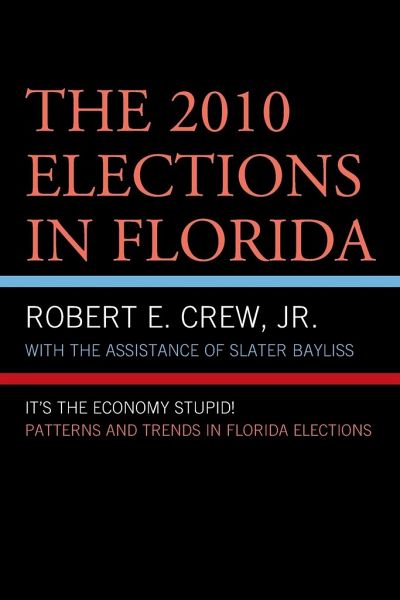
This book places the 2010 elections in historical context and offers an explanation for the substantial gains made by the Republicans in Florida that year. It also discusses the voting behavior of the Florida electorate and the importance of national forces on state level elections.
Andere Kunden interessierten sich auch für
Robert E. Crew2012 Elections in Florida37,99 €
Jay WeinerThis Is Not Florida19,99 €
Miles TaylorBlowback20,99 €
Edwin McMasters StantonFlorida Contested Election of United States Senator25,99 €
Arthur Oyola-YemaielTowards the Formation of a Sustainable South Florida31,99 €
The Governors of Florida85,99 €
Businessnews PublishingSummary: The Swamp14,99 €-
-
-
This book places the 2010 elections in historical context and offers an explanation for the substantial gains made by the Republicans in Florida that year. It also discusses the voting behavior of the Florida electorate and the importance of national forces on state level elections.
Produktdetails
- Produktdetails
- Verlag: University Press of America
- Seitenzahl: 190
- Erscheinungstermin: 12. August 2013
- Englisch
- Abmessung: 229mm x 152mm x 10mm
- Gewicht: 284g
- ISBN-13: 9780761861720
- ISBN-10: 0761861726
- Artikelnr.: 39092717
- Herstellerkennzeichnung
- Libri GmbH
- Europaallee 1
- 36244 Bad Hersfeld
- gpsr@libri.de
- Verlag: University Press of America
- Seitenzahl: 190
- Erscheinungstermin: 12. August 2013
- Englisch
- Abmessung: 229mm x 152mm x 10mm
- Gewicht: 284g
- ISBN-13: 9780761861720
- ISBN-10: 0761861726
- Artikelnr.: 39092717
- Herstellerkennzeichnung
- Libri GmbH
- Europaallee 1
- 36244 Bad Hersfeld
- gpsr@libri.de
Robert Crew is professor of political science, director of the master's program in applied American politics, and associate dean of the College of Social Sciences and Public Policy at Florida State University. He has held governmental and political positions at state and national levels, and has managed and consulted on political campaigns at all levels of government.
TABLE OF CONTENTS
List of Tablesv
Prefacevii
Part I: The 2010 Elections in Florida: It's the Economy Stupid!1
The 2010 Statewide Elections: A Unique Year3The Martinez Decision3
The National Economy and Florida Politics4
The Race for the U.S. Senate: The Candidates5
The Race for Governor: The Candidates6
The Race for Statewide Office: Attorney General, Chief
Financial Commissioner of Agriculture and Chief Financial
Officer7
Part II: The Race for the U.S. Senate9
The Campaign for the U.S. Senate: Background and Context11The Primary
Campaigns11
The Democratic Primary: Background and Context16
The Outcome of the Democratic Primary22
The U.S. Senate General Election22
The Outcome of the Senate Race29
The Senatorial Election Results31 Alternative Voting: Early and Absentee
Ballots 31
Patterns in Senatorial Elections: Party Success 32
The County-by-County Outcome 33
Part III: The Race for Governor 43
Social Groups and the Senatorial Vote: 2006, 2008, 201045How Social Groups
Voted in the Senatorial Race45
Gender, Age, and Race45
Changing in Voting Coalitions between 2006 and 201047
5 The Race for Governor: Strategy53
The Republican Primary54
The Outcome of the Primary58
The General Election for Governor59
6The Gubernatorial Election Results65
The County-by-County Vote65
Voter Turnout66
7Group Voting in the 2010 Gubernatorial Election69
How Social Groups Voted in the 2010 Gubernatorial Election69
Voting Coalitions, 1998 through 201071
Part IV: The Races for Other Statewide Offices83
8The Race for Attorney General, Chief Financial Officer and85
Officer and Commissioner of Agriculture
The Primary Campaign for Attorney General 85
The General Election for Attorney General91
The Race for Commissioner of Agriculture97
Election Results for Statewide Offices99
Part V: The 2010 Congressional Elections103
9The Campaigns for Congress105
Introduction105
District by District Analysis106
The Pattern of Outcomes122
Explaining the Results124
Part VI: The 2010 State Legislative Elections141
10The Campaigns for the State Legislature143
Introduction143
The Parameters of the 2010 Election 143
Overall Results: Legislative Races with Two-Party
Competition145
Competitive Races in 2010: House Seats145
Competitive Senate Races150
Additional Incumbent Losses151
Patterns of Outcomes153
Explaining the Results155
Part VII: The Florida Elections of 2010 in Perspective159
The 2010 Election and the Future of Florida Politics161Introduction161
Legislative Apportionment162
Minor Party Candidates165
Term Limits166
Bibliography 167
Index173
List of Tablesv
Prefacevii
Part I: The 2010 Elections in Florida: It's the Economy Stupid!1
The 2010 Statewide Elections: A Unique Year3The Martinez Decision3
The National Economy and Florida Politics4
The Race for the U.S. Senate: The Candidates5
The Race for Governor: The Candidates6
The Race for Statewide Office: Attorney General, Chief
Financial Commissioner of Agriculture and Chief Financial
Officer7
Part II: The Race for the U.S. Senate9
The Campaign for the U.S. Senate: Background and Context11The Primary
Campaigns11
The Democratic Primary: Background and Context16
The Outcome of the Democratic Primary22
The U.S. Senate General Election22
The Outcome of the Senate Race29
The Senatorial Election Results31 Alternative Voting: Early and Absentee
Ballots 31
Patterns in Senatorial Elections: Party Success 32
The County-by-County Outcome 33
Part III: The Race for Governor 43
Social Groups and the Senatorial Vote: 2006, 2008, 201045How Social Groups
Voted in the Senatorial Race45
Gender, Age, and Race45
Changing in Voting Coalitions between 2006 and 201047
5 The Race for Governor: Strategy53
The Republican Primary54
The Outcome of the Primary58
The General Election for Governor59
6The Gubernatorial Election Results65
The County-by-County Vote65
Voter Turnout66
7Group Voting in the 2010 Gubernatorial Election69
How Social Groups Voted in the 2010 Gubernatorial Election69
Voting Coalitions, 1998 through 201071
Part IV: The Races for Other Statewide Offices83
8The Race for Attorney General, Chief Financial Officer and85
Officer and Commissioner of Agriculture
The Primary Campaign for Attorney General 85
The General Election for Attorney General91
The Race for Commissioner of Agriculture97
Election Results for Statewide Offices99
Part V: The 2010 Congressional Elections103
9The Campaigns for Congress105
Introduction105
District by District Analysis106
The Pattern of Outcomes122
Explaining the Results124
Part VI: The 2010 State Legislative Elections141
10The Campaigns for the State Legislature143
Introduction143
The Parameters of the 2010 Election 143
Overall Results: Legislative Races with Two-Party
Competition145
Competitive Races in 2010: House Seats145
Competitive Senate Races150
Additional Incumbent Losses151
Patterns of Outcomes153
Explaining the Results155
Part VII: The Florida Elections of 2010 in Perspective159
The 2010 Election and the Future of Florida Politics161Introduction161
Legislative Apportionment162
Minor Party Candidates165
Term Limits166
Bibliography 167
Index173
TABLE OF CONTENTS
List of Tablesv
Prefacevii
Part I: The 2010 Elections in Florida: It's the Economy Stupid!1
The 2010 Statewide Elections: A Unique Year3The Martinez Decision3
The National Economy and Florida Politics4
The Race for the U.S. Senate: The Candidates5
The Race for Governor: The Candidates6
The Race for Statewide Office: Attorney General, Chief
Financial Commissioner of Agriculture and Chief Financial
Officer7
Part II: The Race for the U.S. Senate9
The Campaign for the U.S. Senate: Background and Context11The Primary
Campaigns11
The Democratic Primary: Background and Context16
The Outcome of the Democratic Primary22
The U.S. Senate General Election22
The Outcome of the Senate Race29
The Senatorial Election Results31 Alternative Voting: Early and Absentee
Ballots 31
Patterns in Senatorial Elections: Party Success 32
The County-by-County Outcome 33
Part III: The Race for Governor 43
Social Groups and the Senatorial Vote: 2006, 2008, 201045How Social Groups
Voted in the Senatorial Race45
Gender, Age, and Race45
Changing in Voting Coalitions between 2006 and 201047
5 The Race for Governor: Strategy53
The Republican Primary54
The Outcome of the Primary58
The General Election for Governor59
6The Gubernatorial Election Results65
The County-by-County Vote65
Voter Turnout66
7Group Voting in the 2010 Gubernatorial Election69
How Social Groups Voted in the 2010 Gubernatorial Election69
Voting Coalitions, 1998 through 201071
Part IV: The Races for Other Statewide Offices83
8The Race for Attorney General, Chief Financial Officer and85
Officer and Commissioner of Agriculture
The Primary Campaign for Attorney General 85
The General Election for Attorney General91
The Race for Commissioner of Agriculture97
Election Results for Statewide Offices99
Part V: The 2010 Congressional Elections103
9The Campaigns for Congress105
Introduction105
District by District Analysis106
The Pattern of Outcomes122
Explaining the Results124
Part VI: The 2010 State Legislative Elections141
10The Campaigns for the State Legislature143
Introduction143
The Parameters of the 2010 Election 143
Overall Results: Legislative Races with Two-Party
Competition145
Competitive Races in 2010: House Seats145
Competitive Senate Races150
Additional Incumbent Losses151
Patterns of Outcomes153
Explaining the Results155
Part VII: The Florida Elections of 2010 in Perspective159
The 2010 Election and the Future of Florida Politics161Introduction161
Legislative Apportionment162
Minor Party Candidates165
Term Limits166
Bibliography 167
Index173
List of Tablesv
Prefacevii
Part I: The 2010 Elections in Florida: It's the Economy Stupid!1
The 2010 Statewide Elections: A Unique Year3The Martinez Decision3
The National Economy and Florida Politics4
The Race for the U.S. Senate: The Candidates5
The Race for Governor: The Candidates6
The Race for Statewide Office: Attorney General, Chief
Financial Commissioner of Agriculture and Chief Financial
Officer7
Part II: The Race for the U.S. Senate9
The Campaign for the U.S. Senate: Background and Context11The Primary
Campaigns11
The Democratic Primary: Background and Context16
The Outcome of the Democratic Primary22
The U.S. Senate General Election22
The Outcome of the Senate Race29
The Senatorial Election Results31 Alternative Voting: Early and Absentee
Ballots 31
Patterns in Senatorial Elections: Party Success 32
The County-by-County Outcome 33
Part III: The Race for Governor 43
Social Groups and the Senatorial Vote: 2006, 2008, 201045How Social Groups
Voted in the Senatorial Race45
Gender, Age, and Race45
Changing in Voting Coalitions between 2006 and 201047
5 The Race for Governor: Strategy53
The Republican Primary54
The Outcome of the Primary58
The General Election for Governor59
6The Gubernatorial Election Results65
The County-by-County Vote65
Voter Turnout66
7Group Voting in the 2010 Gubernatorial Election69
How Social Groups Voted in the 2010 Gubernatorial Election69
Voting Coalitions, 1998 through 201071
Part IV: The Races for Other Statewide Offices83
8The Race for Attorney General, Chief Financial Officer and85
Officer and Commissioner of Agriculture
The Primary Campaign for Attorney General 85
The General Election for Attorney General91
The Race for Commissioner of Agriculture97
Election Results for Statewide Offices99
Part V: The 2010 Congressional Elections103
9The Campaigns for Congress105
Introduction105
District by District Analysis106
The Pattern of Outcomes122
Explaining the Results124
Part VI: The 2010 State Legislative Elections141
10The Campaigns for the State Legislature143
Introduction143
The Parameters of the 2010 Election 143
Overall Results: Legislative Races with Two-Party
Competition145
Competitive Races in 2010: House Seats145
Competitive Senate Races150
Additional Incumbent Losses151
Patterns of Outcomes153
Explaining the Results155
Part VII: The Florida Elections of 2010 in Perspective159
The 2010 Election and the Future of Florida Politics161Introduction161
Legislative Apportionment162
Minor Party Candidates165
Term Limits166
Bibliography 167
Index173