
Andere Kunden interessierten sich auch für
 Forests of the Southern Appalachian Highlands and Interior Highlands of the United States112,99 €
 Sustainable Use of Forest Biomass for Energy76,99 €
 Agroforestry265,99 €
 Decision Support for Forest Management113,99 €
 Forest and Nature Governance113,99 €
 Designing and Conducting a Forest Inventory - case: 9th National Forest Inventory of Finland113,99 €
 Indigenous Forest Management In the Andaman and Nicobar Islands, India76,99 €
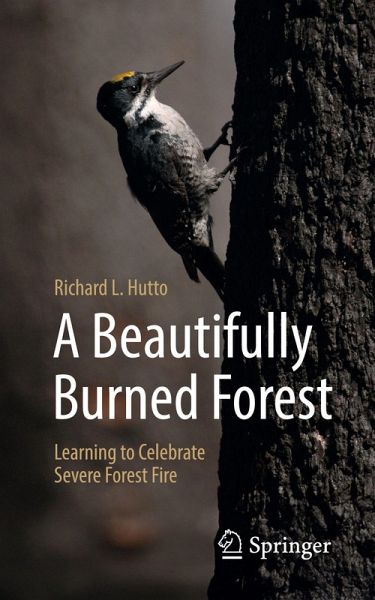
In this book, avian ecologist and former PBS Birdwatch host Richard Hutto challenges conventional wisdom by revealing the hidden beauty and ecological importance of severely burned forests. Drawing on extensive field research and compelling storytelling, Hutto uncovers one of nature s best-kept secrets: numerous species including the black-backed woodpecker and the morel mushroom thrive in conditions created only by intense wildfires. These and many other fire-dependent organisms have evolved to flourish in charred landscapes, a fact often overlooked by birdwatchers, land managers, and even fire researchers.
Blending science, fieldwork, and reflections from a lifelong career, this book has the potential to transform how we perceive forest fires. It offers a fresh perspective on fire s role in maintaining biodiversity and invites readers to consider how revised land management practices could benefit both industry and the environment. Written in an engaging and accessible style, this book is ideal for birdwatchers, nature enthusiasts, fire managers, and anyone curious about the true role of fire in our ecosystems.
Blending science, fieldwork, and reflections from a lifelong career, this book has the potential to transform how we perceive forest fires. It offers a fresh perspective on fire s role in maintaining biodiversity and invites readers to consider how revised land management practices could benefit both industry and the environment. Written in an engaging and accessible style, this book is ideal for birdwatchers, nature enthusiasts, fire managers, and anyone curious about the true role of fire in our ecosystems.
The book covers novel and important findings about birds in wildfires by Hutto, his students, and other scientists, while informing appropriate forest management in our rapidly changing world. A Beautifully Burned Forest is packed with thought-provoking data and useful information but written as a story of discovery. The main takeaway: the woodpeckers, mushrooms, flowers, and beetles all tell a story of evolution with severe wildfire over millennia. They do not simply benefit from severe fire they require it. (Monica L. Bond, Biological Conservation, November 18, 2025)
Anyone with an interest in our forests and wildfires in other words, every single person living in the American West should read A Beautifully Burned Forest. It s a fairly quick read that will change the way you view and understand our spectacularly diverse region. Especially in this day where misinformation rules, Hutto s book is a valuable step in creating an educated public that insists on smarter management of the lands that sustain us. (fathersonbirding.com, October 30, 2025)
I think it would be difficult after reading Hutto s book to see the burnt forest landscape as anything but wonderous and beautiful. The Beautifully Burned Forest is a book that I wish I could get into the hands (and, of course, hope they read it) of every politician, agency land manager, and conservation organizations. It will surely make you exclaim as Hutto did every day in class 'Isn t this cool! (George Wuerthner, The Wildlife News, thewildlifenews.com, September 21, 2025)
Anyone with an interest in our forests and wildfires in other words, every single person living in the American West should read A Beautifully Burned Forest. It s a fairly quick read that will change the way you view and understand our spectacularly diverse region. Especially in this day where misinformation rules, Hutto s book is a valuable step in creating an educated public that insists on smarter management of the lands that sustain us. (fathersonbirding.com, October 30, 2025)
I think it would be difficult after reading Hutto s book to see the burnt forest landscape as anything but wonderous and beautiful. The Beautifully Burned Forest is a book that I wish I could get into the hands (and, of course, hope they read it) of every politician, agency land manager, and conservation organizations. It will surely make you exclaim as Hutto did every day in class 'Isn t this cool! (George Wuerthner, The Wildlife News, thewildlifenews.com, September 21, 2025)