Professor Kerstin S. Jobst (Austria University of Vienna)
A History of Crimea
From Antiquity to the Present
Professor Kerstin S. Jobst (Austria University of Vienna)
A History of Crimea
From Antiquity to the Present
- Broschiertes Buch
- Merkliste
- Auf die Merkliste
- Bewerten Bewerten
- Teilen
- Produkt teilen
- Produkterinnerung
- Produkterinnerung
An authoritative history of Crimea from its mythical beginnings to its annexation by Russia in 2014 and beyond.
Andere Kunden interessierten sich auch für
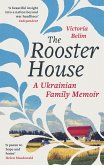
Victoria BelimThe Rooster House9,99 €
Victoria BelimThe Rooster House26,99 €
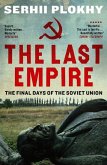
Serhii PlokhyThe Last Empire10,99 €
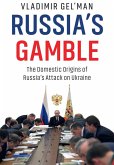
Vladimir Gel'manRussia's Gamble17,99 €
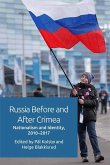
Russia Before and After Crimea39,99 €
Vladimir Gel'manRussia's Gamble73,99 €
Mark GaleottiPutin's Wars26,99 €-
-
-
An authoritative history of Crimea from its mythical beginnings to its annexation by Russia in 2014 and beyond.
Produktdetails
- Produktdetails
- Verlag: Bloomsbury Publishing PLC
- Seitenzahl: 384
- Erscheinungstermin: 23. Januar 2025
- Englisch
- Abmessung: 233mm x 159mm x 22mm
- Gewicht: 578g
- ISBN-13: 9781350327993
- ISBN-10: 1350327999
- Artikelnr.: 67788666
- Herstellerkennzeichnung
- Libri GmbH
- Europaallee 1
- 36244 Bad Hersfeld
- gpsr@libri.de
- Verlag: Bloomsbury Publishing PLC
- Seitenzahl: 384
- Erscheinungstermin: 23. Januar 2025
- Englisch
- Abmessung: 233mm x 159mm x 22mm
- Gewicht: 578g
- ISBN-13: 9781350327993
- ISBN-10: 1350327999
- Artikelnr.: 67788666
- Herstellerkennzeichnung
- Libri GmbH
- Europaallee 1
- 36244 Bad Hersfeld
- gpsr@libri.de
Kerstin S. Jobst is Professor for the Societies and Memory Cultures of Eastern Europe at the Institute for East European History at the University of Vienna, Austria. Her research interests include the History of East Central and Eastern Europe, the Black Sea region, the Caucasus, the Russian Empire and the Habsburg Monarchy, as well as comparative empires and colonialism studies.
Preface
1. Introduction
2. Crimea as a Space of Myths and Legends
3. On Greeks, Scythians, and Others
4. New Actors: Sarmatians and Others
5. The Mithridatic Wars: Crimea under the Rule of Rome
6. On Goths, Huns, the 'Migration Period' and Its Impacts on Crimea
7. Crimea as a Place of Early Christianity
8. Crimea between the Eastern Roman Empire, the Crimean Gothia, and the
Khazar Empire
9. Crimea between the Kievan Rus', Byzantium, and Semi-Nomadic Groups from
Eurasia
10. On Cumans, Polovtsians, and Kipchaks
11. The Fourth Crusade (1202-1204) and its Impact on Crimea
12. Pax Mongolica, Trade, Slavery, and the 'Black Death'
13. The Principality of Theodoro and a Lithuanian Intermezzo
14. The Crimean Khanate: The Beginnings
15. The Establishment of the Crimean Khanate
16. The Crimean Khanate: Ottoman Suzerainty and an Eastern European
Equilibrium
17. Slavery and the Topos of the Crimean Tatar Warrior
18. The Nogays as a Factor in the Early Modern Crimean History
19. The Cossacks as a Factor in the Early Modern Crimean History
20. Internal Conditions in the Crimean Khanate
21. In the Run-Up to the Annexation: The Strengthening of the Russian
Empire, the 'Greek Plan', and the Treaty of Küçük Kaynarca of 1774
22. An 'Independent' Crimean Khanate and the Russian Annexation, 1774-1783
23. The First Decades of Russian Rule in Crimea
24. The Multi-Ethnic and Multi-Religious Crimea under Tsarist Rule: The
Tatar Population and Gender Relations
25. The Multi-Ethnic and Multi-Religious Crimea under Tsarist Rule: 'Old'
and 'New' Inhabitants
26. The Crimean War: A 'Modern' War?
27. The Crimean War: The Developments on the Peninsula
28. After the War: Crimea Between 1856 and 1905
29. The Crimean Tatar Population after the Crimean War
30. The Revolution 1905 and Its Consequences in Crimea
31. World War I and the Revolution in the Periphery: The Crimean Peninsula,
1917-1920
32. The Crimean Peninsula, 1920-1941
33. Crimea during World War II
34. The Deportations 1944/45 and Their Background
35. Crimea after World War II
36. The Dissolution of the Soviet Union: Crimea as Part of Independent
Ukraine
37. Russian Again?! Crimea after the Second Annexation of 2014
Bibliography
Index
1. Introduction
2. Crimea as a Space of Myths and Legends
3. On Greeks, Scythians, and Others
4. New Actors: Sarmatians and Others
5. The Mithridatic Wars: Crimea under the Rule of Rome
6. On Goths, Huns, the 'Migration Period' and Its Impacts on Crimea
7. Crimea as a Place of Early Christianity
8. Crimea between the Eastern Roman Empire, the Crimean Gothia, and the
Khazar Empire
9. Crimea between the Kievan Rus', Byzantium, and Semi-Nomadic Groups from
Eurasia
10. On Cumans, Polovtsians, and Kipchaks
11. The Fourth Crusade (1202-1204) and its Impact on Crimea
12. Pax Mongolica, Trade, Slavery, and the 'Black Death'
13. The Principality of Theodoro and a Lithuanian Intermezzo
14. The Crimean Khanate: The Beginnings
15. The Establishment of the Crimean Khanate
16. The Crimean Khanate: Ottoman Suzerainty and an Eastern European
Equilibrium
17. Slavery and the Topos of the Crimean Tatar Warrior
18. The Nogays as a Factor in the Early Modern Crimean History
19. The Cossacks as a Factor in the Early Modern Crimean History
20. Internal Conditions in the Crimean Khanate
21. In the Run-Up to the Annexation: The Strengthening of the Russian
Empire, the 'Greek Plan', and the Treaty of Küçük Kaynarca of 1774
22. An 'Independent' Crimean Khanate and the Russian Annexation, 1774-1783
23. The First Decades of Russian Rule in Crimea
24. The Multi-Ethnic and Multi-Religious Crimea under Tsarist Rule: The
Tatar Population and Gender Relations
25. The Multi-Ethnic and Multi-Religious Crimea under Tsarist Rule: 'Old'
and 'New' Inhabitants
26. The Crimean War: A 'Modern' War?
27. The Crimean War: The Developments on the Peninsula
28. After the War: Crimea Between 1856 and 1905
29. The Crimean Tatar Population after the Crimean War
30. The Revolution 1905 and Its Consequences in Crimea
31. World War I and the Revolution in the Periphery: The Crimean Peninsula,
1917-1920
32. The Crimean Peninsula, 1920-1941
33. Crimea during World War II
34. The Deportations 1944/45 and Their Background
35. Crimea after World War II
36. The Dissolution of the Soviet Union: Crimea as Part of Independent
Ukraine
37. Russian Again?! Crimea after the Second Annexation of 2014
Bibliography
Index
Preface
1. Introduction
2. Crimea as a Space of Myths and Legends
3. On Greeks, Scythians, and Others
4. New Actors: Sarmatians and Others
5. The Mithridatic Wars: Crimea under the Rule of Rome
6. On Goths, Huns, the 'Migration Period' and Its Impacts on Crimea
7. Crimea as a Place of Early Christianity
8. Crimea between the Eastern Roman Empire, the Crimean Gothia, and the
Khazar Empire
9. Crimea between the Kievan Rus', Byzantium, and Semi-Nomadic Groups from
Eurasia
10. On Cumans, Polovtsians, and Kipchaks
11. The Fourth Crusade (1202-1204) and its Impact on Crimea
12. Pax Mongolica, Trade, Slavery, and the 'Black Death'
13. The Principality of Theodoro and a Lithuanian Intermezzo
14. The Crimean Khanate: The Beginnings
15. The Establishment of the Crimean Khanate
16. The Crimean Khanate: Ottoman Suzerainty and an Eastern European
Equilibrium
17. Slavery and the Topos of the Crimean Tatar Warrior
18. The Nogays as a Factor in the Early Modern Crimean History
19. The Cossacks as a Factor in the Early Modern Crimean History
20. Internal Conditions in the Crimean Khanate
21. In the Run-Up to the Annexation: The Strengthening of the Russian
Empire, the 'Greek Plan', and the Treaty of Küçük Kaynarca of 1774
22. An 'Independent' Crimean Khanate and the Russian Annexation, 1774-1783
23. The First Decades of Russian Rule in Crimea
24. The Multi-Ethnic and Multi-Religious Crimea under Tsarist Rule: The
Tatar Population and Gender Relations
25. The Multi-Ethnic and Multi-Religious Crimea under Tsarist Rule: 'Old'
and 'New' Inhabitants
26. The Crimean War: A 'Modern' War?
27. The Crimean War: The Developments on the Peninsula
28. After the War: Crimea Between 1856 and 1905
29. The Crimean Tatar Population after the Crimean War
30. The Revolution 1905 and Its Consequences in Crimea
31. World War I and the Revolution in the Periphery: The Crimean Peninsula,
1917-1920
32. The Crimean Peninsula, 1920-1941
33. Crimea during World War II
34. The Deportations 1944/45 and Their Background
35. Crimea after World War II
36. The Dissolution of the Soviet Union: Crimea as Part of Independent
Ukraine
37. Russian Again?! Crimea after the Second Annexation of 2014
Bibliography
Index
1. Introduction
2. Crimea as a Space of Myths and Legends
3. On Greeks, Scythians, and Others
4. New Actors: Sarmatians and Others
5. The Mithridatic Wars: Crimea under the Rule of Rome
6. On Goths, Huns, the 'Migration Period' and Its Impacts on Crimea
7. Crimea as a Place of Early Christianity
8. Crimea between the Eastern Roman Empire, the Crimean Gothia, and the
Khazar Empire
9. Crimea between the Kievan Rus', Byzantium, and Semi-Nomadic Groups from
Eurasia
10. On Cumans, Polovtsians, and Kipchaks
11. The Fourth Crusade (1202-1204) and its Impact on Crimea
12. Pax Mongolica, Trade, Slavery, and the 'Black Death'
13. The Principality of Theodoro and a Lithuanian Intermezzo
14. The Crimean Khanate: The Beginnings
15. The Establishment of the Crimean Khanate
16. The Crimean Khanate: Ottoman Suzerainty and an Eastern European
Equilibrium
17. Slavery and the Topos of the Crimean Tatar Warrior
18. The Nogays as a Factor in the Early Modern Crimean History
19. The Cossacks as a Factor in the Early Modern Crimean History
20. Internal Conditions in the Crimean Khanate
21. In the Run-Up to the Annexation: The Strengthening of the Russian
Empire, the 'Greek Plan', and the Treaty of Küçük Kaynarca of 1774
22. An 'Independent' Crimean Khanate and the Russian Annexation, 1774-1783
23. The First Decades of Russian Rule in Crimea
24. The Multi-Ethnic and Multi-Religious Crimea under Tsarist Rule: The
Tatar Population and Gender Relations
25. The Multi-Ethnic and Multi-Religious Crimea under Tsarist Rule: 'Old'
and 'New' Inhabitants
26. The Crimean War: A 'Modern' War?
27. The Crimean War: The Developments on the Peninsula
28. After the War: Crimea Between 1856 and 1905
29. The Crimean Tatar Population after the Crimean War
30. The Revolution 1905 and Its Consequences in Crimea
31. World War I and the Revolution in the Periphery: The Crimean Peninsula,
1917-1920
32. The Crimean Peninsula, 1920-1941
33. Crimea during World War II
34. The Deportations 1944/45 and Their Background
35. Crimea after World War II
36. The Dissolution of the Soviet Union: Crimea as Part of Independent
Ukraine
37. Russian Again?! Crimea after the Second Annexation of 2014
Bibliography
Index