
Andere Kunden interessierten sich auch für
") A House of Gentlefolk (Classic of Russian Literature)9,99 €
A House of Gentlefolk (Classic of Russian Literature)9,99 € A House of Gentlefolk18,99 €
 A House Of Gentlefolk16,99 €
 The Captain's Daughter17,99 €
") Louisiana (Esprios Classics)19,99 €
Louisiana (Esprios Classics)19,99 €") The Temptation of St. Antony (Esprios Classics)22,99 €
The Temptation of St. Antony (Esprios Classics)22,99 €") Quisanté (Esprios Classics)25,99 €
Quisanté (Esprios Classics)25,99 €

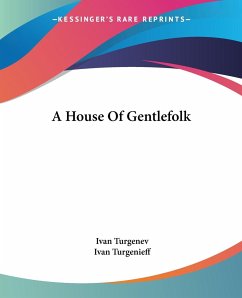




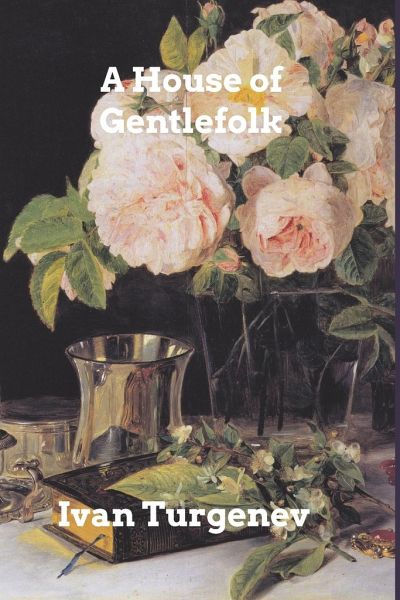
Home of the Gentry, also translated as A House of Gentlefolk, is a novel by Ivan Turgenev published in the January 1859 issue of Sovremennik. It was enthusiastically received by the Russian society and remained his least controversial and most widely read novel until the end of the 19th century. Turgenev wrote the novel shortly after his 40th birthday, and it expresses some of his feelings about middle age, as its protagonist is forced to confront the mistakes of his past and determine what options are left for his dwindling future. The novel is often recognized for its musical elements and the quiet lull of its prose.