
Andere Kunden interessierten sich auch für
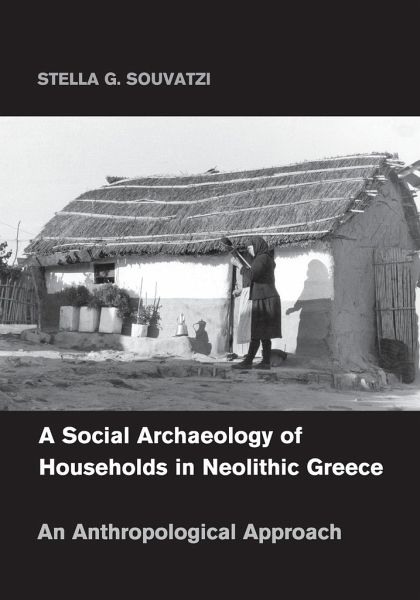
 A Social Archaeology of Households in Neolithic Greece102,99 €
 Pottery Production Technology and Long-distance Exchange in Late Neolithic Makrygialos, Northern Greece131,99 €
 Sexually Ambiguous Imagery in Cyprus from the Neolithic to the Cypro-Archaic Period50,99 €
 The Neolithic Pottery of Ulucak in Aegean Turkey146,99 €
 The Archaeology of Ancient Greece121,99 €
 Greece and the Augustan Cultural Revolution42,99 €
 Classical Greece54,99 €







The study of households and everyday life is increasingly recognized as fundamental in social archaeological analysis. This volume addresses the household as a process and as a conceptual and analytical means through which we can interpret social organization from the bottom up. Using detailed case studies from Neolithic Greece, Stella Souvatzi examines how the household is defined socially, culturally and historically; she discusses household and community, variability, production and reproduction, individual and collective agency, identity, change, complexity and integration. Her study is enriched by an in-depth discussion of the framework for the household in the social sciences and the synthesis of many anthropological, historical and sociological examples. It reverses the view of the household as passive, ahistorical and stable, showing it instead to be active, dynamic and continually shifting.