
Andere Kunden interessierten sich auch für
 A Sociology of Transnational Constitutions52,99 €
 Imperial Reconstruction 1763-1840104,99 €
 Landlords and Tenants in Imperial Rome33,99 €
 Landlords and Tenants in Imperial Rome83,99 €
 Making Constitutions in Deeply Divided Societies112,99 €
 Constitutions in Times of Financial Crisis37,99 €
 Social and Political Foundations of Constitutions62,99 €
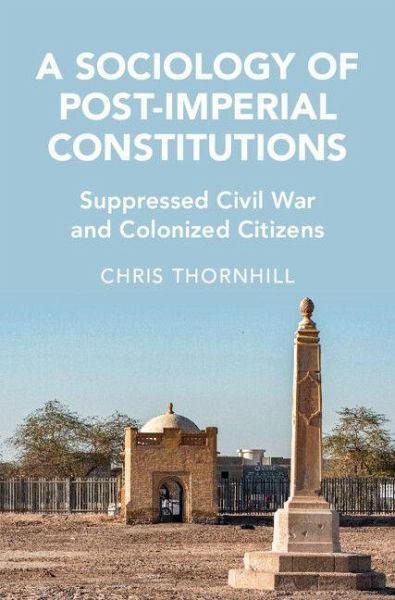
Covering the period from the eighteenth century to the present, A Sociology of Post-Imperial Constitutions combines global history and historical legal sociology to explain how democratic constitutions were created by imperialism and military policies related to imperialism. It challenges common views about the relation between democracy and peace, examining how, in different locations and different periods, the constitutional ordering of citizenship both reflected and perpetuated warfare. It also isolates the features of constitutional systems that have been successful in obviating military violence, separating democracy from its military origins. It discusses how the emergence of democratic government after 1945 depended on a dialectical transformation of the war/law nexus in constitutional rule. It then assesses ways in which, and the reasons why, many contemporary constitutions have begun to remilitarize their societies and to rearticulate military constructs of legitimacy.