
Andere Kunden interessierten sich auch für
 Volatile organic compounds in surface waters49,99 €
 Échantillonneur passif à base de Tenax pour les composés organiques semi-volatils23,99 €
 Separation of volatile organic compounds by pervaporation58,99 €
 Passive Remediation of Acid Mine Drainage51,99 €
 Structure of Organic Compounds29,99 €
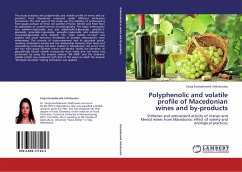
 Polyphenolic and volatile profile of Macedonian wines and by-products52,99 €
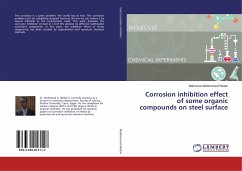
 Corrosion inhibition effect of some organic compounds on steel surface46,99 €


Exposure to high levels of volatile and semi-volatile organic compounds can lead to detrimental health effects. Polycyclic Aromatic Hydrocarbons (PAH) represent a major constituent group in volatile/semi-volatile air pollutants and some have been shown to exert carcinogenic and mutagenic effects in humans. Since inhalation is one of the major uptake routs for PAH compounds and the severity of exposure depends on the airborne concentrations, measurement of atmospheric PAH levels is essential. Active sampling is a precise method for PAH sampling yet, it lacks in terms of convenience and large scale deployment capability. Passive sampling on the other hand, is simpler and more user-friendly to be used unobtrusively in any outdoor or indoor environment. The work highlighted here mainly consists of basics in the design, development, testing and validation of a Tenax based passive sampler for volatile/semi-volatile organic air pollutants. The developed sampler was tested in multiple simulated environments and a field trial was carried out finally to validate its capabilities. The sampler performance was commendable in measuring airborne PAHs with a higher volatility.