
Andere Kunden interessierten sich auch für
 Art, Politics, and Palace Eunuchs in Ming China, 1368-1644175,99 €
 The Creation, Diffusion, and Reception of Italian Art in the Early Modern Iberian World175,99 €
 Conceptual Art After Modernism176,99 €
 Embodied Experiences of Making in Early Modern Europe98,99 €
 Art and Its Geographies128,99 €
 Nabokov, History and the Texture of Time185,99 €
 The Limits of British Colonial Control in South Asia115,99 €
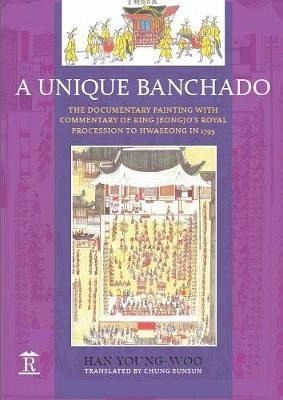
Fully illustrated in colour, here is the first introduction in English to one of Korea’s outstanding cultural assets – the banchado (painting of the order of guests in a royal event) commemorating the 1795 royal procession to Hwaseong (Gyeonggi Province). It is a fine example of the meticulous record-keeping (uigwe) and the skills of the court painters at that time. Comprising some 1800 people, the eight-day procession was organized by King Jeongjo in order to visit the tomb of his father and to celebrate his mother’s sixtieth birthday. The author provides a full analysis of the context, planning, execution and significance of the event.