83,99 €
inkl. MwSt.
Versandkostenfrei*Erscheint vorauss. Juni 2026
Melden Sie sich
hier
hier
für den Produktalarm an, um über die Verfügbarkeit des Produkts informiert zu werden.

42 °P sammeln
Andere Kunden interessierten sich auch für
 Direct Action as Conceptual Art?28,99 €
 Policing, Mental Illness and Media117,69 €
 Racism, Violence and Harm98,99 €
 Criminal Anthroposcenes76,99 €
 Trial by Media76,99 €
 Serial Killing on Screen106,99 €
 Urban Crime Control in Cinema83,99 €


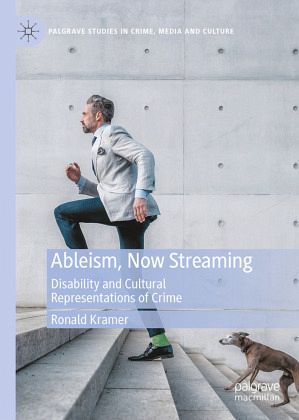
This book reveals how ableism permeates cultural portrayals of crime. What does it mean to consume crime narratives that are so thoroughly ableist? While there are many interpretations of crime in media, there is not yet a sustained analysis of its ableist underpinnings and the social and cultural significance of its seemingly endless consumption. Using a range of texts as illustrative material, each chapter explores a strand of the ableist imaginary, how it underpins crime narrativization, and how it is normalized via our consumption. This book argues that the portrayal of crime constitutes a major site for the articulation and defense of ableist thinking. As such, it is a cultural practice replete with symbolic, social and political effects that hamper the lives of disabled people while securing the privileges appended to bodyminds that pass as normal. Drawing on radical constructivist logic, this book speaks to those interested in representations of crime and contributesto the emerging subfield of crip criminology.