
Andere Kunden interessierten sich auch für
 The Aboriginal Tent Embassy53,99 €
 Precedents Of General Requisitions On Title22,99 €
 Code of Federal Regulations, Title 10 Energy 500-End, Revised as of January 1, 202489,99 €
 Strata Title Property Rights55,99 €
 Code of Federal Regulations, Title 10 Energy 51-199, Revised as of January 1, 202475,99 €
 Code of Federal Regulations, Title 10 Energy 500-End, Revised as of January 1, 202489,99 €
 Strata Title Property Rights186,99 €
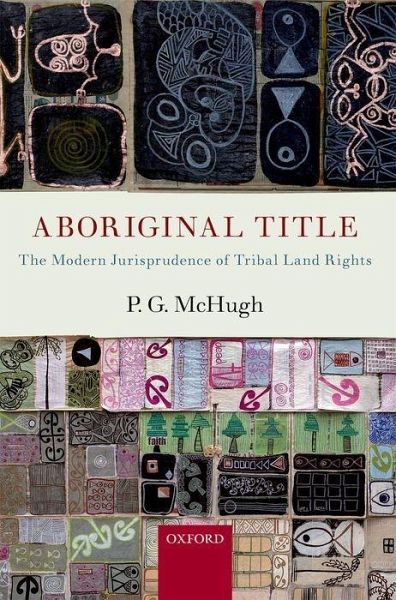
Aboriginal title, the land rights of native peoples in former colonies, is one of the most significant developments in common law in the late-twentieth century. This book, by a key author in this field, sets out the beginnings, judicial acceptance, and influence of this doctrine across national jurisdictions and in international law.
Aboriginal title represents one of the most remarkable and controversial legal developments in the common law world of the late-twentieth century. Overnight it changed the legal position of indigenous peoples. The common law doctrine gave sudden substance to the tribes' claims to justiciable property rights over their traditional lands, catapulting these up the national agenda and jolting them out of a previous culture of governmental inattention. In a series of breakthrough cases national courts adopted the argument developed first in western Canada, and then New Zealand and Australia by a handful of influential scholars. By the beginning of the millennium the doctrine had spread to Malaysia, Belize, southern Africa and had a profound impact upon the rapid development of international law of indigenous peoples' rights.
Aboriginal title represents one of the most remarkable and controversial legal developments in the common law world of the late-twentieth century. Overnight it changed the legal position of indigenous peoples. The common law doctrine gave sudden substance to the tribes' claims to justiciable property rights over their traditional lands, catapulting these up the national agenda and jolting them out of a previous culture of governmental inattention. In a series of breakthrough cases national courts adopted the argument developed first in western Canada, and then New Zealand and Australia by a handful of influential scholars. By the beginning of the millennium the doctrine had spread to Malaysia, Belize, southern Africa and had a profound impact upon the rapid development of international law of indigenous peoples' rights.