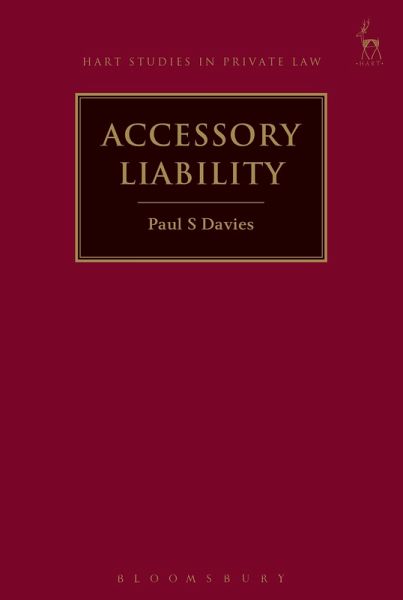
Paul S Davies (UK University College London)
Accessory Liability
Paul S Davies (UK University College London)
Accessory Liability
- Broschiertes Buch
- Merkliste
- Auf die Merkliste
- Bewerten Bewerten
- Teilen
- Produkt teilen
- Produkterinnerung
- Produkterinnerung
This book suggests that by looking at accessory liability though the lens of private law, its nature and principles can be better understood and doctrinal confusion regarding the elements of liability, defences and remedies resolved.
Andere Kunden interessierten sich auch für
Paul S Davies (UK University College London)Accessory Liability118,99 €
Helen ScottUnjust Enrichment in South African Law118,99 €
Guido Noto La DiegaInternet of Things and the Law43,99 €
Anna Aseeva (Poland Lazarski University)From Corporate Social Responsibility to Corporate Social Liability76,99 €
Guido Noto La DiegaInternet of Things and the Law138,99 €
Emanuela OrlandoEnvironmental Liability and the Interplay between EU Law and International Law130,99 €
Andrew KeayCompany Directors' Liability and Creditor Protection234,99 €-
-
-
This book suggests that by looking at accessory liability though the lens of private law, its nature and principles can be better understood and doctrinal confusion regarding the elements of liability, defences and remedies resolved.
Produktdetails
- Produktdetails
- Hart Studies in Private Law
- Verlag: Bloomsbury Publishing PLC
- Seitenzahl: 346
- Erscheinungstermin: 25. Mai 2017
- Englisch
- Abmessung: 234mm x 156mm x 19mm
- Gewicht: 522g
- ISBN-13: 9781509914104
- ISBN-10: 1509914102
- Artikelnr.: 47525145
- Herstellerkennzeichnung
- Libri GmbH
- Europaallee 1
- 36244 Bad Hersfeld
- gpsr@libri.de
- Hart Studies in Private Law
- Verlag: Bloomsbury Publishing PLC
- Seitenzahl: 346
- Erscheinungstermin: 25. Mai 2017
- Englisch
- Abmessung: 234mm x 156mm x 19mm
- Gewicht: 522g
- ISBN-13: 9781509914104
- ISBN-10: 1509914102
- Artikelnr.: 47525145
- Herstellerkennzeichnung
- Libri GmbH
- Europaallee 1
- 36244 Bad Hersfeld
- gpsr@libri.de
Paul S Davies is an Associate Professor in Law at the University of Oxford and a Fellow of St Catherine's College, Oxford. Photo courtesy of Faculty of Law, University of Oxford.
1. Introduction
I. What is Accessory Liability?
II. Why is Accessory Liability Important?
III. Doctrinal Difficulties in the Law of Obligations
IV. Looking Across the Legal Landscape
V. Approach of the Book
2. Fundamentals
I. Principles Underpinning Accessory Liability
II. Conduct Element
III. Mental Element
IV. Nature of Accessory Liability
V. Distinguishing Accessory Liability
3. Crime
I. Scope of Accessory Liability
II. Primary Offence
III. Conduct Element
IV. Mental Element
V. Defences
VI. Nature of Liability
VII. Rationales of Liability
VIII. Conclusions
4. Equity
I. Seeds of Confusion: The Effect of Barnes v Addy
II. A New Start: Royal Brunei Airlines Sdn Bhd v Tan
III. Primary Wrong: Breach of Contract
IV. Conduct Element
V. Mental Element
VI. Explaining Accessory Liability
VII. What Shape should Accessory Liability Take?
5. Contract
I. The Leading Case: Lumley v Gye
II. Accessory Liability Recognised: OBG Ltd v Allan
III. Primary Wrong
IV. Conduct Element
V. Mental Element
VI. Explaining Accessory Liability
VII. Against Accessory Liability: Defending Breach of Contract
VIII. What Shape should Accessory Liability Take?
6. Tort
I. Mapping Accessory Liability in Tort Law
II. Primary Wrong
III. Conduct Element
IV. Mental Element
V. Explaining Liability
VI. What Shape should Accessory Liability Take?
7. Defences
I. Defences Available to the Primary Wrongdoer
II. Justification
III. Withdrawal
IV. Limitation
V. Conclusion
8. Remedies
I. 'Secondary' Liability Exposed
II. Compensation
III. Gain-based Awards
IV. Hypothetical Bargain Measure of Damages
V. Contribution
VI. Punitive Damages
VII. Injunction
VIII. Combining Remedies
9. Conclusions
I. 'Knowing Assistance'
II. A Standard Approach Across All Obligations
III. The Nature of Accessory Liability
IV. A Narrow But Coherent Law of Accessory Liability
I. What is Accessory Liability?
II. Why is Accessory Liability Important?
III. Doctrinal Difficulties in the Law of Obligations
IV. Looking Across the Legal Landscape
V. Approach of the Book
2. Fundamentals
I. Principles Underpinning Accessory Liability
II. Conduct Element
III. Mental Element
IV. Nature of Accessory Liability
V. Distinguishing Accessory Liability
3. Crime
I. Scope of Accessory Liability
II. Primary Offence
III. Conduct Element
IV. Mental Element
V. Defences
VI. Nature of Liability
VII. Rationales of Liability
VIII. Conclusions
4. Equity
I. Seeds of Confusion: The Effect of Barnes v Addy
II. A New Start: Royal Brunei Airlines Sdn Bhd v Tan
III. Primary Wrong: Breach of Contract
IV. Conduct Element
V. Mental Element
VI. Explaining Accessory Liability
VII. What Shape should Accessory Liability Take?
5. Contract
I. The Leading Case: Lumley v Gye
II. Accessory Liability Recognised: OBG Ltd v Allan
III. Primary Wrong
IV. Conduct Element
V. Mental Element
VI. Explaining Accessory Liability
VII. Against Accessory Liability: Defending Breach of Contract
VIII. What Shape should Accessory Liability Take?
6. Tort
I. Mapping Accessory Liability in Tort Law
II. Primary Wrong
III. Conduct Element
IV. Mental Element
V. Explaining Liability
VI. What Shape should Accessory Liability Take?
7. Defences
I. Defences Available to the Primary Wrongdoer
II. Justification
III. Withdrawal
IV. Limitation
V. Conclusion
8. Remedies
I. 'Secondary' Liability Exposed
II. Compensation
III. Gain-based Awards
IV. Hypothetical Bargain Measure of Damages
V. Contribution
VI. Punitive Damages
VII. Injunction
VIII. Combining Remedies
9. Conclusions
I. 'Knowing Assistance'
II. A Standard Approach Across All Obligations
III. The Nature of Accessory Liability
IV. A Narrow But Coherent Law of Accessory Liability
1. Introduction
I. What is Accessory Liability?
II. Why is Accessory Liability Important?
III. Doctrinal Difficulties in the Law of Obligations
IV. Looking Across the Legal Landscape
V. Approach of the Book
2. Fundamentals
I. Principles Underpinning Accessory Liability
II. Conduct Element
III. Mental Element
IV. Nature of Accessory Liability
V. Distinguishing Accessory Liability
3. Crime
I. Scope of Accessory Liability
II. Primary Offence
III. Conduct Element
IV. Mental Element
V. Defences
VI. Nature of Liability
VII. Rationales of Liability
VIII. Conclusions
4. Equity
I. Seeds of Confusion: The Effect of Barnes v Addy
II. A New Start: Royal Brunei Airlines Sdn Bhd v Tan
III. Primary Wrong: Breach of Contract
IV. Conduct Element
V. Mental Element
VI. Explaining Accessory Liability
VII. What Shape should Accessory Liability Take?
5. Contract
I. The Leading Case: Lumley v Gye
II. Accessory Liability Recognised: OBG Ltd v Allan
III. Primary Wrong
IV. Conduct Element
V. Mental Element
VI. Explaining Accessory Liability
VII. Against Accessory Liability: Defending Breach of Contract
VIII. What Shape should Accessory Liability Take?
6. Tort
I. Mapping Accessory Liability in Tort Law
II. Primary Wrong
III. Conduct Element
IV. Mental Element
V. Explaining Liability
VI. What Shape should Accessory Liability Take?
7. Defences
I. Defences Available to the Primary Wrongdoer
II. Justification
III. Withdrawal
IV. Limitation
V. Conclusion
8. Remedies
I. 'Secondary' Liability Exposed
II. Compensation
III. Gain-based Awards
IV. Hypothetical Bargain Measure of Damages
V. Contribution
VI. Punitive Damages
VII. Injunction
VIII. Combining Remedies
9. Conclusions
I. 'Knowing Assistance'
II. A Standard Approach Across All Obligations
III. The Nature of Accessory Liability
IV. A Narrow But Coherent Law of Accessory Liability
I. What is Accessory Liability?
II. Why is Accessory Liability Important?
III. Doctrinal Difficulties in the Law of Obligations
IV. Looking Across the Legal Landscape
V. Approach of the Book
2. Fundamentals
I. Principles Underpinning Accessory Liability
II. Conduct Element
III. Mental Element
IV. Nature of Accessory Liability
V. Distinguishing Accessory Liability
3. Crime
I. Scope of Accessory Liability
II. Primary Offence
III. Conduct Element
IV. Mental Element
V. Defences
VI. Nature of Liability
VII. Rationales of Liability
VIII. Conclusions
4. Equity
I. Seeds of Confusion: The Effect of Barnes v Addy
II. A New Start: Royal Brunei Airlines Sdn Bhd v Tan
III. Primary Wrong: Breach of Contract
IV. Conduct Element
V. Mental Element
VI. Explaining Accessory Liability
VII. What Shape should Accessory Liability Take?
5. Contract
I. The Leading Case: Lumley v Gye
II. Accessory Liability Recognised: OBG Ltd v Allan
III. Primary Wrong
IV. Conduct Element
V. Mental Element
VI. Explaining Accessory Liability
VII. Against Accessory Liability: Defending Breach of Contract
VIII. What Shape should Accessory Liability Take?
6. Tort
I. Mapping Accessory Liability in Tort Law
II. Primary Wrong
III. Conduct Element
IV. Mental Element
V. Explaining Liability
VI. What Shape should Accessory Liability Take?
7. Defences
I. Defences Available to the Primary Wrongdoer
II. Justification
III. Withdrawal
IV. Limitation
V. Conclusion
8. Remedies
I. 'Secondary' Liability Exposed
II. Compensation
III. Gain-based Awards
IV. Hypothetical Bargain Measure of Damages
V. Contribution
VI. Punitive Damages
VII. Injunction
VIII. Combining Remedies
9. Conclusions
I. 'Knowing Assistance'
II. A Standard Approach Across All Obligations
III. The Nature of Accessory Liability
IV. A Narrow But Coherent Law of Accessory Liability