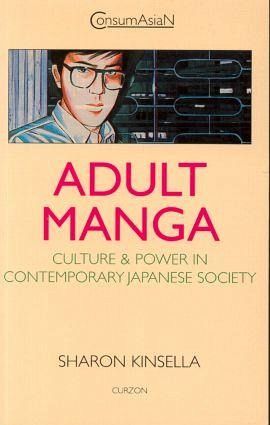

First detailed analysis of the phenomenon in English. Describes and analyses the complex new attitudes to manga since the 1980s. Provocative and timely, the book shows how manga's status in Japanese society is intimately linked to changes in the balance of power between artists and editors.
Introduction Chapter 1 A Short History of Manga Chapter 2 The Manga Production Cycle Chapter 3 Adult Manga and the Regeneration of National Culture Chapter 4 Amateur Manga Subculture and the OtakuPanic Chapter 5 The Movement Against Manga Chapter 6 Creative Editors and Unusable Artists Chapter 7 Conclusion: The Source of Intellectual Power in a Late Twentieth-Century Society
Rezensionen
'an analysis of the rise and fall of the mammoth manga industry since the 1960s and a study of the changing attitudes about manga.' - Japan Quarterly
Es gelten unsere Allgemeinen Geschäftsbedingungen: www.buecher.de/agb
Impressum
www.buecher.de ist ein Internetauftritt der buecher.de internetstores GmbH
Geschäftsführung: Monica Sawhney | Roland Kölbl | Günter Hilger
Sitz der Gesellschaft: Batheyer Straße 115 - 117, 58099 Hagen
Postanschrift: Bürgermeister-Wegele-Str. 12, 86167 Augsburg
Amtsgericht Hagen HRB 13257
Steuernummer: 321/5800/1497
USt-IdNr: DE450055826